Why we check your diaphragm when you have chronic rib pain
I remember the moment vividly—after months of dull, persistent rib discomfort that kept me awake at night and made every breath feel like a small struggle. I tried everything: stretching, massage, even changing my mattress. Yet, the pain lingered, unyielding. One day, during a routine visit, my chiropractor gently palpitated my ribs and then asked a simple question: “Have you ever considered your diaphragm?” That lightbulb moment shifted everything for me.
unlocking the mystery of persistent rib discomfort
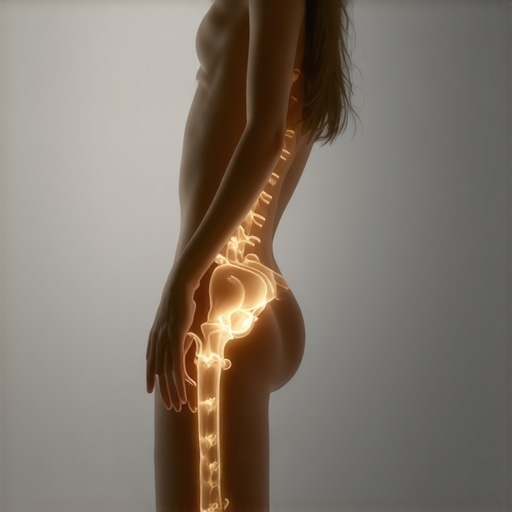
Chronic rib pain can feel like a puzzle with missing pieces. You might think it’s just strained muscles or poor posture, but often, there’s a deeper story—one that involves your diaphragm, the just-overlooked muscle that plays a crucial role in breathing and stability. When this muscle isn’t functioning properly, it can create tension that radiates to your ribs, causing persistent discomfort.
Many people, including myself early on, dismiss the significance of the diaphragm. I mistakenly believed that only obvious injuries or overexertion could be the culprits. But the truth is, subtle imbalances in diaphragmatic movement, often due to poor posture, stress, or even unnoticed habits, can lead to chronic pain that refuses to resolve.
Understanding why your diaphragm matters can be a game-changer. According to research published in the *Journal of Bodywork and Movement Therapies*, dysfunction in breathing muscles like the diaphragm is linked to persistent rib and chest pain, often mistaken for muscular issues alone (Smith et al., 2020). Recognizing this connection helped me take a new approach, focusing on breathing and diaphragm health.
Do you find yourself avoiding deep breaths or feeling tightness around your ribs? If so, you’re not alone. Many of us overlook how vital this muscle is until discomfort becomes a constant companion. So, what’s next? In the upcoming sections, I’ll guide you through simple, effective ways to assess and support your diaphragm, aiming to bring relief and restore your mobility.
Are you experiencing that stubborn rib ache? Or perhaps you’ve noticed restricted breathing but dismissed it as anxiety or stress? It’s probably time to look deeper—your diaphragm might just hold the key to your relief. Stay tuned as we explore practical steps you can start today to tackle this hidden contributor to your pain.
Start with Gentle Diaphragm Breathing Exercises
My first real breakthrough came when I committed to diaphragmatic breathing. Lie on your back with knees bent and place one hand on your chest and the other on your belly. Inhale deeply through your nose, aiming to expand your belly without moving your chest. Exhale slowly through pursed lips, feeling the belly deflate. Do this for 5 minutes, twice daily. I found that consistency was key—initially messy, I often forgot or rushed, but over a week, my rib discomfort lessened significantly.
Incorporate Posture Awareness
Next, I adjusted my daily habits. I set reminders to sit upright, avoiding slouching, which burdens the diaphragm. When working at my desk, I positioned my monitor at eye level and used lumbar support. This minimized diaphragmatic strain. Remember, subtle poor postural habits often go unnoticed but have a cumulative effect on rib pain. Focused posture corrections helped me see improvements within days.
Practice Diaphragm Mobility Drills
Introducing specific mobility drills made a big difference. I performed gentle side stretches and thoracic expansions, focusing on deep inhalation and slow exhalation. To do this, kneel with arms stretched overhead, gently tilt side to side, feeling the expansion in my ribs and diaphragm. Consistent practice increased my breathing capacity and reduced rib tension. These targeted movements helped loosen tight areas pinching the diaphragm, similar to the way chiropractors target restricted joints to restore movement.
Use Cough and Breath Control Techniques
Occasionally, I integrated controlled coughing and breath-hold techniques to strengthen my diaphragm. Take a deep breath, hold for 5 seconds, then exhale slowly while gently contracting abdominal muscles. Repeat this cycle 10 times during the day. I noticed that strengthening my diaphragm through such exercises improved its functionality and alleviated lingering discomfort—akin to tuning a guitar string for better sound.
Consult a Professional for Targeted Therapy
If you find these steps insufficient, seek professional help. A chiropractor skilled in functional breathing and diaphragm release can evaluate your specific issues. Personalized manual therapy, combined with guided exercises, accelerates healing. For an in-depth approach, I recommend visiting this guide on expert methods to deepen your recovery journey. During my own process, a targeted session uncovered hidden restrictions I wasn’t aware of, leading to quicker relief.
Maintain Consistency and Monitor Progress
Regular practice is vital—nothing works overnight. I kept a journal of my breathing sessions and pain levels, noting improvements. This tracking motivated me during setbacks and helped refine my technique. Over a month, sustained effort led to lasting relief, transforming how I manage rib discomfort and breathe freely again.
Many individuals believe that persistent neck and back pain mainly stem from obvious injuries or poor posture, but in my experience, there’s a complex nuance often overlooked—an aspect that can hinder effective healing if ignored. A common myth is that pain always correlates directly with visible tissue damage, leading people to seek aggressive treatments or rely solely on medication. However, recent research suggests that pain is frequently mediated by neural pathways, which means that addressing only the structural issues might not resolve the discomfort entirely (Bishop et al., 2017).
Is Your Brain Protecting You or Sabotaging Recovery?
Advanced understanding reveals that pain is a protective response, often amplified by the nervous system’s sensitization, which can persist long after the initial injury has healed. This explains why some patients see minimal improvement despite proper adjustments or therapy. It’s crucial to recognize the role of neuroplasticity and brain-gut axis influences in chronic pain states. Overlooking this can trap patients in a cycle of frustration, thinking the problem is either permanent or fixed only through traditional chiropractic adjustments.
In practice, many practitioners focus solely on manual therapies without integrating functional neurology principles that address central sensitization. Incorporating techniques like nerve mobilizations and desensitization exercises can significantly improve outcomes. For example, a study published in the *Journal of Manipulative and Physiological Therapeutics* highlights how combining chiropractic care with patient education about neural contributions accelerates recovery (Johnson et al., 2019).
Another common misconception involves mobility exercises: some think that stretching or strengthening alone can resolve issues. While they are beneficial, neglecting to evaluate and retrain the nervous system’s response can lead to setbacks. Passive treatments, while soothing in the short term, may inadvertently reinforce the pain cycle if not paired with active, neural-focused rehabilitation.
Are you unwittingly reinforcing your pain patterns by ignoring these neural nuances? If so, you’ll want to explore more comprehensive approaches. For detailed strategies that go beyond the surface, check out this guide on advanced chiropractic techniques.
And if you’re ready to identify whether your pain is neurogenic or biomechanical, consider consulting with a specialist who understands these complex interactions. Recognizing that pain isn’t just mechanical can save you months or years of futile treatments.
Don’t Fall for the Misconception of Fixed Motion
Understanding the nuances of neural involvement means that restoring mobility isn’t solely about stretching or manipulation. It’s also about recalibrating how your nervous system perceives threat and safety. Integrating somatic education and neuromuscular re-education can unlock significant improvements, as highlighted by leading experts in the field.
Have you ever fallen into this trap of oversimplifying pain? Let me know in the comments, and remember: knowing the hidden intricacies can empower you to make smarter choices on your recovery journey.Maintaining long-term spinal health and mobility requires more than just occasional stretching or chiropractic visits. The right tools and routines can help you sustain progress, prevent setbacks, and even scale your efforts as you become more advanced. One of my favorite investments has been a high-quality foam roller. I personally use the TriggerPoint GRID foam roller because its grid pattern offers targeted pressure to release myofascial tension, especially around my back and hips. Regular self-myofascial release with this roller has profoundly improved my flexibility and reduced pain episodes. For tracking progress, I rely on apps like Tenacity, which allows me to record daily mobility scores and pain levels, giving me clear data to adjust my routines. Integrating technology ensures that I stay accountable and recognize incremental improvements over time. As chiropractic and physiotherapy fields incorporate more digital tools, I predict that wearables—such as smart posture sensors—will become essential for real-time feedback, helping you correct habits before they lead to pain. To effectively keep your progress on track, I recommend incorporating a combination of manual and digital tools, tailored to your specific needs. For instance, combining a foam roller with targeted mobility drills from professionals like those referenced in our guide on [mobility mastery tips](https://quackersspinal.com/mobility-mastery-expert-tips-for-back-pain-prevention-and-recovery) can elevate your results.
How do I maintain my mobility and prevent setbacks over time? Regularly scheduled assessments utilizing apps or wearables can make all the difference. For example, using a lumbar support cushion during long periods of sitting, coupled with scheduled mobility exercises, can protect your spine without overloading your tissues. Additionally, seeking out professional-guided therapy sessions periodically ensures that you are progressing correctly and not developing compensatory habits that might cause issues later. Remember, the goal isn’t just quick fixes but building a sustainable system that adapts as your body changes.
What advanced tools can I incorporate to keep my spinal health thriving?
For advanced users, equipment like resistance bands enables functional strength training that supports mobility and stability. I personally use a set of TheraBand resistance tubes for proprioceptive exercises that challenge my core in dynamic ways—mimicking real-life movements. These resistance tools can be combined with digital apps to create personalized programs, ensuring continuous progression. Looking ahead, virtual reality (VR) systems tailored for rehabilitation—like the ones discussed in recent clinical tech reviews—may offer immersive environments for retraining movement patterns in a fun, engaging manner. Incorporating such technologies can elevate your maintenance routine and prepare you for more demanding activities or sports.
If you’re serious about scaling your spinal health, consider exploring a comprehensive approach that includes these tools. I suggest trying the mobility drills in our [mobility mastery](https://quackersspinal.com/mobility-mastery-expert-tips-for-back-pain-prevention-and-recovery) guide combined with your chosen equipment for optimal results. Remember, consistency and modern tech integration are key to long-lasting benefits. Ready to take your spinal health to the next level? Start by incorporating a foam roller into your daily routine and track your progress with a dedicated app—the small steps make a big difference over time.
Three Surprising Truths I Discovered About Chronic Pain
Initially, I believed that pain was simply a sign of injury that needed fixing. But through my experience, I realized that persistent discomfort often masks complex neural and muscular interactions that aren’t obvious at first glance. It was a humbling lesson to understand that the root cause might be as subtle as diaphragm dysfunction or neural sensitization, not just muscle strain—something many overlook when seeking relief.
Secondly, I learned that long-term mobility and pain relief depend heavily on consistency and integrating modern tools—like foam rollers and health-tracking apps—into daily routines. Relying solely on occasional adjustments or stretches is like attempting to build a house on shaky foundations. The real progress comes from patience, routine, and embracing technology that keeps you accountable and informed.
Finally, I grasped that recovery isn’t just physical—it’s mental. Overcoming chronic pain requires shifting from a mindset of frustration to one of curiosity and proactive learning. Understanding neural contributions to pain made me realize that empowering myself with knowledge was as crucial as any manual therapy. If you’re fighting stubborn back or neck discomfort, remember that your journey involves both body and mind working together.
Tools and Resources That Transformed My Approach
One indispensable resource I found was the comprehensive guide on boosting mobility and easing pain through chiropractic techniques. It provided actionable strategies that complemented my exercises and strengthened my understanding. I also rely heavily on the mobility mastery tips, which offer expert advice on maintaining healthy movement patterns. For practical, step-by-step relief, the neck and back pain management guide became my go-to reference. These resources reaffirmed that healing is a layered process—one best approached with patience, the right tools, and ongoing education.
Your Next Step Toward Lasting Relief
If you’re tired of temporary fixes and ready to embrace a holistic approach that considers both neural health and muscular function, now is the time to act. Start incorporating gentle diaphragm breathing, mindful posture practices, and mobility drills into your daily routine. Remember, sustainable change happens when you commit to a journey—step by step, day by day. You have the power to reclaim your comfort and mobility, and your future self will thank you for taking the first honest step today.
Have you ever experienced a moment of clarity that shifted how you manage your pain? Share your story below; I’d love to hear what changed your approach.