Why we adjust the pelvis to fix neck tension
I remember the moment I realized why so many of my neck issues persisted despite countless adjustments. I was lying on the table, frustrated, when it hit me—my pelvis was the missing piece. It was a lightbulb moment that shifted everything I thought I knew about neck tension. Ever found yourself wondering why your neck aches even after visits to the chiropractor or physical therapist? You’re not alone. Many people fixate solely on the neck area, ignoring the fact that our entire spine is interconnected, and the pelvis plays a pivotal role in overall alignment.
The Hidden Connection Between Pelvis and Neck Tension
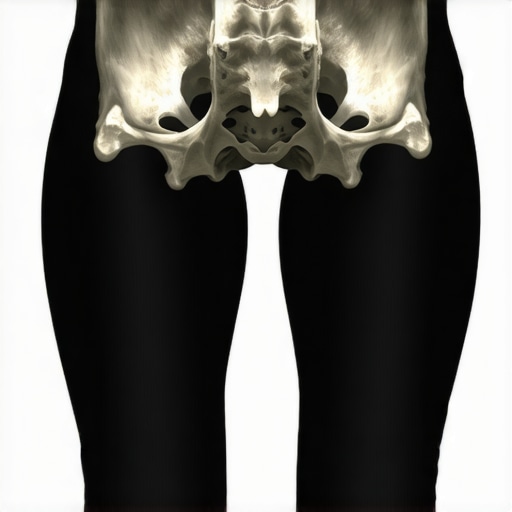
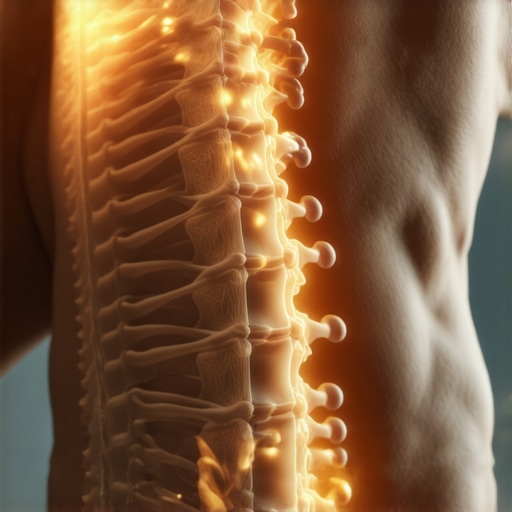
Our bodies are like a finely tuned machine; when one part falters, the rest can compensate, often in ways that cause discomfort elsewhere. The pelvis, situated at the base of your spine, acts as a foundation. If it’s misaligned, it can ripple upward, affecting your lumbar spine, thoracic region, and ultimately your neck. This cascade of tension can lead to headaches, stiff necks, and chronic pain that just won’t quit. Early in my practice, I made a mistake common among newcomers—focusing solely on neck adjustments without addressing pelvic alignment. I saw patients improve temporarily, only for their symptoms to return. It wasn’t until I started paying attention to pelvic health that I saw lasting results. To gain a deeper understanding of how pelvic adjustments influence neck tension, I recommend exploring [this insightful resource](https://quackersspinal.com/restore-your-back-mobility-proven-chiropractic-strategies). It lays out proven strategies that have transformed many patients’ mobility and comfort.
Are you currently struggling with persistent neck tension despite multiple treatments? If so, it might be time to look at your pelvis. Because when your foundation is stable, your entire spine—up to your skull—can work in harmony. That’s what we’ll explore today: how adjusting the pelvis can unlock relief in your neck and set you on a path to lasting comfort. But first, let’s address some common doubts you might have about this approach.
Start with Pelvic Assessments
First, identify if your pelvis is misaligned by observing your posture in a mirror or having a professional evaluation. Benign asymmetries can be subtle, so consider consulting a chiropractor for an accurate assessment. I once noticed a slight tilt when I looked at my stance during a routine check, which led me to my pelvis—this small asymmetry was contributing to my persistent neck tension.
Implement Targeted Pelvic Adjustments
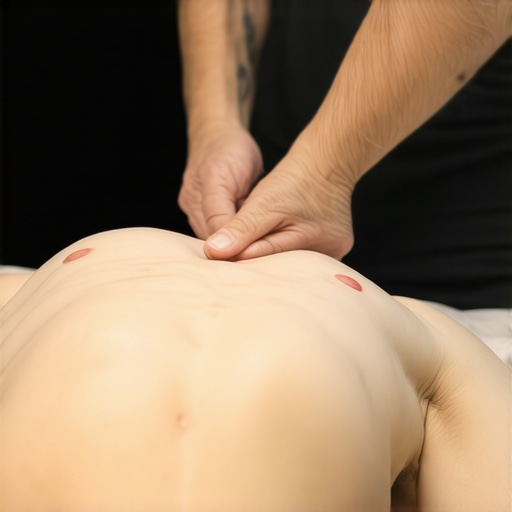
Utilize specific chiropractic techniques, such as the pelvic tilt correction or side-lying adjustments, to realign your pelvis. These adjustments create a stable foundation that reduces compensatory strain up the spine. I remember gently applying a pelvic tilt correction during a session, feeling a slight pop; afterward, I experienced immediate relief in my neck muscles, demonstrating the power of foundational adjustments.
Engage in Pelvic Stabilization Exercises
Strengthen your pelvic muscles with exercises like bridges, pelvic tilts, and core stabilization routines. These movements support proper alignment and prevent relapse. I incorporated bridges into my daily routine, which helped maintain spinal balance and further alleviated neck discomfort.
Practice Postural Awareness Throughout the Day
Be mindful of your posture during daily activities. Avoid slouching or leaning, and keep your pelvis level when standing or sitting. Using reminders or ergonomic tools, like lumbar supports, can assist in maintaining proper positioning. I set periodic alarms to remind myself to check my pelvic position, which gradually retrained my muscles for better posture.
Integrate Breathing and Relaxation Techniques
Deep diaphragmatic breathing helps reduce muscular tension and promotes better pelvis and spine alignment. This holistic approach complements physical adjustments, enhancing overall relief. I started practicing mindful breathing, noticing how it eased tension not only in my abdomen but also in my neck.
Stay Consistent and Seek Professional Guidance
Consistency in performing these steps ensures lasting results. Regular check-ins with a chiropractor can help monitor your progress and make necessary adjustments. Remember, correcting pelvic alignment is a process, not a quick fix. I learned this after several weeks of dedicated work, seeing my neck pain diminish significantly. By treating your pelvis as the foundation, you set the stage for a healthier, pain-free neck. For more insights on holistic back and neck health strategies, explore Proven Chiropractic Strategies.Many assume that chiropractic care is a simple fix—a quick adjustment that will instantly restore perfect posture and pain-free movement. However, this misconception overlooks the intricate nuances involved in true spinal health. One common myth is that chiropractic adjustments alone can resolve long-standing mobility issues. While adjustments can be powerful, they are most effective when combined with targeted exercises and lifestyle changes tailored to individual needs. For example, a study published in the Journal of Manipulative and Physiological Therapeutics highlights that integrated approaches yield better long-term results than adjustments alone. Relying solely on popping joints back into place without addressing underlying muscular imbalances or postural habits often leads to temporary relief, not lasting recovery.
Why does this myth persist among well-meaning practitioners and patients alike? The answer lies in our desire for quick fixes and the superficial understanding of spinal health. It’s tempting to believe that a single adjustment can solve all discomforts, but true mobility mastery involves a nuanced combination of assessment, correction, and proactive maintenance.
Another trap many fall into is neglecting the importance of the pelvis as a foundational element. Some practitioners focus disproportionately on the cervical or lumbar regions, assuming that the neck or lower back are isolated issues. However, as we’ve discussed earlier, the pelvis serves as the body’s foundation—misalignments here can cascade upward, sabotaging any efforts to improve neck or back pain.
Furthermore, there’s a misconception that stretching is always beneficial. In reality, overstretching a tight muscle without addressing its root causes can exacerbate imbalances. For instance, aggressively stretching the hamstrings without strengthening reciprocal muscles may lead to compensatory patterns that worsen mobility problems. Recognizing these advanced nuances requires a combination of keen assessment skills and a comprehensive understanding of biomechanics. For those interested in a holistic perspective, I recommend exploring detailed strategies that emphasize the interconnectedness of the spine and pelvis, such as in our proven chiropractic strategies.
Being aware of these subtleties can help you avoid common pitfalls and make more informed decisions about your health journey. Remember, genuine progress in mobility often hinges on embracing complexity and adopting a multi-faceted approach. Don’t fall for the oversimplification of spinal health—your body’s interconnected system deserves tailored attention.
Have you ever fallen into this trap? Let me know in the comments.
Related read: For advanced insights into restoring full mobility after injury, check out our comprehensive guide on chiropractic secrets to regain full mobility. For practical methods to refine your movement habits, explore expert tips for lasting neck pain relief.Once you’ve begun to see improvements in your mobility and pain relief, the next challenge is keeping those benefits over time. Consistent maintenance is key, and having the right tools and methods can make this process smoother and more effective. Personally, I rely heavily on specific equipment that has proven invaluable in my routine and for my patients. For example, I use the foam roller diligently to release my back muscles after workouts; it’s a game-changer for preventing muscle tightness that could reintroduce pain. The model I prefer is the TriggerPoint GRID Foam Roller, known for its durability and density, which allows for deep tissue massage without wearing out quickly. Additionally, I incorporate a quality posture corrector like the Upright GO 2, which provides real-time feedback and helps me maintain proper alignment throughout the day, especially during long periods at the desk. This device is a personal favorite because it actively trains your postural muscles, fostering lasting habits.
What I Wish I Knew About the Power of Pelvic Alignment
One of the most profound lessons was realizing that addressing the pelvis isn’t just an accessory step—it’s the foundation of true recovery. Focusing solely on the neck may seem intuitive, but neglecting the pelvis often results in recurring issues. Embracing this holistic perspective revolutionized my approach and that of my patients, leading to sustainable relief.
Secondly, I learned that patience and consistency are paramount. Realigning the pelvis and maintaining that correction demand dedication—short-term fixes rarely endure. Building habits around targeted exercises and postural awareness creates a resilient spine that moves better and hurts less over time.
Finally, I discovered the importance of listening to my body’s subtle cues. Small asymmetries or tension patterns often hint at deeper misalignments. Tuning into these signals allows for early intervention, preventing chronic problems from taking hold.
Tools That Empower My Mobility Practice
Among the resources I trust, the proven chiropractic strategies link stands out as an essential guide for holistic back health. It offers practical, science-backed techniques that complement professional care.
In addition, I rely on a high-quality foam roller like the TriggerPoint GRID Foam Roller. Its durability allows me to release muscle tightness effectively, preventing setbacks. For posture training, tools like the Upright GO 2 help me develop awareness and reinforce healthy habits throughout the day.
Books such as Good Posture, Great Life by Dr. Susan Bloom have expanded my understanding of how everyday habits influence spinal health, empowering my patients to take control beyond the clinic.
Keep Moving Forward with Confidence
Remember, your journey toward lasting relief is a testament to your commitment. Embrace the process, leverage effective tools, and prioritize foundational health—your body will thank you. Small, consistent actions today lay the groundwork for a more connected, pain-free tomorrow.
How have pelvic adjustments transformed your neck or back pain experience? Share your story below—I’d love to hear your progress and insights!