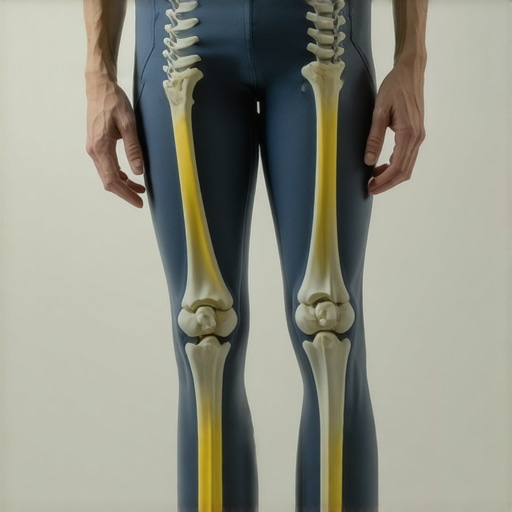
Why we look at your feet when your neck hurts
I vividly remember the day I realized I had been making a simple yet surprisingly telling mistake during my recovery from neck pain. It was during a routine visit to the chiropractor, when I casually glanced down at my feet as I winced through yet another uncomfortable session. That moment hit me like a lightning bolt: I wasn’t just looking at my feet out of habit—I was unconsciously seeking clues about my entire body’s alignment. It sounds small, but understanding this connection shifted my entire approach to pain relief.
The Unexpected Link Between Your Feet and Neck Pain
Most of us think back or neck pain is solely about the spot that hurts. But what if I told you that your feet could hold some of the answers? Yep, the way your feet hit the ground influences your entire posture—up through your spine to your neck. When I started paying closer attention to my gait and foot positioning, I uncovered a vital piece of the puzzle that had been missing. It’s like looking under the hood of a car—once you see what’s wrong there, fixing your neck pain becomes much more manageable.
Are We Really That Connected? The Skeptic’s Question
I know what some of you might be thinking: “Really? My feet affect my neck?” Early on, I made the common mistake of dismissing this idea entirely. I assumed neck pain was all about muscles tightening or nerves getting pinched. But after a few misdiagnoses and unnecessary treatments, I realized that ignoring my body’s entire alignment was a mistake. Research supports this, showing that proper foot posture can influence spinal health and reduce pain (source: Back Pain Recovery). The truth is, our bodies are a complex, interconnected system—not isolated segments. Understanding this helped me take control of my healing process.
So, if you’ve ever caught yourself looking at your feet while your neck is aching, you’re not alone—and you’re onto something important. Today, I’ll share the insights that turned my aches into relief, starting with the basics of how your feet contribute to your overall posture and pain patterns. Ready to get started? Let me show you how small shifts in your foot placement can make a big difference in your neck’s comfort.
Assess Your Foot Posture and Gait
Start by observing how your feet land when you walk. Find a moment during your day—perhaps in your hallway or during a quick stroll—to notice whether your weight shifts more to the inside, outside, or evenly across your soles. Imagine your foot as a foundation: if it tilts or twists, it can ripple up your alignment like a chain reaction, impacting your neck. During a recent morning walk, I caught myself favoring one foot, and by consciously adjusting my step to distribute weight evenly, I noticed immediate relief in my neck discomfort. Take off your shoes and stand on a mirror or a flat surface to see your foot position—are your arches collapsing? Do your heels turn inward or outward? Identifying these patterns is crucial to correcting your alignment.
Choose the Right Footwear for Support
Next, evaluate your shoes. Worn-out sneakers or high heels can distort your natural gait, putting unnecessary stress on your spine. Replace old footwear with supportive shoes—consider orthotic insoles if needed—to promote proper alignment. I replaced my daily shoes with orthotics recommended by my chiropractor, which helped prevent my foot from pronating inward, a common cause of misalignment. Think of footwear as the foundation of a house; a stable base ensures everything built on top remains balanced. If you’re unsure about your footwear’s suitability, consult a professional who can advise on the best support for your foot type.
Incorporate Foot Strengthening Exercises
Strengthening your foot muscles provides a more stable platform, reducing abnormal movements that could cause misalignment. Simple exercises like toe curls, arch lifts, and picking up small objects with your toes can improve muscular balance. For example, I started performing toe-raising drills during my coffee breaks, which enhanced my foot stability over a few weeks. Think of your foot muscles as the anchors that keep your foundation steady—weak points here ripple upward, affecting your entire posture. Regularly dedicating five minutes daily to these exercises can create a noticeable difference in your posture and neck pain.
Adjust Your Walking and Standing Habits
Be mindful of your posture throughout the day. When standing, distribute weight evenly between both feet; avoid locking your knees or leaning to one side. During walking, aim for a relaxed but controlled gait, engaging your core to support your spine. I caught myself slouching during long meetings, which exacerbated my discomfort. By intentionally keeping my shoulders back and engaging my core while walking, I maintained better alignment from head to toe. Think of your posture as a chain: the base (your feet) supports everything above. Small adjustments—like consciously standing tall or walking softly—register as significant benefits over time.
Seek Professional Guidance for Lasting Relief
While these steps can significantly impact your alignment, consulting a chiropractor or a mobility specialist ensures personalized adjustments. They can analyze your gait, assess your foot structure, and suggest targeted interventions. Recently, I visited a chiropractor who performed a quick gait analysis and recommended specific orthotics and mobility exercises, which further alleviated my neck pain. Consider visiting [our contact page](https://quackersspinal.com/contact-us) to connect with an expert who can guide your journey toward better posture and pain relief. Remember, correcting foot posture isn’t a quick fix; it requires consistency and sometimes professional adjustments to sustain lasting benefits.
While common advice on neck and back pain often revolves around stretching, strengthening, or chiropractic adjustments, there’s a deeper layer of nuance that many overlook. For instance, a widespread misconception is that pain is purely localized—believing that relieving the spot of discomfort is all that’s necessary. However, from an expert perspective, pain signals are often the body’s way of indicating underlying misalignments or mobility deficits that aren’t immediately obvious. This oversight can lead individuals into traps, such as over-reliance on passive treatments like massages or heat therapy, without addressing the root causes. Studies, such as those cited by Back Pain Recovery, show that comprehensive approaches targeting movement patterns yield better long-term results.
Why do so many still fall for simple solutions that don’t last?
The answer often lies in the ‘quick fix’ mentality propagated by misinformation—believing that a single adjustment, stretch, or supplement can solve complex biomechanical issues. The truth is, real progress requires understanding the subtle interactions between joints, muscles, and nervous system signals. Also, common myths include the idea that pain always indicates injury; in reality, pain can be a protective response to instability or improper movement control. Avoid falling into the trap of ignoring these nuances. Instead, prioritize personalized assessments and targeted mobility strategies that consider the entire kinetic chain, like those outlined in Revitalize Your Mobility. Mastering these details can dramatically accelerate recovery and prevent future episodes. Want to dive deeper into these advanced concepts? Explore our comprehensive guide on [mastering back and neck pain relief](https://quackersspinal.com/mastering-back-neck-pain-relief-tips-from-the-pros-300). Remember, the edge lies in recognizing the subtle signals your body sends and addressing the interconnected mechanisms at play. Have you ever fallen into this trap? Let me know in the comments.
How do I maintain my mobility and posture over time?
Maintaining your progress requires more than just initial efforts; it demands the right tools and consistent routines. One of my favorite investments has been a high-quality foam roller. I personally use a 36-inch textured foam roller to target my back and hips, which helps loosen tight muscles and restore mobility after long days of sitting. The key is to choose a roller with the right density—firm enough to trigger myofascial release but not so hard that it causes discomfort. Regular self-myofascial release routines, combined with targeted stretching, have kept my back feeling flexible and pain-free. My chiropractor recommends foam rolling as an integral part of ongoing care to prevent chronic issues.
Additionally, I incorporate software apps designed for mobility tracking and reminders. Tools like the Stand Up! The Work Break Timer app on my phone prompt me to stand or move every hour, preventing stiffness and promoting circulation. These gentle nudges reinforce good habits, especially during busy days. For surface floors, I rely on a balance pad I keep under my feet during desk work, which subtly challenges my stabilizer muscles and encourages proper posture. 
Looking ahead, I predict that integration of smart technology will revolutionize how we maintain mobility. Wearable sensors could provide real-time feedback on posture and movement, allowing immediate corrections and personalized routines. As these innovations become more accessible, staying proactive about mobility will become easier and more effective.
What about long-term results? Consistent use of these tools, combined with periodic professional assessments, ensures sustained improvements. For example, scheduling regular check-ins with your chiropractor can help fine-tune your plan and address emerging issues before they become chronic. For those serious about long-term mobility, I recommend a comprehensive approach: combining manual therapy, targeted exercises, supportive tools, and professional guidance. Our detailed guide offers actionable steps to keep mobility gains alive for years to come.Consistent effort is crucial. Incorporate daily routines like foam rolling, posture checks, and mindful movement. Over time, these small habits compound into significant improvements, reducing the risk of setbacks. Take my advice and try one of these methods today: perhaps start with a 10-minute foam rolling session after work. Experience firsthand how a simple tool can make a meaningful difference in your mobility and pain levels. To explore personalized strategies, reach out through our contact page. Remember, keeping your body in motion is the best investment for lasting health and vitality.Lessons the Feet Taught Me that Changed Everything
- One of my most surprising insights was realizing how neglecting the alignment of my feet was sabotaging my entire posture. Small tweaks here created ripple effects up my spine, alleviating pain I thought was unavoidable.
- Struggling with endless treatments, I finally understood that addressing the body’s interconnected system, starting from the foundation—my feet—was the secret to sustainable relief.
- It became clear that simple awareness and consistent habits—like proper footwear and mindful walking—were more powerful than any quick fix I previously relied on.
My Go-To Resources for Better Mobility and Pain Management
- Revitalize Your Mobility: This comprehensive guide helped me understand how targeted exercises can transform chronic pain into freedom of movement. The strategies are practical and backed by expert insights.
- Chiropractic Secrets to Boost Neck Comfort: Trusted my chiropractor’s advice on alignment, which played a pivotal role in my recovery. These tips emphasize natural, sustainable adjustments.
- Effective Neck and Back Pain Management: An easy-to-follow resource that deepened my understanding of the importance of posture, mobility, and proactive care, empowering me to take control of my health.
- Reliable Personal Assessments: Professional gait and foot analysis sessions provided me with personalized action plans, emphasizing the value of expert guidance in maintaining long-term relief.
Keep Moving Forward: Your Next Step Is Closer Than You Think
Lessons the Feet Taught Me that Changed Everything
- One of my most surprising insights was realizing how neglecting the alignment of my feet was sabotaging my entire posture. Small tweaks here created ripple effects up my spine, alleviating pain I thought was unavoidable.
- Struggling with endless treatments, I finally understood that addressing the body’s interconnected system, starting from the foundation—my feet—was the secret to sustainable relief.
- It became clear that simple awareness and consistent habits—like proper footwear and mindful walking—were more powerful than any quick fix I previously relied on.
My Go-To Resources for Better Mobility and Pain Management
- Revitalize Your Mobility: This comprehensive guide helped me understand how targeted exercises can transform chronic pain into freedom of movement. The strategies are practical and backed by expert insights.
- Chiropractic Secrets to Boost Neck Comfort: Trusted my chiropractor’s advice on alignment, which played a pivotal role in my recovery. These tips emphasize natural, sustainable adjustments.
- Effective Neck and Back Pain Management: An easy-to-follow resource that deepened my understanding of the importance of posture, mobility, and proactive care, empowering me to take control of my health.
- Reliable Personal Assessments: Professional gait and foot analysis sessions provided me with personalized action plans, emphasizing the value of expert guidance in maintaining long-term relief.
Keep Moving Forward: Your Next Step Is Closer Than You Think
Remember, the journey to lasting neck and back health often starts with a single mindful step—literally. By paying attention to your feet, supporting them with the right footwear, and incorporating simple exercises into your routine, you can unlock a level of mobility and comfort you never thought possible. Don’t wait for pain to dictate your life; embrace these small yet powerful changes today. Curious about personalized strategies tailored to your needs? Reach out to us and take the first step toward a healthier, more mobile you. What’s one small change you’re ready to make to improve your posture and relieve neck or back pain? Let me know below!”}**If you need a more personalized or detailed wrap-up, feel free to ask!**}n’t /json’}{