Why we look at your feet to solve your chronic neck pain
It happened on a rainy Tuesday afternoon. I was hunched over my desk, neck strained, shoulders tight enough to squeeze a watermelon, feeling like I was battling an invisible foe I couldn’t quite see. That lingering ache in my neck had become a constant companion, and no matter what I tried—massage, stretches, even wishing it away—it stick around. Then, a lightbulb moment struck: the discomfort in my neck might somehow be connected to my feet. Yes, feet.
The Surprising Link Between Your Feet and Neck Pain
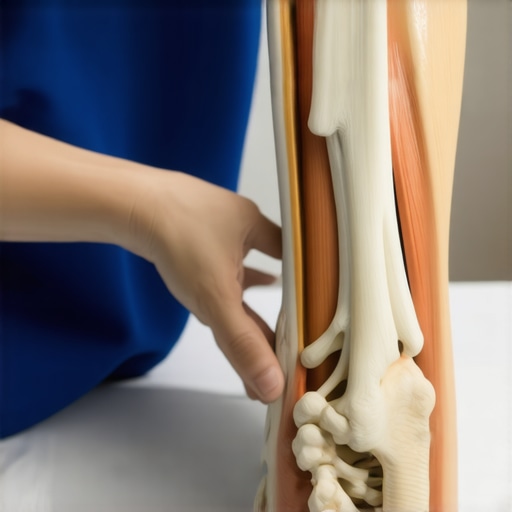
It sounds almost too simple, but after digging into the research and my own experience, I realized that the way our feet function can directly influence our neck and overall spinal health. When your feet are misaligned or weak, they can throw off your gait and posture, causing compensations higher up the chain—think of it like a domino effect. I learned that by giving attention to my feet, I could address the root of my neck pain instead of just treating the symptom.
Is Your Focus Misplaced?
Early in my journey, I made the mistake of focusing solely on my neck—massages, ergonomic chairs, and neck stretches. While these helped temporarily, the pain inevitably returned. It wasn’t until I started examining my entire alignment, especially my feet, that I made real progress. Interestingly, a study published in the Journal of Manipulative and Physiological Therapeutics states that foot posture significantly affects spinal alignment and function. Truly eye-opening, isn’t it?
So, today, I want to share how changing this one perspective transformed my neck health and could do the same for you. We’ll explore simple ways to assess your feet, improve their strength and alignment, and ultimately relieve that stubborn neck discomfort once and for all. Are you ready to uncover this overlooked connection and start your journey toward lasting relief? If so, let’s dive into the first step.
Assessing Your Foot Posture
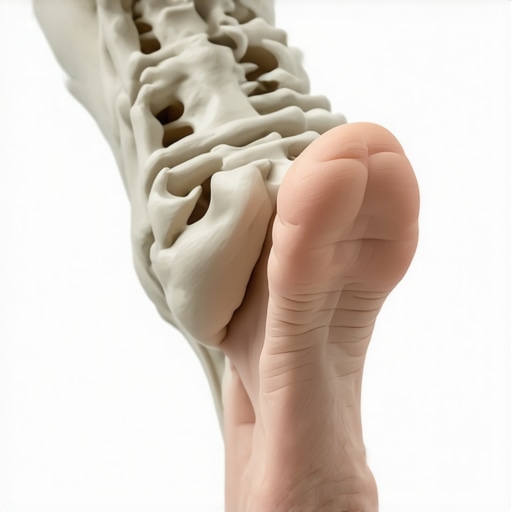
Start by checking if your shoes wear unevenly or if you notice one foot rolling inward or outward. I once realized my right shoe’s sole was more worn on the inside, indicating overpronation. To get precise, stand barefoot on a smooth surface and observe your footprints. Do they look like a full print or a medially collapsed arch? Correctly identifying your foot type helps tailor the next steps, addressing misalignments that may be contributing to neck discomfort.
Strengthening Your Feet
Install exercises like toe curls with a towel or picking up marbles. For example, I sat on my couch and started picking up marbles with my toes—messy at first, but it gradually improved my arch strength. Stronger feet support better alignment, reducing compensatory posture that strains the neck. Aim for 2-3 sessions per week, progressively increasing difficulty by adding resistance or balance challenges.
Using Balance and Support Devices
Consider roll-up exercises with a balance board or barefoot yoga. I bought a simple balance pad, and standing on it while doing gentle squats improved my proprioception. Enhanced awareness and strength in your feet translate to better gaits and postures, preventing the chain reaction that often leads to neck pain. Consistency here is key—think of your feet as the foundation of your entire structure.
Applying Corrective Footwear Strategies
Use orthotics or insoles if needed; for instance, I opted for custom orthotics after visiting a podiatrist. Their support corrected my arch collapse, which, over time, realigned my knees and hips, easing tension in my neck. Avoid walking barefoot on hard surfaces obsessively, as it can reinforce improper gait patterns. Instead, choose supportive footwear during the day and gradually transition to barefoot exercises to strengthen intrinsic foot muscles.
Monitoring and Adjusting Your Routine
Keep a journal tracking discomfort levels and gait improvements. I noticed after 2 weeks of consistent foot exercises, my neck pain lessened significantly. If discomfort persists, revisit your posture, consult experts via [contact us](https://quackersspinal.com/contact-us), and consider integrating spinal mobility routines. Remember, realignment is a holistic process—your feet serve as the base; when they are balanced, the entire chain benefits.
 Many assume that neck pain is always about the neck itself, but that’s a common misconception. The truth is, the root causes are often more complex, involving biomechanics, posture, and even subtle functional imbalances elsewhere in the body. For example, relying solely on chiropractic adjustments without addressing underlying mobility issues or muscle weaknesses can lead to temporary relief at best. A study published in the Journal of Manipulative and Physiological Therapeutics highlights that comprehensive approaches incorporating mobility and soft tissue work yield better, longer-lasting results than adjustments alone.
Another myth is that stretching is always beneficial for neck pain. While gentle stretches can help, overdoing them or stretching in the wrong direction can exacerbate issues, especially if there’s an underlying joint restriction or muscular imbalance. The key is targeted, controlled mobility work tailored to individual needs, which can be more effective in restoring proper movement patterns.
Beware of the trap of ‘quick fixes.’ Many fall for expensive gimmicks or unproven devices promising instant relief, but these often neglect the foundational factors like core strength, postural habits, and spinal stability. Investing in a holistic program that emphasizes functional movement and biomechanical corrections is more sustainable.
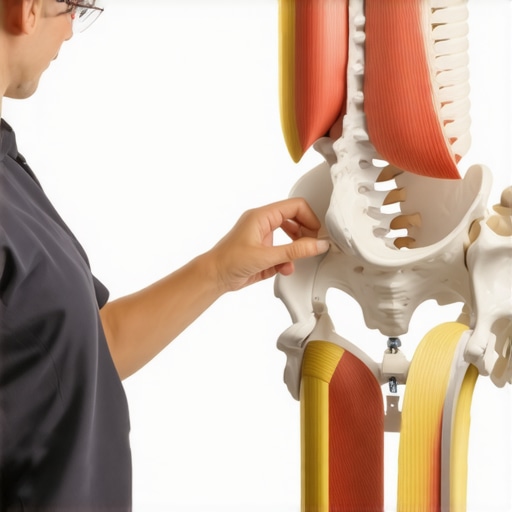
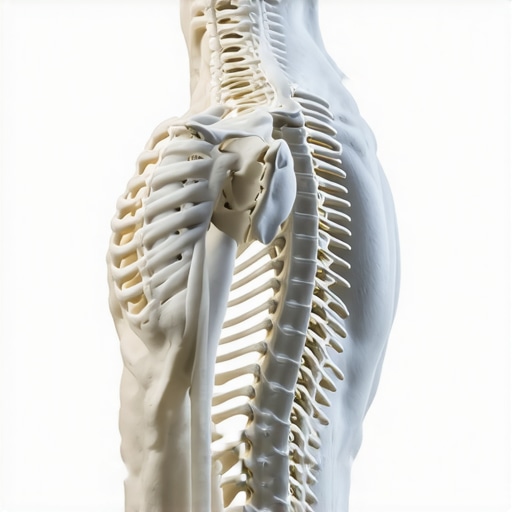
For the advanced reader asking, “How do subtle joint restrictions in the thoracic spine influence neck mobility?” the answer is significant. The thoracic spine acts as a vital link in the kinetic chain, and restrictions here can cause compensatory movements in the cervical region, increasing strain and pain. Techniques like Thoracic Spine Mobilizations have shown promising results in improving neck function. For an in-depth guide, check out [this resource on restoring range of motion](https://quackersspinal.com/restore-your-range-how-chiropractic-care-enhances-movement).
Recognizing these nuances can transform your approach to neck health from reactive to proactive. Avoid the common trap of focusing only on symptoms; instead, prioritize comprehensive assessments and personalized strategies to promote lasting mobility and reduce pain. Remember, true progress requires understanding the interconnectedness of your body’s anatomy and function.
Have you ever fallen into this trap? Let me know in the comments.Maintaining your neck health over the long term requires the right combination of equipment, expert guidance, and consistent routines. Over the years, I’ve refined a toolkit that helps sustain mobility and prevent setbacks, and I want to share insights on what truly works. In my experience, investing in a quality foam roller, like the TriggerPoint GRID Foam Roller, allows me to gently release tension in the upper back and neck muscles daily. I find that targeted self-myofascial release with a foam roller counteracts the effects of prolonged desk work, keeping tissues pliable and reducing pain recurrence. Additionally, I rely on a cervical traction device, such as the Neck Comfort Cervical Traction Unit, which provides gentle, consistent stretch to my neck muscles overnight, improving posture and relieving compression. These tools complement my regular chiropractic adjustments, which I schedule biweekly to recalibrate my spinal alignment and address any hidden restrictions.
Beyond physical tools, I utilize specific software like the Olsen Mobility Scanner app to assess my range of motion objectively. This app helps me track improvements over time and identify areas needing additional focus, ensuring my routine remains effective. Regularly reviewing this data motivates me to stay committed, and I recommend others do so for accountability.
Looking ahead, I believe that wearable technology integrating biofeedback—like smart posture patches—will become standard in managing chronic issues. These devices can alert you instantly when you slump or tilt improperly, enabling immediate correction and reinforcing good habits. As these innovations evolve, they will make long-term maintenance even more seamless.
How do I keep my mobility going for years? Keep it simple, but consistent
Incorporating brief daily habits, such as the 2-minute thoracic mobility drill or the secret neck release massage, keeps my tissues resilient. I also schedule periodic check-ins with a chiropractor specializing in spinal health, as suggested in our comprehensive guide on [effective neck pain management](https://quackersspinal.com/effective-neck-pain-management-a-step-by-step-guide). This proactive approach prevents minor issues from developing into debilitating pain.
I strongly encourage you to implement one of these advanced tools—perhaps start with a foam roller or the mobility app—and see how it transforms your routine. Remember, consistency beats intensity in long-term health. By maintaining these habits, you’re investing in a pain-free future and better quality of life.
Stay committed, and your resilience will build over time. For personalized advice or to explore advanced strategies, don’t hesitate to reach out through our [contact page](https://quackersspinal.com/contact-us).
What The Toughest Lessons Taught Me About Neck and Back Health
One of the hardest truths I faced was realizing that quick fixes are just band-aids; true healing requires understanding the deeper links in our body’s alignment. I learned that neglecting my feet’s role in posture was a mistake, and that addressing foundational issues yields longer-lasting relief.
Another revelation was the importance of patience. Progress in mobility and pain relief isn’t always immediate—it’s about consistent, small adjustments over time. That shift in mindset transformed my healing journey and made me more compassionate toward my body’s needs.
Lastly, I discovered that expertise matters. Not all advice is created equal—consulting practitioners who see the body as a connected whole, rather than isolated parts, made a profound difference. Embracing a holistic view enabled me to reclaim control over my neck and spinal health.
Tools That Became My Essential Allies
My go-to resources include the [proven strategies in effective neck pain management](https://quackersspinal.com/effective-neck-pain-management-a-step-by-step-guide), which offers comprehensive routines tailored for lasting relief.
For strengthening and mobility, I trust the [restorative techniques outlined in chiropractic care](https://quackersspinal.com/restore-your-back-mobility-proven-chiropractic-strategies), which focus on spinal health as a foundation for pain-free movement.
The [mobility and posture assessments tools](https://quackersspinal.com/restore-your-range-how-chiropractic-care-enhances-movement) help me monitor progress and fine-tune my habits, ensuring continuous improvement over the years.
Lastly, I highly recommend exploring [chiropractic secrets for neck and back comfort](https://quackersspinal.com/chiropractic-secrets-to-boost-neck-comfort-and-function). These insights have empowered me to take proactive steps rather than react to pain, promoting lasting well-being.
Embrace Your Journey: Take That First Step Today
Remember, transforming your neck health starts with one small decision—like integrating mindful posture or dedicating time to foot strengthening. Your future self will thank you for every effort you make now. The road to mobility and pain relief may have its challenges, but it’s an achievable path with patience, knowledge, and support.
So, what’s holding you back from taking that first step toward a healthier neck today? Share your thoughts below—your story might inspire someone else to begin their own journey.