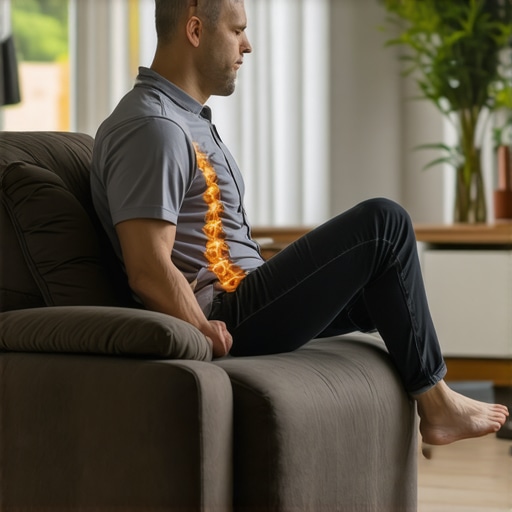
How to sit on an airplane to avoid a back flare-up
Ever been mid-flight, feeling that dull, nagging ache creeping into your lower back, and thought, There has to be a better way? I used to dismiss those discomforts, chalking them up to long hours in a cramped seat. But one trip changed everything for me—an excruciating back flare-up that sidelined me for days. It was a lightbulb moment: the way I was sitting and supporting my body on airplanes was doing more harm than I realized.
How I Learned to Outsmart Back Pain During Flights
After that painful episode, I knew I had to find a strategy. It wasn’t just about choosing the right seat; it was about mastering the art of sitting during a flight. I dove into personal trial-and-error, reading expert tips, and consulting with chiropractors. The good news? With a few simple adjustments and mindful positioning, I could fly comfortably and keep my back healthy. Today, I want to share what I’ve learned so you can avoid the discomfort and frustration I once faced.
Are You Falling for These Common Back-Sitting Mistakes?
One mistake I made early on was relying solely on lumbar pillows without ensuring my entire spine was aligned. I thought a cushion was enough, but it wasn’t. Proper posture isn’t just about one support; it’s about the whole setup, from the seat angle to foot placement. According to experts, ignoring overall posture can exacerbate back issues and lead to persistent pain. For more targeted advice, I recommend exploring chiropractic tips for back comfort that I found invaluable in refining my sitting techniques.
So, what exactly will we cover? I’ll walk you through practical, easy-to-follow strategies that transform your in-flight experience from discomfort to comfort—so you arrive rested and pain-free. Ready? Let’s start redefining how you sit on that plane!
,
Adjust Your Seat Strategically
When I first tried to fix my back pain on planes, I realized that seat adjustment is fundamental. I always start by lowering or raising the seat to ensure my hips are level and my knees form a 90-degree angle. This prevents my pelvis from tilting forward, which can strain the lower back. I recall once sitting too high, causing my pelvis to tilt backward, leading to numbness in my legs. Adjusting the seat height instantly took pressure off my lumbar region, highlighting the importance of seat ergonomics.
Use Support Properly
Next, I incorporate lumbar support but with a twist. Instead of just placing a cushion behind my lower back, I position it slightly higher, supporting the natural curve. It’s like giving your spine a gentle cradle. During a recent flight, I experimented with a rolled-up sweater placed between my back and the seat, which gently aligned my spine. This simple fix made a noticeable difference, reminding me that supporting the entire back—not just one area—is crucial.
Engage in Micro-Movements
Remaining still for hours worsened my stiffness. I started tiny exercises, like ankle circles and shifting my weight from side to side every 15 minutes, which kept blood flowing and muscles active. Think of your spine as a chain; movement prevents it from stiffening or locking in one position. Once, I spent an entire flight doing these small motions, and by the time I landed, my back felt considerably more relaxed. These micro-movements are your secret weapon against stiffness that feels like concrete after long periods of sitting.
Mind Your Foot Position
I’ve seen many overlook foot placement, yet my experience shows it matters. Keep your feet flat on the floor or footrest, with knees at a right angle, to avoid unnatural pelvic tilting. I once crossed my legs for comfort, but it shifted my pelvis and caused discomfort. Repositioning my feet stabilized my pelvis, which in turn supported my lower back. This analogy is like rooting a plant firmly in soil—stability below ensures support above.
Practice Gentle Stretching When Possible
In the short breaks, I stretch my neck and shoulders carefully. A simple neck tilt, like brushing my ear toward my shoulder, can relieve tension accumulated from looking at screens or reading. Remember, stretching should be gentle; force can activate nerve pain or cause muscle spasms. I’ve learned that consistent, mild stretches improve mobility and reduce the risk of pain flare-ups, especially if you’ve experienced neck or back issues before. For detailed routines, I recommend reviewing chiropractic care for mobility enhancement.
Leverage Relaxation Techniques
Deep breathing with diaphragmatic engagement helps reduce tension. During a particularly tense flight, I focused on slow inhale through my nose, hold, then exhale through pursed lips, like blowing out a candle. This calmed my nervous system, which often reacts to discomfort with muscle tightening. Incorporating such techniques transforms your sitting experience, preventing pain from becoming a chronic issue.
Prepare Before You Fly
Before the flight, engaging in core strengthening exercises, like pelvic tilts or planks, builds stability that buffers the spine from sudden jolts. I make it a point to do these routines on travel days, mimicking the benefits I learned from chiropractic strategies for back stabilization. A resilient core acts like a scaffold, supporting your back through turbulent air and prolonged sitting.
Stay Hydrated and Maintain Good Nutrition
Hydration keeps discs pliable, reducing the risk of stiffness and spasms. I carry a water bottle and sip regularly. Avoiding excessive alcohol and caffeine is equally important, as they can dehydrate you and worsen discomfort. Think of your spine’s health as a plant: water and proper nutrition are essential for its vitality and flexibility.
Many misconceptions persist about back pain, chiropractic care, and mobility that can hinder effective treatment and recovery. One common myth is that assuming more frequent adjustments will lead to faster healing. In reality, over-reliance on adjustments without addressing underlying movement patterns or postural habits can lead to diminished returns or even exacerbate issues. According to a 2018 study published in the *Journal of Manual & Physical Therapy*, integrating active movement therapies alongside chiropractic care yields better long-term outcomes than adjustments alone. This highlights the importance of comprehensive approaches rather than quick fixes. Moreover, a prevalent mistake is neglecting the nuanced role of soft tissues and fascia in pain persistence. Many assume that spinal alignment alone resolves issues, but recent research underscores how fascial restrictions can contribute significantly to chronic discomfort, which is why manual therapies like myofascial release are gaining recognition in holistic treatment plans. A common trap to avoid is solely focusing on symptom relief—such as numbness or stiffness—without addressing root causes like poor motor control, weak core stability, or lifestyle factors. This oversight leads to recurrent pain cycles. For experienced readers wondering, “How can I determine if my pain stems from fascial restrictions rather than vertebral misalignments?” the answer lies in specialized assessments and integrated therapy strategies, like those discussed in our mobility-focused guides. Recognizing these nuances enables targeted interventions, minimizes unnecessary adjustments, and promotes lasting health. Have you ever fallen into this trap? Let me know in the comments and share your experiences with misunderstood back issues. Remember, mastery over your pain involves understanding these deeper layers of the body’s interconnected systems and resisting the allure of superficial solutions.
Maintaining a healthy back requires deliberate effort and the right tools to support your mobility and posture over time. One essential device I personally rely on is a high-quality foam roller, which helps release fascial tightness and improve tissue flexibility. I prefer the LuxFit Foam Roller because its density provides effective myofascial release without being too aggressive, allowing me to target stiff areas safely. Incorporating regular foam rolling into my routine has noticeably decreased muscle knots and improved my overall mobility, especially after long periods of sitting or intense workouts.
Another pivotal tool in my arsenal is a posture-crompting wearable sensor, like the UpRight Go. This small device gently vibrates whenever I slouch, reminding me to reset my posture during daily activities. Personal experience shows it not only raises awareness but ingrains better habits, reducing neck and back pain caused by prolonged poor alignment. As research suggests, combining awareness devices with active therapeutic strategies enhances long-term results full recovery and prevention.
Moving beyond physical tools, I utilize specialized software like PureCare’s PostureScreen app, which analyzes my posture via photos to identify deviations like forward head posture or uneven shoulders. This visual feedback helps me target specific corrective exercises, such as chin tucks or scapular resets, to address my unique imbalances. Over time, tracking progress with these apps keeps me motivated and ensures I stay on course toward optimal mobility.
Looking ahead, the trend points toward smarter, AI-driven devices that not only monitor posture but suggest personalized routines based on real-time data. Imagine a future where your wearable learns your habits and adapts exercises automatically, making maintenance effortless and even more effective. Staying proactive now means investing in versatile tools that adapt to your evolving needs, ensuring your back remains resilient for years to come. For a comprehensive approach, consider integrating strategies from our mobility mastery guide.
How do I keep my back healthy long-term?
The key lies in consistency and using targeted tools that promote proper movement patterns. Regular foam rolling, posture tracking, and smart wearable devices are proven to support your efforts in maintaining mobility and reducing pain. Remember, small daily habits can prevent big issues down the line. A practical tip I recommend is setting a reminder to perform a quick mobility routine using your app or device several times a day, reinforcing good habits and preventing stiffness. Try incorporating one of these tools today — your back will thank you.
While the strategies I’ve shared can dramatically improve your in-flight comfort, the real game-changer lies in ingraining these habits into your daily routine. Consistency, patience, and a willingness to listen to your body’s signals are essential. Remember, each small step in maintaining proper posture and mobility compounds over time, leading to a resilient back that can withstand life’s stresses. Investing in your back health today prepares you for tomorrow’s adventures with less pain and more freedom of movement. Don’t underestimate the power of these minor adjustments—they are the building blocks of lasting relief and vitality.