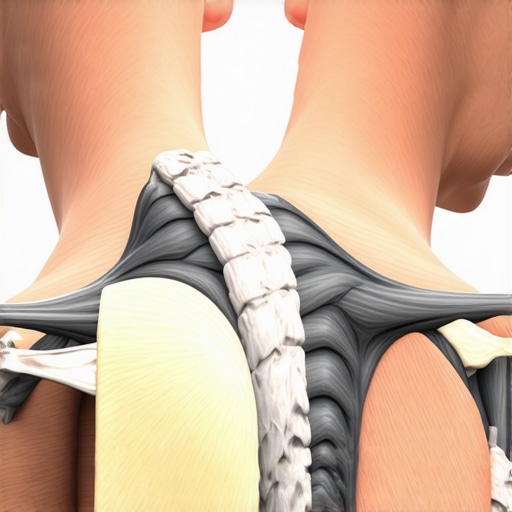
Why You Should Never Crack Your Own Neck at Your Desk
Ever been working at your desk, feeling that familiar tension in your neck, and suddenly, out of reflex, you crack it loudly, feeling instant relief? I used to do the same thing—believing that a quick self-adjustment could save me a trip to the chiropractor. But one day, I experienced a sharp pain that made me realize I was playing a dangerous game. That cracking sound, so satisfying in the moment, was masking a risky habit that could lead to bigger problems down the line.
Why Your Neck Cracks May Be More Harmful Than You Think
Many of us have been conditioned to believe that cracking our own necks is harmless—kind of like popping a piece of popcorn to release tension. However, recent studies suggest that forcefully manipulating your cervical spine can increase the risk of vascular injuries or nerve impingements. The quick release, while seemingly benign, could be aggravating underlying issues instead of resolving them. I learned this lesson the hard way after a minor self-adjustment led to persistent numbness in my arm, prompting a visit to my chiropractor who explained that aggressive neck cracking can sometimes do more harm than good. If you’re curious about safer ways to manage neck tension, check out this helpful guide on unlocking lasting neck pain relief.
Do You Wonder if Self-Adjustments Are Worth the Risk?
Trust me, I thought I was saving time and money by cracking my own neck. But I was simply delaying proper treatment. Early on, I made the mistake of ignoring minor warning signs, which could have escalated into more severe issues. It’s a common pitfall—believing that a quick fix at your desk can substitute professional care. Instead, learning how to support your spine and seek expert guidance can make all the difference. If you’ve faced this dilemma, you’re not alone, and there are safer, more effective options to explore. For reliable strategies, I recommend reading about proven chiropractic techniques for back mobility.
Strengthen Your Deep Neck Flexors
Start by engaging your deep neck flexors with gentle chin-tucking exercises, holding each position for five seconds. One micro-story: I practiced this in front of a mirror, feeling my neck stabilize gradually. Consistent practice enhances muscle support, reducing the urge to crack and preventing injury. To learn more, visit how to strengthen your neck flexors.
Practice Nerve Flossing Regularly
Implement nerve flossing movements: gently tilt your head side to side or perform controlled neck rotations without sharp pain. During a messy moment, I incorporated these movements during a break, and I felt reduced tension. These techniques maintain nerve mobility and prevent stiffness, decreasing the temptation to crack. Discover detailed guidance at nerve flossing techniques for neck relief.
Optimize Your Posture Throughout the Day
Adjust your workstation ergonomics to keep your monitor at eye level, and use a supportive chair with lumbar support. I once noticed my neck felt worse after hours at a poorly set-up desk, leading me to realign my workspace. Proper posture minimizes strain and maintains natural spinal curvature, reducing the need for self-manipulation. For tailored tips, check out why sitting straight isn’t always best.
Incorporate Gentle Mobility Exercises
Add in movements like the seated 60-second shoulder roll or the chin lift. I integrated these into my morning routine and noticed my neck became more flexible over time. Moving gently encourages blood flow and joint lubrication, preventing stiffness that may lead to cracking. Learn effective routines from neck pain management strategies.
Use Supportive Sleep Practices
Choose a cervical pillow that maintains your neck’s natural curve and avoid sleeping on your stomach. I struggled with morning stiffness until I switched pillows, which made a significant difference. Proper support during sleep preserves joint health and reduces tension. For sleep optimization, see sleep habits for neck health.
Regular Professional Care
Schedule periodic sessions with a chiropractor experienced in neck and spine health. During my first appointment, targeted adjustments and manual therapy doubled my mobility. Professional care addresses underlying issues and guides safe movement practices, making cracking unnecessary. Explore effective chiropractic strategies at restoring back mobility.
Many people believe that back pain is simply a matter of stiffness or muscle strain, but this oversimplification can lead to overlooked complexities. A common mistake is assuming that all pain signals the need for immediate cracking or popping, yet recent research indicates that some discomfort may be warning signs of deeper issues like nerve impingement or joint instability. For example, forceful manipulations may temporarily relieve symptoms but could also obscure worsening conditions, leading to delayed treatment and potentially chronic problems. This is especially true when individuals rely solely on self-adjustments without professional guidance, risking ligament sprains or nerve irritation. Moreover, there’s a misconception that chiropractic care is only for acute pain, while evidence suggests it plays a significant role in improving long-term mobility and spinal health when integrated into a comprehensive routine. But what about the nuanced knowledge that separates effective treatment from harmful practices? For instance, understanding the specific biomechanics involved in cervical versus thoracic adjustments can drastically influence outcomes. In fact, some chiropractors incorporate advanced techniques like nerve flossing or proprioceptive exercises to address not just symptoms but the root causes of mobility restrictions—methods backed by studies like those published in the *Journal of Manipulative and Physiological Therapeutics*. Are you aware that neglecting posture and movement patterns throughout daily life often perpetuates chronic pain cycles? Correcting these habits requires more than quick fixes; it demands a detailed understanding of the interconnectedness of muscles, joints, and neural pathways. For example, supporting your deep neck flexors and practicing targeted nerve flossing can enhance resilience against re-injury, as outlined in expert guides. Have you ever fallen into this trap? Let me know in the comments.
Maintaining mobility and preventing back or neck pain over time requires the right tools and consistent effort. From ergonomic devices to targeted exercises, I rely on specific equipment that has made a tangible difference in my routine. One of my favorites is a foam roller; I use it daily to release muscle tension and improve flexibility, especially in the upper back and thoracic region. It’s affordable, versatile, and easy to incorporate into a morning or evening routine. For precise muscle targeting, I recommend a set of resistance bands, which I use for strengthening my deep neck flexors and supporting my posture. These bands are portable, adjustable, and allow for controlled resistance during neck and shoulder exercises, which is crucial for avoiding energy-draining strain.
How do I keep my tools effective over time?
I schedule regular check-ins with my therapist for personalized advice and occasionally upgrade my equipment—like swapping old resistance bands for new ones—to ensure consistent performance. Additionally, I use a posture-tracking app on my phone that reminds me to correct my position during long periods of desk work, reinforcing healthy habits. As technology advances, I expect to see smarter devices, such as AI-powered posture monitors, become more mainstream, providing real-time feedback and tailored exercises to prevent recurring issues. To deepen your understanding of maintaining neck and back health, consider exploring this comprehensive guide on neck pain relief.
What is the best way to keep your mobility tools effective long-term?
Regular maintenance is key—cleaning resistance bands after workouts, replacing foam rollers once worn, and updating software on ergonomic devices can help prolong their usefulness. Incorporating these tools into a daily routine, with variations such as combining foam rolling sessions with nerve flossing exercises, ensures the muscles and joints remain responsive and healthy. Remember, consistent use combined with proper technique maximizes benefits and reduces injury risk. For a step-by-step approach to integrating these tools effectively, visit this resource on natural mobility enhancement.
If you haven’t already, try using a resistance band to perform gentle neck flexor strengthening exercises today. This simple addition can make a significant difference in your long-term mobility and pain prevention. Want to make your routine even smarter? Invest in a posture-tracking device and see how real-time feedback transforms your habits. Small, consistent adjustments are the secret to keeping yourself moving freely for years to come.

Early in my journey to better spinal health, I believed that a quick crack could undo days of tension—until I faced a painful wake-up call that shifted my perspective entirely. That experience taught me that relying solely on self-manipulation masks deeper issues and can lead to more harm than good.
Secrets the Spine Specialists Don’t Always Reveal
One of the most valuable lessons I learned was the importance of understanding your body’s signals. It’s tempting to think that cracking your neck provides quick relief, but often, it’s a sign of underlying instability that needs professional attention. I realized that targeted exercises, such as nerve flossing and strengthening deep neck flexors, offer sustainable relief instead of temporary fixes. These methods, backed by research, have transformed my approach to neck health; discovering resources like expert-approved neck pain relief tips truly opened my eyes.
Tools and Habits That Changed My Routine
Investing in simple tools like resistance bands and posture trackers helped me maintain progress. I learned that consistency is more important than intensity—daily gentle mobility exercises, proper ergonomic setups, and supportive sleep practices made a significant difference. Regular professional care complemented my efforts, ensuring I addressed root causes rather than just symptoms. Basic maintenance—like cleaning resistance bands or adjusting my workspace—kept my tools effective for the long haul. For detailed strategies, check out chiropractic tips for natural mobility.
A Personal Reminder to Embrace the Journey
What struck me most was recognizing that true progress requires patience, education, and a willingness to listen to my body. If I had to offer one piece of advice, it’s that pain signals deserve respect and attention—not just a quick fix. Your neck health is a dance between movement, posture, and professional guidance. Remember, small consistent actions outweigh quick fixes—so start today, and celebrate every step forward. Want to learn more, or share your experience? I’d love to hear in the comments!