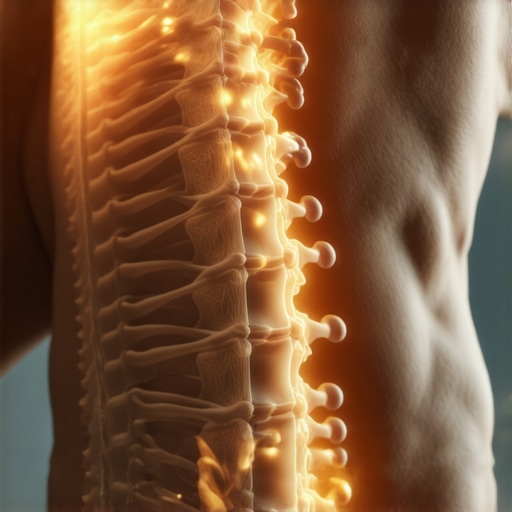
Why You Should Stop Cracking Your Own Back Every Morning
I used to wake up every morning craving that satisfying crack in my back, feeling like it was the only way to loosen up after a long night. But suddenly, one day, I realized that those quick, self-induced cracks might be doing more harm than good. I remember the moment vividly—hurting myself worse and realizing I was trapped in a cycle of relief that only brought temporary comfort.
Why You Should Consider Breaking the Habit
Every morning, countless people like us reach for that familiar routine—cracking their backs in hopes of waking up pain-free. But did you know that frequent self-manipulation can lead to instability and increased risk of injury? My own misguided efforts started a spiral of discomfort, and I had to face the reality that my approach wasn’t sustainable. Fortunately, I found effective alternatives that improved my mobility without the risks associated with cracking.
Is the Crack Really Worth It? The Truth Behind Self-Adjustments
Early on, I made the mistake of believing that cracking was a quick fix for stiffness. A common misconception! According to a study published in the National Institutes of Health, frequent self-manipulation can cause ligament laxity and disrupt natural joint stability. Instead of solving the problem, I was setting myself up for more discomfort down the line.
If this sounds familiar, you’re not alone. Many start with good intentions but fall into patterns that might hurt more than help. The key lies in understanding how to restore your mobility naturally and safely, which I’ll guide you through in the next sections. For a comprehensive look at how chiropractic care can help improve movement and reduce dependency on cracking, visit this resource.
Are you tired of waking up with that familiar stiffness and crack? Trust me—there are better ways to start your day. Let’s explore what works, what doesn’t, and how to genuinely enhance your mobility without risking your health.
Identify Your Movement Limitations
Start by assessing which movements feel restricted or cause discomfort. I recall a morning when I couldn’t bend forward without pain; I felt stuck in that limited range. To pinpoint this, perform gentle self-movements like neck turns, shoulder rolls, and hip circles, noting where tension or stiffness exists. This awareness helps tailor specific strategies.
Practice Controlled, Gentle Mobility Exercises
Once limited areas are identified, incorporate slow, controlled movements to encourage natural joint motion. For example, for neck stiffness, try tilting your head side to side slowly, matching the slow pace of a calming wave. During my own practice, I used these gentle stretches daily, and over weeks, I noticed increased fluidity in my movements. Consistency is key.
Implement a Daily Stretch Routine
Design a simple stretching routine targeting stiff regions. A short routine of neck tilts, spinal twists, and hip openers, performed every morning, can make a significant difference. I set a timer for 5 minutes and stuck to it, noticing that my mornings became smoother and pain lessened. Regular routine helps rewire your body’s movement patterns.
Utilize Micro-Adjustments During Daily Activities
Modify how you sit, stand, and lift to promote joint health. For instance, when reaching for something high, bend your hips and knees rather than arching your back. I remember an awkward moment at work when I switched to ergonomic desk adjustments, which prevented further stiffness. These micro-changes reinforce mobility gains and reduce strain.
Incorporate Posture Awareness and Breathing Techniques
Good posture prevents joints from locking in unhealthy positions. Practice sitting upright with your shoulders relaxed and avoid slouching. Pair this with deep, diaphragmatic breathing to relax muscles and improve circulation. I started conscious breathing during stretches, noticing that it eased tension and improved overall comfort.
Seek Professional Guidance When Needed
If persistent pain or stiffness remains, consult a chiropractor who can provide tailored adjustments and spinal mobilization techniques. From my experience, professional intervention not only speeds recovery but also ensures that exercises are performed safely. Visiting this resource helped me understand how chiropractic care complements daily efforts.
Many believe that chiropractic adjustments alone can resolve all neck and back issues, but in my experience, this oversimplification ignores crucial nuances that can make or break long-term relief. One common myth is that *more adjustments mean faster healing*; however, frequent manipulations without addressing underlying lifestyle factors may lead to joint instability, which can exacerbate pain over time. According to a study in the chiropractic care research, personalized, coordinated treatment plans are vital for sustainable improvement. Moreover, many practitioners neglect to emphasize movement quality and biomechanics, assuming adjustments alone will suffice, but nuanced assessments reveal that muscular imbalances and poor posture often persist and undermine progress. An oops trap to watch out for is thinking that pain relief is the same as resolving the root cause; temporary fixes can mask symptoms without restoring proper function. For advanced insights, consider how neural pathways adapt to chronic misalignments, influencing proprioception and muscle memory—areas extensively studied by neurophysiologists. This indicates that combining manual therapy with targeted mobility exercises can unlock deeper healing. Have you ever fallen into this trap? Let me know in the comments. For those seeking a comprehensive approach, exploring boosting mobility naturally with chiropractic care can be transformative, especially when integrated with lifestyle modifications and mindful movement practices.Maintaining long-term mobility and preventing back or neck pain requires more than just occasional stretches. Over the years, I’ve refined a set of specific tools and techniques that help me stay flexible and pain-free. First, I swear by a quality foam roller for my myofascial release routines. Using a dense foam roller allows me to target tight fascia and muscle knots, especially around my hips and back, which are often culprits behind ongoing discomfort. I prefer a high-density roller with a textured surface, as it provides better pressure and stimulates blood flow effectively. Incorporating myofascial release into my daily routine significantly reduces muscle tension and enhances overall mobility. Second, a set of resistance bands has been invaluable for strengthening stabilizing muscles without risking joint strain. I use them for targeted exercises like shoulder pulls and hip abductions, which are critical for maintaining proper alignment and preventing chronic stiffness. Resistance bands are portable and cost-effective, making them a practical investment. Third, I utilize a wearable posture trainer—like a smart back brace—that vibrates gently when I slouch. This real-time feedback helps me develop better postural habits throughout the day. Consistently maintaining good posture minimizes joint stress and supports spinal health, crucial for long-term mobility. Looking ahead, this trend of integrating smart technology into mobility tools is set to expand. Expect even more sophisticated devices, perhaps with AI-driven feedback, to help us maintain optimal movement patterns effortlessly. Next, I recommend investing in professional chiropractic care coupled with targeted exercises. They can tailor a maintenance routine specifically for your needs, ensuring sustained benefits. Curious about how to optimize your routine even further? Check out this resource for expert strategies to boost your movement capacity. Remember, the key to lasting mobility is consistency combined with smart tools designed to reinforce good habits. Try incorporating a foam roller and resistance bands into your daily stretch, and see how your pain levels and range of motion improve over time.
3 Surprising Lessons That Changed My Approach to Mobility and Pain Relief
- One of the biggest insights I gained was recognizing that quick fixes, like cracking joints, often mask underlying issues rather than solve them. Committing to consistent, gentle movements created sustainable improvements and a deeper understanding of my body’s signals.
- I’ll never forget realizing that posture awareness and core stability are more effective than any manual adjustment alone. Incorporating mindful alignment practices transformed my daily experience, leading to fewer aches and more fluid movement.
- Finally, combining professional guidance with self-managed routines empowered me to maintain progress. This dual approach allowed me to address root causes proactively instead of reacting solely to symptoms.