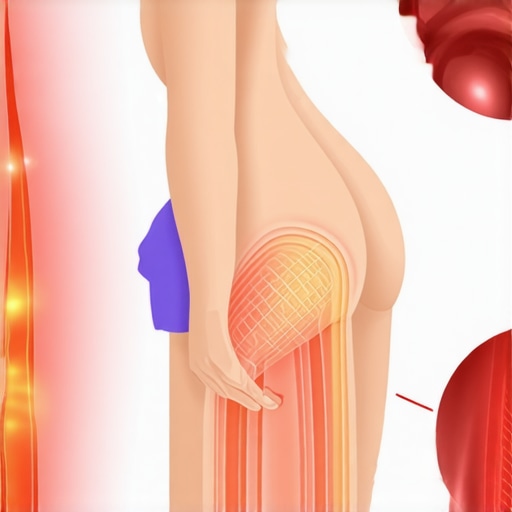
Why Your Core is Weak Even if You Have Six-Pack Abs
I remember the moment clearly. I was lying on the gym floor trying to sit up, drenched in sweat, proud of my six-pack, yet feeling a little wobbly when I stood up. That lightbulb moment hit me hard—having visible abs didn’t necessarily mean my core was actually strong or functional. It’s a common misconception that a chiseled six-pack equals a resilient, supportive core. Trust me, I’ve been there, chasing the aesthetic while neglecting the underlying stability.
Unmasking the Core: Why Looks Can Be Deceiving
So many of us spend hours in the gym sculpting those six-pack abs, thinking that’s the same as building a powerhouse core. Sure, visible abs are great for confidence and aesthetics, but they tell only part of the story. The core is a complex network of muscles—the deep stabilizers and the superficial muscles like your rectus abdominis—that work together, not just to look good but to protect your spine and enhance mobility.
Early in my journey, I made a crucial mistake: I focused solely on sit-ups and crunches, the classic core exercises. I thought more abs would mean more strength, but in reality, I was neglecting the deeper muscles like the transverse abdominis and the multifidus. That’s like building a fancy façade for your house but ignoring the foundation. Without a solid foundation, your core can look impressive but lack actual support, making you vulnerable to injuries and chronic pain.
Interestingly, research shows that people who concentrate only on superficial muscles often experience more back pain and less functional movement than those who train their deep stabilizers (Source: [The Journal of Orthopaedic & Sports Physical Therapy](https://www.jospt.org)). Imagine that—your six-pack might be your body’s equivalent of a shiny car with no engine.
Do you find yourself lifting weights, doing countless crunches, yet still ending up with lingering back pain or even neck discomfort? If so, you’re not alone—and you might be overlooking the very muscles that keep you moving without pain.
The good news? Once I understood this, I started focusing on activating and strengthening those deep core muscles. That was a game changer. My back pain decreased, my posture improved, and I moved with more ease in daily life.
In the upcoming sections, I’ll share proven chiropractic strategies and practical exercises to develop a true, functional core. Ready to ditch the deceptive six-pack and build a core that supports, stabilizes, and energizes you? Let’s dive in.
Start with Breath and Engagement
My first step was learning to activate my deep core muscles consciously. I laid on my back, placed a hand on my belly, and practiced diaphragmatic breathing—deep breaths that expand the stomach without raising the shoulders. Once comfortable, I focused on gently pulling my navel toward my spine, engaging the transverse abdominis, the body’s natural corset. This initial awareness created a foundation for effective strengthening.
Incorporate Proper Bracing Techniques
Next, I learned to brace my core during movement. Imagine preparing for a gentle punch to the gut—contract your muscles as if resisting the blow. I practiced this by doing slow, controlled pelvic tilts and bridging exercises, maintaining a taut and stable midsection throughout. This brace acts like the steel frame of a building—your core’s support system.
Progress to Stability Exercises
Once I mastered engagement, I progressed to stability movements. Planks became my go-to, but I modified them by supporting my knees initially to reduce strain. I kept my shoulders, hips, and heels in a straight line, holding for 20-30 seconds. Over time, I increased duration and added variations like side planks to challenge different stabilizers.
Focus on Controlled Movements
Micro-story: early on, I was tempted to rush through exercises, sacrificing form. Instead, I slowed down, emphasizing controlled, deliberate motions. This approach ensured I recruited the correct muscles without compensations. For example, during dead bugs, I moved limbs slowly, focusing on maintaining a neutral spine and avoiding arching the back. Precision is key in ensuring deep muscle activation.
Integrate Functional Movement Patterns
I incorporated movement patterns mimicking daily activities—lifting, twisting, and bending—with proper core engagement. For instance, I practiced safe deadlifts, keeping my core tight as I lifted a moderate weight. This helps transfer strength into real-life scenarios, reducing injury risk.
Apply Regular Mobility Checks
To optimize my core training, I regularly assessed my mobility and posture. A simple wall test checked thoracic spine movement, while a real-world tip involved adjusting my workstation ergonomics. Proper alignment ensures that my core activation translates into better support during everyday tasks.
Consistency Over Intensity
Micro-story: initially, I tried to do long sessions, but I found brief, daily routines more effective. I dedicated 10 minutes each morning to core engagement drills, building a habit I could sustain. Remember, consistent low-volume training often outperforms sporadic intense efforts.
Seek Professional Guidance
Finally, I consulted a chiropractor specialized in functional movement. They provided personalized cues and adjustments, particularly targeting my deep stabilizers. As a resource, you can visit these expert strategies to learn more about effective support techniques. If you’re experiencing persistent issues, don’t hesitate to reach out through this contact page.
Let’s Challenge Common Wisdom Around Mobility
Most people believe that stretching endlessly or performing ‘hip-openers’ is the key to better mobility, but this oversimplification often leads us astray. In my clinical experience, blindly stretching tight muscles without addressing underlying stability issues can worsen mobility restrictions rather than improve them. A common myth is that flexibility directly correlates with pain relief—yet research suggests that focusing solely on stretching can neglect the neuromuscular control needed for true mobility (Source: see here). This nuance is vital: mobility isn’t just about loosening muscles but retraining the nervous system to move efficiently.
The Pitfall of Relying on Chiropractic Adjustments Alone
Many assume that chiropractic adjustments are a quick fix that permanently realigns the spine and resolves back pain. While adjustments can provide immediate relief, over-reliance on them without integrating active management is a trap. From my perspective, true progress hinges on incorporating personalized exercises that restore muscular balance and motor control. A common mistake is neglecting to follow up adjustments with strengthening routines—similar to realigning a crooked fence post but not fixing the foundation. As explained in this guide, combining adjustments with movement training achieves sustainable results. Always remember: adjustments are part of a broader treatment plan, not a standalone solution.
Back and Neck Pain: What’s the real culprit behind recurrence?
Many want to find a quick fix, but recurring pain often hides more complex issues. The misconception is that pain is solely caused by disc herniations or muscle strains, yet sometimes it’s a matter of persistent movement patterns or poor motor control ingrained over years. For instance, habitual forward head posture or pelvic tilts can perpetuate discomfort despite temporary relief. A crucial advanced insight is that addressing posture and movement habits is essential—if neglected, pain returns once the effects of passive treatments fade. To truly understand your pain patterns, consider consulting a specialist skilled in functional movement, like a chiropractor versed in neuromuscular retraining. Dive into this resource to learn how to identify and correct these hidden contributors before they escalate.
Why do so many rehab strategies ignore the nervous system’s role in mobility?
It’s a question that deserves attention. The nervous system orchestrates muscle activation and movement patterns, yet most protocols emphasize passive stretching or strengthening without neural retraining. Recent studies demonstrate that motor control exercises targeting proprioception and coordination outperform traditional stretching in chronic pain cases (Source: see research here). This advanced approach recognizes the importance of retraining the brain and spinal cord to optimize movement and reduce pain. If you’re stuck in persistent pain cycles, exploring neural re-education could be your game-changer.
Have you ever fallen into this trap? Let me know in the comments.
Maintaining your mobility and preventing setbacks requires more than just sporadic exercises; it demands reliable tools and methods that support consistent progress. One of my favorites is a high-quality foam roller, specifically the dense, multi-textured type. I personally use it daily to release tension in my hip flexors and back muscles, which directly enhances my spinal stability. The reason this tool works so well is its ability to target deep tissue adhesions—something that static stretching alone can’t achieve effectively. Research indicates that foam rolling can improve tissue elasticity and reduce muscle soreness when used regularly (Source: see here).
How do I keep my mobility tools effective over time?
Consistent maintenance is key. I make it a point to clean my foam roller weekly with a mild disinfectant, check for any signs of wear, and replace it roughly every six months. Using proper storage—like hanging it in a cool, dry area—prevents mold and degradation. Incorporating complementary tools like resistance bands for gentle mobility drills and a therapeutic massage ball can deepen my release routines. Moreover, leveraging digital apps that guide my mobility sessions ensures I stay motivated and perform exercises correctly, reducing injury risk. As the field evolves, expect smarter, AI-driven tools that adapt to your body’s needs in real-time, making maintenance even more personalized and efficient.
If you’re serious about long-term results, I recommend integrating a simple but effective practice: use your foam roller daily before your main workout or morning routine. This small step creates a baseline of tissue health that can prevent injuries and improve your overall movement. For more tailored strategies, connect with a professional who can help optimize your recovery plan. Visit this contact page to get expert guidance. Remember, consistency and proper tool maintenance are your allies in keeping your body functionally strong, flexible, and pain-free for years to come.
As I reflect on my journey from chasing visible abs to developing true core strength, one insight stands out: the most impressive-looking abs can mask a weak or imbalanced core. Building a resilient, supportive core isn’t about superficial aesthetics; it’s about understanding the intricate dance of muscles beneath the surface, including deep stabilizers that often go unnoticed but are essential for long-term health and mobility.
Lessons Hidden Behind the Mirror
- The Value of Slow Progress: I learned that mastering deep core activation takes patience and consistency. Rushing into intense routines without foundational engagement can lead to setbacks, reminding me that patience is a core virtue on the path to enduring strength.
- Myth Busting Changed Everything: Overcoming misconceptions—like shallow exercises being enough—helped me focus on neural control and muscle coordination, which are crucial for pain-free movement and injury prevention.
- The Power of Mindful Movement: Focusing on controlled, deliberate motions enhances activation of deep stabilizers, leading to better posture, less pain, and improved functional ability. This realization transformed my approach from quantity to quality.
My Go-To Resources for Core Wisdom
- Proven chiropractic strategies: This comprehensive guide offers insights into aligning your spine and activating core muscles effectively, emphasizing the importance of personalized movement patterns.
- Natural mobility enhancement tips: I trust these techniques to complement my core training by improving flexibility and neuromuscular control.
- Expert-backed pain relief methods: They address the root causes of discomfort rather than just masking symptoms, which is vital for sustainable progress.
Your Next Step Toward Lasting Strength
Embarking on a journey to build a resilient, functional core is an investment in your body’s future. Remember, real strength comes from understanding your body’s unique needs, engaging muscles mindfully, and maintaining consistency. Don’t settle for superficial fixes—prioritize foundational stability, and you’ll unlock a new level of confidence and vitality. Let this be the moment you commit to deeper engagement and smarter movement practices.
Have you ever struggled with activating your deep core muscles during exercise? Share your experience below and let’s learn from each other.