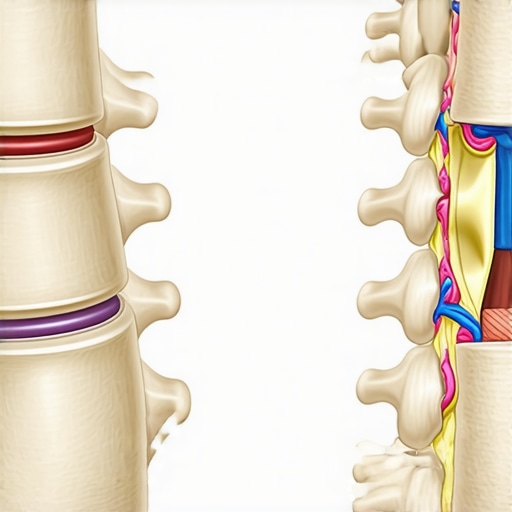
Why Your Core Workout is Actually Loading Your Spine
Ever feel that sharp twinge in your lower back after a seemingly innocent core exercise? One moment you’re feeling proud of your workout, and the next, you’re clutching your side, wondering if you just injured yourself doing a simple plank. I’ve been there too—believing that strengthening my core would shield me from back pain, only to find out I was inadvertently piling stress onto my spine. That lightbulb moment changed everything for me.
The Hidden Danger of Popular Core Exercises
Sometimes, our enthusiasm for exercise blinds us to the real impact it has on our bodies. Many of us dive into core routines, thinking they’re the universal fix for back issues. But what if I told you that some common core moves could actually be making your spine worse? I learned this the hard way early in my journey when I experienced persistent discomfort, despite diligently doing the exercises everyone recommended. It turns out that improper technique, combined with neglecting spinal alignment, was loading my spine instead of protecting it.
Is Your Workout Doing More Harm Than Good?
Here’s the truth: if your core routine isn’t tailored to your unique spinal health, it might be aggravating existing issues or even creating new ones. Many people overlook the importance of engaging the right muscles without overloading the spine’s vulnerable points. Early on, I made the mistake of blindly following generic routines without considering my posture or spinal position—something I now realize is crucial. For expert insights on how to approach core training safely, check out these proven strategies for back pain relief.
Have you experienced similar struggles—feeling pain after core workouts or noticing your back worsening despite regular exercise? If so, you’re not alone. In fact, understanding how our core exercises interface with our spinal health could be the game-changer we need. In the next sections, I’ll share practical steps to ensure your core workout supports, rather than sabotages, your spine’s wellbeing. Ready to transform your approach and finally experience relief? Let’s dive in.
.
Master Your Posture Before Lifting Weights
Start by assessing your daily posture, especially during sitting and standing. Use a mirror or record yourself to spot slouching or excessive arching. For instance, I once noticed I was tilting my pelvis forward while working at my desk, which strained my lower back. Correct that first by aligning your pelvis with your shoulders and hips, much like stacking books perfectly.
Engage the Right Muscles with Gentle Activation
Learn to Isolate Your Core
Lie on your back, knees bent, and gently draw your navel toward your spine, activating deep abdominal muscles—think of tightening a corset. Avoid holding your breath or forcing your belly out, which can increase spinal load. I practiced this during a fifteen-minute stretch, and felt my pelvis stabilize significantly, reducing back tension.
Focus on Functional Movements
Instead of traditional crunches, perform movements that mimic daily activities, like a bird-dog or shoulder bridge. When I added a gentle bridge to my routine, I noticed less lower back discomfort because I strengthened glutes and hamstrings in harmony with my core, easing spinal compression.
Use Proper Technique and Spinal Alignment
Always maintain a neutral spine—imagine a straight line from your ears to your tailbone. During planks, avoid craning your neck or letting your hips sag; this overloads lumbar discs. I caught myself when my neck was tilted up during a plank, which caused neck tension. Regularly check your form using mirror feedback or a coach’s eye, or review instructional videos such as this plank guide.
Incorporate Mobility Drills for Spinal Flexibility
Limited mobility can cause compensations and increased stress on the spine. Perform gentle spinal twists and cat-cow stretches daily. Once, I integrated a simple towel drill for mid-back mobility, which instantly improved my posture and reduced stiffness, much like unlocking a stubborn piece of furniture.
Gradually Increase Load and Complexity
Progress slowly, ensuring your form remains impeccable at every stage. Avoid rushing into heavy lifts before your core muscles can stabilize your spine supportively. My initial attempts to lift heavier weights led to setbacks, but by focusing on controlled, lighter movements, I built resilience without injury.
Avoid Common Mistakes That Wreck Your Back
Stay clear of arching your back during lifts, overusing momentum, or ignoring pain signals. Sometimes, I ignored early discomfort, thinking it was normal—until I realized that extra effort was loading my disks unnecessarily. Regularly scheduled rest and listening to your body’s warnings can prevent setbacks, and for details on managing neck pain that often accompanies spinal issues, check out these expert tips.
Prioritize Recovery and Support
Include stretches, proper sleep posture, and, if needed, supportive devices like lumbar rolls cautiously. I found that elevating my legs after workouts helped reduce lower back inflammation, much like giving your engine a day off to cool down. Combining these strategies creates a resilient core that supports your spine without risking injury.
Many assume that back pain, neck stiffness, or mobility limitations are straightforward problems rooted solely in muscles or joint misalignments. However, as an experienced practitioner, I’ve seen that the nuances go much deeper. A common myth is that symptomatic relief always equates to fixing the underlying cause, but often, it masks the real issues—such as subtle spinal misalignments or nerve dysfunction—that require a more advanced approach. For example, focusing only on stretching or strengthening without addressing spinal stability can be a trap that worsens the condition over time. An advanced mistake is neglecting the significance of spinal proprioception and its impact on movement patterns. According to research published in the Journal of Orthopaedic & Sports Physical Therapy, impaired proprioception can lead to persistent pain and limited mobility even after traditional therapies. This is why techniques like targeted chiropractic adjustments or neuromuscular retraining are crucial for long-term recovery. When dealing with neck pain, many believe that static stretching is sufficient, but without considering joint mobility and nerve health, these efforts might be ineffective or even harmful. The real hidden nuance lies in understanding the interconnectedness of spinal structures, nerve pathways, and muscular coordination.
How do advanced neuro-spinal assessments inform better treatment plans?
Instead of just symptomatic management, comprehensive evaluations can reveal hidden dysfunctions that perpetuate pain or restrict movement. Incorporating diagnostics like motion analysis or nerve conduction assessments leads to more personalized and effective interventions. If you’re still experiencing issues despite conventional treatments, exploring these deeper insights could change your recovery trajectory. For additional strategies on optimizing neck and back health, check out these expert methods or dive into chiropractic tips for neck pain relief. Remember, listening to your body and understanding the subtle signs can prevent a simple discomfort from turning into chronic issues. Have you ever fallen into this trap? Let me know in the comments.Maintaining a healthy back and mobility over the long term requires more than just understanding exercises and posture; it involves utilizing the right tools and techniques that support your journey. One of my most trusted tools is a **high-density foam roller**, which I use daily to release muscle tension and improve my spinal flexibility. I prefer a firm roller with a smooth surface because it effectively targets deep fascial layers, helping me prevent knots that could lead to stiffness or pain. I incorporate specific rolling patterns, like focusing on my thoracic region, which has been shown to enhance mobility and reduce compensatory movement that stresses the lumbar spine. Additionally, I use a **lumbar support belt** during prolonged sitting or driving to maintain spinal alignment, especially when I notice signs of fatigue creeping in. However, I only use it temporarily, as over-reliance can weaken your core muscles—so moderation is key.
Another indispensable tool is a **spinal decompression device**, like a portable traction belt, which gently elongates the spine and alleviates disc pressure. I personally find scheduled use of such devices, combined with targeted chiropractic adjustments, provides sustained relief and helps maintain proper disc hydration and alignment. In the realm of digital tools, I rely on specialized **mobility apps** that guide me through daily routines and track my progress. These apps often include video demonstrations and timers, making it easier to stay consistent. For example, the ‘Mobility Master’ app has specific routines for neck, back, and hip mobility, which I integrate into my morning routine to prime my body for the day ahead.
How do I maintain ongoing back health and mobility?
Consistency is crucial. Establishing a daily regime that combines manual techniques with supportive devices helps build resilience. Regular chiropractic care, combined with targeted exercises and tools, can prevent injuries from escalating. I recommend consulting a professional before adding new devices into your routine to ensure they suit your particular needs. Looking ahead, the trend leans towards smarter, app-integrated devices that offer real-time feedback and personalized adjustments, making self-care more accessible and effective. To give yourself a head start, try incorporating a foam roller session focusing on your thoracic spine today — it’s a simple yet powerful step toward sustained mobility. For more insights on effective neck and back management, explore these expert methods.
Over years of navigating through persistent back and neck issues, I uncovered insights that radically shifted my understanding and approach to spinal health. These lessons, often overlooked, became the cornerstone of my recovery and ongoing maintenance. If you’re tired of trial-and-error methods and want to delve into what truly makes a difference, these revelations might resonate deeply with your own journey.
Side Effects of Ignoring Spinal Nuances
I used to think that strengthening my core alone was enough, but neglecting the subtle misalignments in my spine only prolonged my discomfort. The lightbulb moment came when I realized that precise posture correction and awareness of my body’s proprioception dramatically reduced my pain episodes. This taught me that addressing the deeper, often hidden, facets of spinal health yields better, longer-lasting relief.
Why Small Adjustments Make Massive Differences
One overlooked lesson was how minor tweaks in daily habits—like the way I sit, how I lift objects, or even my sleep position—can prevent or exacerbate back and neck pain. I found that consistency in maintaining spinal awareness and proactive posture habits outperforms sporadic, intense exercise routines. Simple tools, such as targeted mobility drills and proper ergonomic setups, became my allies in fostering resilience.
Beyond Exercise: The Power of Mindful Movement
Engaging mindfully with my movements, focusing on alignment during every task, shifted my experience from reactive to preventive care. Incorporating gentle mobility exercises and diaphragmatic breathing not only eased existing discomfort but also fortified my spinal stability. This holistic perspective emphasizes that our daily choices, when made consciously, shape our spinal well-being more than we realize.
Curated Gems That Changed My Perspective
Among the many resources that complemented my journey, a few stand out as game-changers. The comprehensive guides on relieving neck and back discomfort offered evidence-based techniques that transformed my approach. Additionally, mastering mobility with tools like foam rollers from mobility-specific strategies provided a proactive edge I hadn’t appreciated before. Lastly, understanding the link between nerve health and posture from spinal health insights deepened my appreciation for nuanced care.