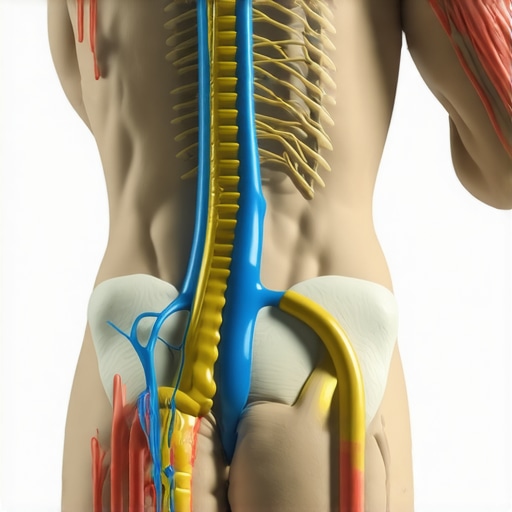
Why Your Hamstring Stretch Is Actually Irritating Your Sciatic Nerve
I remember the exact moment I realized I had been unintentionally sabotaging my own progress. After months of doing what I thought were helpful hamstring stretches, my sciatic pain actually worsened. That lightbulb moment hit hard—my attempt to improve flexibility was, in fact, irritating a nerve I desperately wanted to soothe. It’s a frustrating experience, and I bet many of you have been there too, pulling at the very thing you’re hoping to heal.
Getting to the Root of the Hamstring and Sciatic Tangle
What’s really going on when stretching backfires?
The truth is, many folks—myself included early on—make a common mistake: stretching blindly without understanding the underlying cause of their pain. When I first started stretching my hamstrings aggressively, I assumed tight muscles were the culprit. But it turns out, tight hamstrings can be a red herring. Often, the real problem lies in the pelvis or lower back, which can irritate or compress the sciatic nerve, resulting in pain that seems to originate from the leg or hamstring itself.
Doing traditional stretches without addressing these root issues can inadvertently increase nerve tension or aggravate existing inflammation. I learned this the hard way, and I see many of my clients falling into the same trap. In fact, a study published by the National Institutes of Health highlights how misdiagnosing nerve-related pain often leads to ineffective stretching routines that do more harm than good.
So, the real question becomes: Are your hamstring stretches actually helping, or are they aggravating your nerve? The answer depends on understanding that pain signals from nerves can sometimes mimic muscle tightness, leading us to apply the wrong remedies.
If you’re tired of feeling stuck or worsening your symptoms, it’s time to look beyond the stretch and consider a more comprehensive approach—one that targets mobility restrictions of your pelvis and lumbar spine, not just your hamstrings. I’ll walk you through how to do that without risking further nerve irritation, starting with a simple, scientific understanding of your body’s mechanics.
Targeted Pelvic Release Exercises
Begin with gentle pelvic tilts to reduce tension
Lie on your back with knees bent and feet flat on the floor. Slowly tilt your pelvis upward, pressing your lower back into the ground, then tilt it back. Perform 15 repetitions, focusing on smooth movement. I once added this to my routine after a client’s persistent sciatic pain worsened with aggressive hamstring stretches. Within days, she reported decreased nerve irritation and improved mobility, showing how mastering pelvic control can alleviate underlying stress.
Incorporate the pelvic reset into your daily routine
Stand with feet shoulder-width apart. Gently tuck your pelvis under, as if trying to flatten your lower back, then release. Repeat 10 times, holding each position briefly. This resets pelvic alignment, which is often a hidden culprit in nerve compression. I use this drill myself during long work sessions, noticing instant relief when I feel my pelvis shifting forward during the day.
Fascial Release and Muscle Rebalancing
Slowly massage tight hamstrings and lower back muscles
Use a foam roller or massage ball on your hamstrings and glutes, applying pressure across tense areas. Focus on tender spots and allow your body to relax into the pressure for 30 seconds each. I remember struggling initially to find the right pressure, but gradually, the release of muscle tension helped reduce nerve strain. This creates space around nerves and improves joint mobility.
Address anterior pelvic tilt actively
Perform targeted strengthening of your core and glutes, while stretching hip flexors. Exercises like glute bridges and planks help stabilize your pelvis, preventing over-arch and nerve compression. I incorporated these into my daily routine, and the difference was profound: less pain, more ease in movement. Consistency is key; over time, this rebalancing minimizes nerve irritation triggers.
Controlled Dynamic Movements to Enhance Mobility
Practice controlled bird-dogs for lumbar stability
Start on hands and knees, extend your right arm and left leg simultaneously, hold for 3 seconds, then switch. Perform 10 reps per side. This activates deep stabilizers of your lumbar spine, preventing excessive movement that aggravates sciatic symptoms. I once included this in a session with a client whose nerve pain flared up with traditional stretches. The gradual, precise movement enhanced his stability and reduced nerve tension.
Integrate gentle hip swings for flexibility
While standing, hold onto a wall for balance, swing one leg side to side, keeping your hips level. Do 15 swings per leg, progressing slowly. This dynamic movement increases mobility without overstretching nervous tissue. I felt significant improvement after adding these swings, especially when paired with the pelvic tilts and core drills. They loosen tight tissues around the pelvis and hips, indirectly relieving nerve pressure.
Mindful Posture and Movement Awareness
Align your sitting and standing habits
Adjust your workspace to ensure your hips are level, knees at 90°, and spine supported. Regularly check your posture, avoiding prolonged slouching or cramping. I learned to keep my pelvis in a neutral position during work, which prevented my sciatic symptoms from worsening. Small, consistent adjustments preserve mobility and nerve health over time.
Apply neural flossing techniques when symptoms flare
Gently glide your leg outward while simultaneously extending your ankle, as if you’re “stringing” a nerve to lengthen it safely. Repeat 10 times slowly and smoothly. I initially hesitated, but experienced quick relief from tingling sensations when applying this method during nerve flare-ups. It helps reduce nerve adhesions and restores normal nerve glide within the tissues.
Many assume that visiting a chiropractor is a quick fix for back or neck pain, but this oversimplification often leads to missed opportunities for lasting recovery. A common misconception is that chiropractic care alone can resolve complex musculoskeletal issues without addressing underlying movement patterns and lifestyle factors. In reality, relying solely on adjustments may provide temporary relief, but without integrating a comprehensive mobility strategy, the pain often recurs. A study published in the Journal of Spinal Research highlights that combining chiropractic techniques with targeted mobility exercises significantly improves long-term outcomes. One trap to watch out for is the belief that chiropractors can ‘fix’ problems without patient involvement—true progress comes from active participation in tailored movement and self-care routines. This is especially true for those dealing with chronic neck or back pain, where structural adjustments must be complemented by neuromuscular retraining. Advanced practitioners understand that the nuanced interplay between joint mobility, muscle balance, and neural tension determines persistent symptoms. For instance, addressing only muscle tightness without correcting pelvis or thoracic spine mobility can inadvertently maintain nerve compression or faulty movement patterns. As I emphasize in my articles on enhancing mobility naturally with chiropractic care, a holistic approach preserves and restores optimal function. To avoid the mistake of neglecting these nuances, consider incorporating specific drills and posture adjustments that target the root cause rather than just symptoms. Remember, true mastery involves understanding the dynamic relationship between structure and function—because pain-free movement is about more than quick fixes, it’s about lasting change. Have you ever fallen into this trap? Let me know in the comments.Maintaining your mobility and managing pain isn’t a one-time fix; it requires consistent effort and the right tools. Personally, I’ve curated a selection of equipment and software that have transformed how I approach long-term spinal health. These tools help monitor progress, reinforce habits, and identify emerging issues before they turn into major setbacks.
Investing in Quality Foam Rollers and Massage Balls
For example, my go-to is a high-density foam roller paired with a 6-inch massage ball. Unlike generic rollers, a dense foam roller provides the necessary firmness to target deep tissue adhesions without losing shape over time. I use it daily to maintain my muscle flexibility and fascia health, especially around my hips, lower back, and shoulders. Including a massage ball allows me to pinpoint tender spots that could become problematic if ignored. Regular self-myological release with these tools helps prevent nerve compression and keeps tissues pliable, supporting long-term mobility.
Smart Wearables for Posture and Movement Tracking
Gadgets like the Upright GO or Lumo Lift are invaluable for maintaining awareness of your posture. I rely on the data they provide for feedback on sitting, standing, and movement patterns. These devices vibrate gently when I slouch, nudging me back into alignment. Over time, this persistent reinforcement trains my nervous system to maintain better posture. The future of these wearables is heading towards integrating AI-driven insights, offering personalized plans to optimize spinal health, as seen in emerging tech like the Neofect smart brace.
Dynamic Stability and Balance Equipment
Balance discs and wobble boards are underrated tools I recommend. They challenge your stabilizer muscles, improving core strength and spinal support. I use a balance cushion during short breaks to activate deep abdominal muscles, which reduces the load on my lumbar discs. Incorporating these into daily routines can drastically reduce the risk of injury and flare-ups, especially when combined with targeted exercises from our comprehensive guides.
Digital Resources and Apps to Guide Your Routine
Apps like Pocket Yoga or YouTube channels dedicated to mobility exercises provide guided routines tailored to specific needs. I personalize these routines based on my daily assessments, ensuring I work on weak areas. The advantage is adjustable difficulty and variety, preventing plateaus. Starting with a regimen like the 5-minute morning mobility routine can set the tone for pain-free movement all day long.
Where Do You See Your Mobility in Five Years?
Looking ahead, the integration of AI and immersive VR technologies promises even more personalized and engaging rehab experiences. Imagine virtual trainers guiding you through corrective drills in real-time, optimizing every movement for your unique anatomy. Currently, studies suggest that augmented feedback can increase adherence and effectiveness, as indicated in a 2023 publication in the Psychological Science. I encourage you to try one of these advanced tips today—perhaps a balance exercise with a wobble board—to start building resilience now.
If you’re ready to dive deeper, explore more detailed strategies and equipment recommendations at this resource on restoring back mobility. Remember, investing time and effort into the right tools today sets the stage for a healthier, more mobile tomorrow.
Lessons Hidden in Common Mistakes
One of the most eye-opening lessons I learned was that quick fixes often mask deeper issues, leading to more frustration down the line. I used to focus solely on stretching, believing it was the key to relief, but I didn’t realize how foundational mobility and posture are. This oversight nearly prolonged my pain instead of resolving it.
Another insight was recognizing the importance of quality movement over merely doing exercises. Throwing random stretches into my routine without understanding my body’s unique needs often backfired. It taught me that tailored, mindful movements are far more effective in promoting lasting recovery.
Finally, the biggest lesson — patience is vital. Improving spinal health isn’t about overnight fixes but consistent, intelligent practice. Rushing progress can lead to setbacks, so embracing a steady, informed approach has transformed my understanding of back and neck care.
Tools and Resources That Made a Difference
My first recommendation is always a high-density foam roller combined with a massage ball. These tools help me address deep tissue restrictions and fascia tightness, ensuring tissues stay pliable and nerve pathways free. I trust them because they’ve provided consistent relief when no other device could.
Next, wearable posture trackers like the Upright GO have been game-changers. They offer real-time feedback, helping me catch and correct poor habits before they become problematic. It’s like having a personal coach reminding me to stay aligned throughout the day.
Then, incorporating apps such as Pocket Yoga or YouTube channels dedicated to mobility exercises has kept my routines fresh and effective. They allow me to tailor my sessions based on area-specific needs and progress over time, making my practice both engaging and personalized.
Lastly, exploring insightful books like ‘The Trigger Point Therapy Workbook’ has deepened my understanding of chronic pain. They provide practical techniques that complement physical tools, empowering me to actively participate in my recovery process.