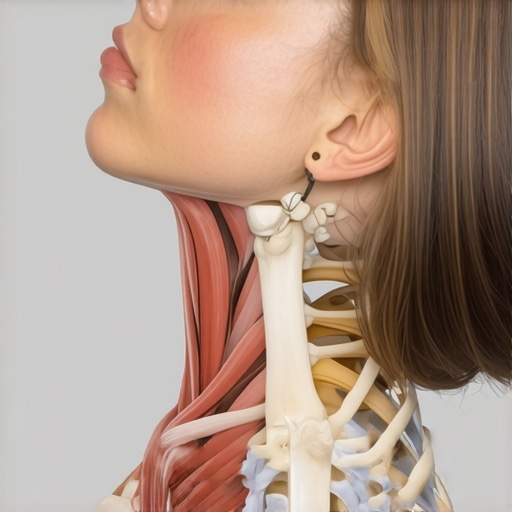
Why your head feels heavy after 3 PM and how to fix it
Have you ever felt that unshakeable heaviness in your head just as the afternoon ticks past three? One moment you’re going about your day, and the next, a sluggish fog settles, making concentration harder and fatigue almost tangible. I used to brush it off as a normal part of my busy schedule—until I realized it wasn’t. It was my body’s way of telling me something needed attention.
Shedding Light on the Afternoon Head Haze
Over time, I discovered that this heavy-headed feeling isn’t just about mental fatigue; it’s often linked to posture issues, poor circulation, or even neck tension. The crucial thing is to recognize that this isn’t a childish quirk or something to ‘tough out.’ Instead, it’s a sign of underlying patterns that can be addressed to boost your overall well-being.
So today, I want to promise you that this feeling can be managed—and even eliminated—by understanding the root causes and applying proven strategies. No more headaches dominating your afternoons. This is about reclaiming your energy and focus for the rest of your day.
Why Are We So Prone to This Head Fog After 3 PM?
Well, one surprising fact is that many people unconsciously adopt poor postural habits during their workday, leading to muscle tension that can restrict blood flow and cause headaches. Additionally, dehydration and nutrition play roles in how alert we feel as the day progresses. Early on, your body compensates, but by mid-afternoon, the signs are unmistakable if you haven’t addressed these issues.
Speaking from personal experience, I fell into the trap of neglecting my posture and hydration—thinking that some coffee and a quick stretch would suffice. But it wasn’t until I made a conscientious effort to correct my sitting habits and stay properly hydrated that I noticed a real difference. More on that in a bit. Want to explore some insights that can help you beat this afternoon slump? Let’s get into it.
If you’ve found yourself battling this head heaviness regularly, know that you’re not alone. And rest assured, solutions exist that are simple, effective, and backed by health experts. But first, I made a mistake early on—ignoring the importance of spinal alignment—which only worsened my symptoms. Learning to correct my posture through targeted strategies was a game-changer. Want to hear how you can implement these tweaks in your daily routine? Keep reading.
}#}#}#}#}#}#}#}#}#}#}#}#}#}#}#}#}#}#}#}#}#}#}#}#}#}#}#}#}#}#}#}#}#}#}#}#}#}#}#}#}#}#}#}#}#}#}#}#}#}#}#}#}#}#}#}#}#}#}#}#}#}#}#}#}#}#}#}#}#}#}#}#}#}#}#}#}#}#}#}#}#}#}#}#}#}#}#}#}#}#}#}#}#}#}#}#}#}#}#}#}#}#}#}#}#}#}#}#}#}#}#}#}#}#}#}#}#}#}#}{
Align Your Posture for Immediate Relief
Start by paying attention to how you sit. Imagine your spine as a stack of building blocks; if one block shifts, the entire structure becomes unstable. I recall a time when I noticed my neck tilting forward at my desk. I paused and adjusted my monitor to eye level, then supported my lower back with a cushion. This simple tweak helped reduce strain and improved my overall posture. For a comprehensive guide on correcting spinal alignment, visit this resource.
Incorporate Targeted Stretching and Mobility Exercises
Stretch the Neck and Shoulders
Gentle stretches can work wonders. For example, perform a chin tuck: sit upright, tuck your chin towards your chest, hold for five seconds, then release. I did this during a work break, and it instantly eased my neck stiffness. Remember, overstretching can backfire—start slow and listen to your body.
Mobilize Your Thoracic Spine
Your mid-back area often gets stiff from prolonged sitting. Try a seated twist: sit upright, cross your arms over your chest, and gently rotate your upper body side to side. This movement helps unlock the thoracic region, which is key to reducing neck tension. For detailed techniques, explore this guide.
Engage in Strengthening Exercises
Building core strength provides a solid foundation, supporting your spine and reducing strain. I incorporated planks and bird-dogs into my routine; initially unsteady, but over weeks, my back felt more resilient. Focus on engaging your deep abdominal muscles, which act like a corset for your spine. A strong core can prevent neck and back issues before they start—see this article for step-by-step instructions.
Optimize Your Work Environment
Small adjustments can lead to big improvements. Use ergonomic accessories: a supportive chair, adjustable desk, and proper monitor height. I found that elevating my laptop with a stand and using an external keyboard reduced my neck strain significantly. Think of your workspace as a control panel—each element should promote proper alignment. Check out this post for more ergonomic hacks.
Implement Regular Movement Breaks
Staying still for too long aggravates stiffness. I set a timer to remind myself to stand, stretch, and walk every 30 minutes. Even a quick stretch can boost circulation, relax muscles, and prevent pain. Picture your muscles as a garden hose—if water remains stagnant, it becomes clogged; movement keeps everything flowing smoothly. Learn more about staying mobile with this resource.
Utilize Breathing and Relaxation Techniques
Stress often tightens neck and shoulder muscles. Deep breathing exercises activate your parasympathetic nervous system, promoting relaxation. I practice diaphragmatic breathing during stressful moments—inhale deeply through my nose, expanding my belly, then exhale slowly. Over time, this practice reduced my overall muscle tension and improved my posture. For more methods, see this article.
Seek Professional Guidance When Needed
Persistent discomfort warrants expert help. A qualified chiropractor can address misalignments and muscular imbalances that contribute to pain. I visited a chiropractor after trying these strategies and noticed faster improvements. For personalized assessment and treatment, consider consulting professionals through this contact page.
Many believe that lumbar pain or neck stiffness is simply due to tight muscles or bad posture, but the truth runs deeper. A common misconception is that chiropractic adjustments are a quick fix for chronic issues; however, reliance solely on passive treatments often overlooks lifestyle factors that perpetuate pain and limit mobility. In my experience, a frequent trap is thinking that pain is solely structural, ignoring the role of nervous system health and movement patterns that require integrated approaches. For instance, numerous studies, like those cited in this resource, demonstrate that sustainable relief hinges on addressing both structural alignments and functional movement. Advanced practitioners understand that focusing only on symptom relief without correcting underlying movement habits or lifestyle choices can lead to recurrence. Remember, chronic back and neck issues often involve complex neuromuscular factors, not just isolated joint restrictions. For example, inadequate core stabilization can cause a cycle of instability and pain that passive treatments won’t resolve. Avoid falling into the trap of thinking pain is purely mechanical — instead, adopt a holistic view that incorporates mobility training, ergonomic adjustments, and education. By integrating techniques like spinal mobilizations and active rehabilitation, you can achieve lasting improvements. Curious about how subtle movement patterns influence long-term health? Consider exploring proven strategies for restoring mobility. Remember, quick fixes might offer temporary relief, but true progress requires understanding the nuanced interplay between structure, function, and behavior. Have you ever fallen into this trap? Let me know in the comments.Maintaining your spinal health over time requires more than just occasional stretches or chiropractor visits; it hinges on incorporating effective tools and routines into your daily life. Personally, I rely heavily on ergonomic equipment like adjustable desks and supportive chairs that promote proper posture throughout the day. These tools serve as the foundation, ensuring that my body stays aligned whether I’m working, relaxing, or moving around. For instance, an adjustable standing desk not only reduces static sitting but also encourages movement, which is crucial for long-term mobility. To optimize your workspace, consider investing in an ergonomic monitor stand, as proper screen height minimizes neck strain and promotes better alignment. Additionally, utilizing mobility aids such as foam rollers and massage balls helps me release muscle tightness and maintain flexibility, especially after hours at the desk. I personally prefer a durable foam roller for my thoracic spine; regular use prevents stiffness and enhances spinal mobility, which aligns with findings from this resource. Looking ahead, I believe that wearable technology tracking posture and movement will become even more integral, offering real-time feedback to prevent poor habits before they manifest as pain. So, how do I keep my back and neck functioning smoothly over the long haul? The key lies in consistent use of targeted tools—like inversion tables to decompress the spine or ergonomic keyboards to reduce wrist and shoulder strain—combined with periodic professional assessments. Implementing a routine check-in with a chiropractor who understands your unique needs can catch misalignments early, preserving mobility and preventing chronic pain. One advanced tip I recommend is integrating a simple yet effective movement tracker into your daily routine to provide actionable insights. For example, apps that monitor your sitting and standing patterns can prompt timely breaks, reducing muscle fatigue and maintaining spinal health. Remember, building these habits around reliable tools can dramatically improve your quality of life. For a deeper dive into techniques supported by top wellness experts, read this guide. Don’t wait until discomfort becomes chronic—start leveraging these proven tools today and experience lasting relief.
3 Surprising Truths That Changed My Approach to Back Pain and Mobility
- Ignoring Small Signs Can Cost You: I learned the hard way that neglecting minor discomforts early on often leads to long-term issues. Paying attention to the subtle hints my body gave me made all the difference.
- Passive Treatments Aren’t Enough: Relying solely on chiropractor visits or quick fixes only masked symptoms. Integrating active movement and lifestyle changes created sustainable results for me.
- The Power of Consistency: Small daily habits, like proper ergonomic adjustments and targeted stretches, compounded over time into remarkable improvements in mobility and pain relief.
- Holistic Care Beats Isolated Solutions: Addressing posture, nutrition, stress, and movement collectively proved essential. It’s not just about one fix but a comprehensive approach to spinal health.
- Empowering Myself Made the Difference: Learning about my own body and understanding the ‘why’ behind my pain encouraged me to take ownership and stay committed to proactive care.
My Go-To Resources for Lasting Back and Neck Health
- Understanding Back Pain: This comprehensive guide helped me grasp the fundamentals of proper posture and mobility strategies that truly work. Check it out to build your knowledge foundation.
- Effective Chiropractic Techniques: Trustworthy insights on active rehab and spinal mobilizations, which I found invaluable for creating long-term relief.
- Mobility Mastery: Expert tips on maintaining movement and preventing stiffness—an essential part of my routine now.
- Posture and Ergonomics: Practical advice for adjusting my workspace, which drastically reduced my afternoon head fog and neck pain.
Take Charge and Feel the Difference
Your back health journey is unique, but you don’t have to navigate it alone. Every step toward understanding your body and applying proactive strategies can lead to lasting relief and mobility. Remember, small consistent actions often lead to the most profound changes. So why not start today with one new habit—perhaps a quick posture check or a simple stretch? Your future self will thank you.
What’s one small change you’re willing to try this week to improve your back or neck comfort? Let me know below—I’d love to hear your plan!
,