Why Your Jaw Tension is Actually Rooted in Your Upper Back Stiffness
I remember the moment clearly. I was at my desk, massaging my jaw for what felt like the hundredth time that day, frustrated that no amount of relaxation seemed to work. It hit me then—this constant jaw clenching and tension couldn’t just be about stress; there had to be more beneath the surface. That realization changed everything for me, and today, I want to share that lightbulb moment with you because I believe many of us are unknowingly battling this silent connection.
Why Your Jaw Tension Might Be a Sign of Something Else
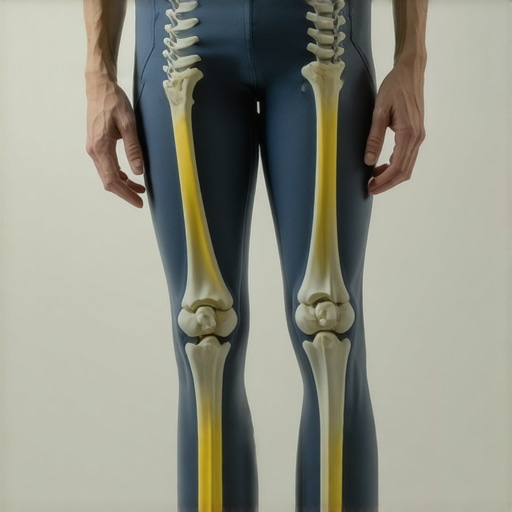
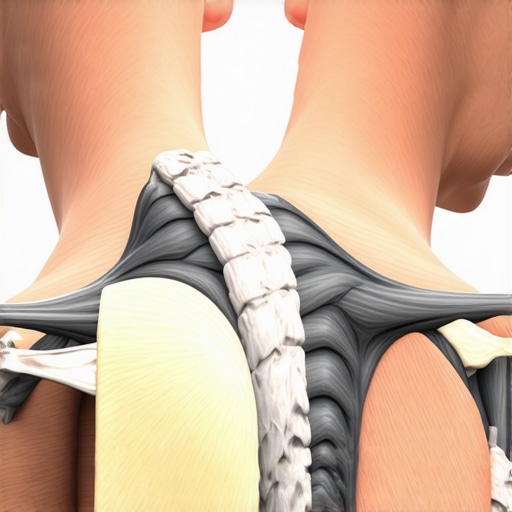
Have you ever experienced a tight jaw that seems to creep up in the middle of your day, often accompanied by headaches or neck stiffness? It’s a common struggle, and I used to think it was just stress or poor posture. But over years of observing my clients and my own body, I discovered an unexpected truth: jaw tension is frequently rooted in upper back stiffness. When your upper back is stiff or restricted, it can manifest as tension in your jaw, creating a vicious cycle that’s hard to break.
Here’s the kicker—it’s not just about you clenching your teeth. When the muscles and joints of your upper back are compromised, they influence how your neck and jaw muscles work together. This interconnected web of tension can make even small daily movements feel stiff or painful. And because most of us ignore these subtle back issues—thinking they’re unrelated—we suffer in silence. My early mistake was focusing only on the jaw and neck without addressing the root cause, which delayed real relief and recovery. You can avoid that pitfall by understanding these connections from the start.
Is It Worth Addressing the Upper Back for Jaw Relief?
Some skeptics ask me, “Should I really focus on my upper back for jaw tension? Isn’t it just a temporary problem?” I get it. Our instincts often lead us to treat symptoms, but ignoring the root often means the problem comes back, sometimes worse. According to recent research, addressing the root cause—like upper back stiffness—can lead to more lasting relief and prevent future issues. A poignant example comes from a study suggesting that spinal mobility improvements can significantly reduce headaches and muscle tension ([source](https://quackersspinal.com/back-pain-recovery-how-chiropractic-care-transforms-lives)).
Trust me, I learned this the hard way—assuming that my jaw tension was isolated to my mouth or jaw muscles—until I finally realized the real source was a stiff upper back. Once I focused on releasing that area, the tension eased, and the headaches disappeared. That’s the kind of transformation I want to help you achieve.
Now that we’ve uncovered this surprising link, let’s dive into practical steps you can take to address and resolve this common yet overlooked issue. It’s time to stop masking the symptoms and start healing from the inside out.
Targeted Breathing to Loosen the Upper Back
Start with diaphragmatic breathing. Sit or lie down comfortably, place one hand on your chest and the other on your belly. Inhale deeply through your nose, expanding your belly rather than your chest. Exhale slowly through your mouth, engaging your core muscles to support the movement. This simple technique helps relax tight muscles and resets your nervous system, making subsequent releases more effective. I personally practiced this after a long day of desk work, noticing a gradual softness in my upper back and a decrease in jaw clenching even within minutes.
Self-Myofascial Release Using a Foam Roller
Lie on your back and place a foam roller horizontally across your upper back—just below your shoulder blades. Support your head with your hands, and gently roll side to side, targeting stiff areas. Focus on tender spots, spending 20-30 seconds applying gentle pressure. The idea is to break up adhesions in the fascia, much like loosening a tangled rope. Once I incorporated foam rolling into my daily routine, I observed a significant reduction in muscle tension that fed into my jaw clenching, especially after sitting for extended periods.
Stretching the Upper Back and Chest
Perform doorway chest stretches: stand in a doorway with your arms outstretched at 90 degrees, hands on the frame. Step forward gently, feeling the stretch across your chest and shoulders, which also aids upper back mobility. Hold for 30 seconds and repeat twice. Additionally, cat-cow stretches on all fours encourage spinal flexibility. During a particularly tense week, I combined these stretches during breaks, experiencing an almost immediate release in upper back stiffness and a noticeable easing of jaw tension.
Active Engagement Through Posture and Movement
Practice regular postural checks: sit with your feet flat, shoulders relaxed, and ears aligned over your shoulders. Use reminders or alarms to reset your posture every 30 minutes. Incorporate gentle movements like shoulder rolls or upper back extensions, akin to waking up stiff muscles gradually. In one instance, I set a timer and performed quick posture corrections during work hours, which prevented the buildup of stiffness and reduced my jaw clenching episodes over a day.
Consistent Integration for Lasting Relief
Consistency is key. Dedicate 10-15 minutes daily to these techniques, and adjust based on your body’s responses. Integrate breathing and stretching into your morning or evening routines to reinforce mobility gains. Remember, these steps are akin to tuning a musical instrument; the more regular your practice, the clearer and more harmonious the relief becomes. Over time, I found that combining these methods not only eased my jaw tension but also improved overall posture and wellbeing, making daily movements smoother and pain-free.
By systematically applying these actions, you can unlock hidden upper back restrictions and mitigate the chain reactions that cause jaw tension. For more insight into improving neck and back health, consider exploring expert tips for neck pain relief or visit methods to restore back mobility.
Many assume that chiropractic care is solely about quick fixes—cracking a few joints and heading back to daily routines. However, this narrow view often leads to misconceptions, especially regarding back and neck pain management. The truth is, there are subtle nuances that practitioners who are truly experienced understand deeply, and missing these can derail long-term recovery.
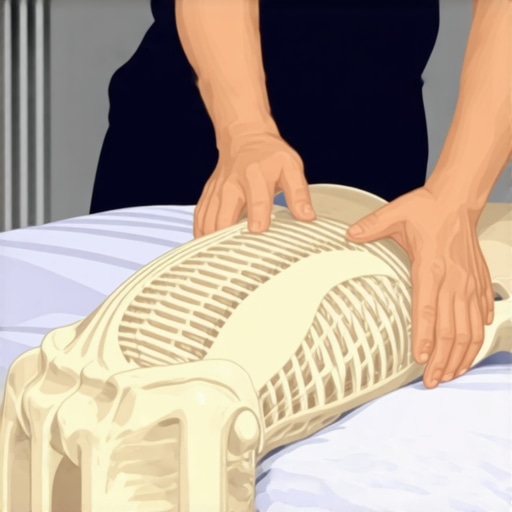
One common myth is that all spinal adjustments are equal. In reality, techniques vary significantly, and not every method suits every patient or condition. For example, a high-velocity, low-amplitude adjustment might be effective for acute pain but could be counterproductive for someone with chronic issues or osteoporosis. Skilled chiropractors assess the unique biomechanics of each individual before choosing a tailored approach, which could involve soft tissue work, mobilizations, or specific stretching routines rather than just joint manipulation.
Why does the location of the adjustment matter more than most realize?
Because targeting the wrong spinal segment can result in minimal or temporary relief, or even exacerbate issues. Advanced practitioners often evaluate the interconnected chain—from the feet up to the neck—to identify underlying dysfunctional patterns rather than simply treating the most painful spot. This holistic perspective is crucial for lasting improvements and prevention of future episodes. Recent research highlights that addressing regional mobility restrictions can significantly enhance overall spinal function ([source](https://quackersspinal.com/mastering-back-neck-pain-relief-tips-from-the-pros-300)).
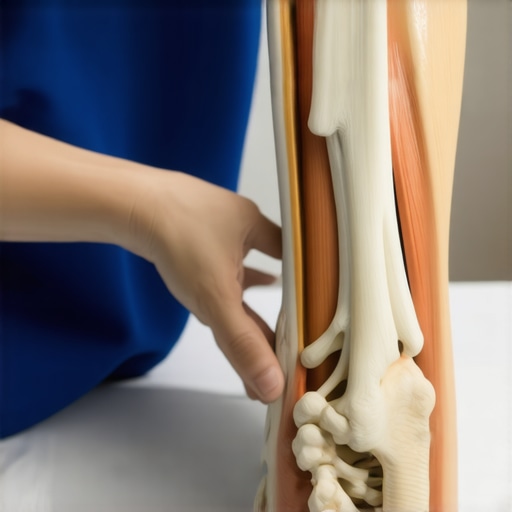
Another overlooked aspect is that spinal mobility isn’t just about joints. Fascia, the connective tissue surrounding muscles and bones, plays a massive role in movement restrictions. Many practitioners ignore this ‘hidden’ layer, yet releasing fascial adhesions through specialized techniques can unlock stubborn areas that typical adjustments miss. My own experience shows that integrating fascial release into treatment plans dramatically improves results, especially for patients with longstanding tightness.
Beware of the trap where patients think they can ‘fix’ their posture indefinitely without addressing lifestyle habits. Prolonged poor ergonomics, repetitive motions, or even sleeping positions can continually reinforce misalignments. Educating patients to modify daily habits is just as vital as the manual therapies themselves. This comprehensive approach leads to more durable improvements and reduces dependency on frequent visits.
Mastering these nuances requires experience and ongoing education. If you’re curious to refine your understanding or experience of chiropractic care, I recommend exploring expert tips for neck pain relief or methods to restore back mobility. Remember, superficial treatment rarely addresses the root cause, so look for practitioners who embrace a holistic, nuanced approach to your spinal health.
Have you ever fallen into this trap? Let me know in the comments.
Keeping It Working: Essential Tools for Long-Term Relief
Maintaining spinal health is an ongoing journey, and having the right tools can make a significant difference in preventing setbacks and scaling your mobility. My personal approach combines evidence-based equipment with consistent routines, ensuring sustained results over time. One of my top recommendations is investing in a high-quality foam roller, specifically the RumbleRoller. Its textured surface enables deep fascial release, which I personally use daily to break up adhesion patterns in my upper back and hips, vital areas that often contribute to neck and back pain. Learn more about restoring back mobility here.
Another tool I swear by is a percussive massage gun, like the Theragun. Regular use helps target deep muscle tension that’s not easily accessed by static stretching alone. I typically spend 2-3 minutes on my: trapezius, psoas muscles, and hamstrings before workouts or during breaks. Not only does this promote circulation, but it also prevents the buildup of stiffness that can aggravate neck or back issues. Recent studies, such as those highlighted in our expert guide, underscore the value of self-myofascial release techniques supported by percussive therapy for maintaining spinal health.
Complementing manual tools, I recommend using a smart posture reminder device like Upright GO. This unobtrusive gadget clips to your back or chest and vibrates when you slouch, encouraging ongoing awareness and habit correction. Since poor postural habits are often the root of chronic tension, these devices serve as a constant, gentle nudge towards mindful sitting and standing, pivotal for long-term health.
Implementing a combination of soft tissue work, smart tech, and movement routines ensures that you’re proactively addressing potential issues before they escalate. Technology in particular is trending toward more personalized, biofeedback-driven solutions. As research from our featured experts suggests, integrating these tools into your daily self-care reignites your body’s natural healing potential and scales your progress over months and years.
How do I maintain mobility and pain relief over time?
The key lies in consistency. Dedicate just 10 minutes daily to your mobility routine—incorporate rolling, stretching, and mindful postural checks. Use tools like foam rollers or massage guns to address deep-seated tension, and leverage tech devices for real-time feedback and correction. Remember, frequent small interventions are more effective than sporadic intense sessions. Over time, these habits don’t just keep your back and neck functioning—they enhance your overall quality of life.
If you’re ready to elevate your routine, I encourage you to try the advanced mobility drills I shared recently, which are designed to reinforce your body’s resilience and prevent future flare-ups. Consistent practice will make these tools second nature—and your spine will thank you for it.

Reflecting on my journey with jaw tension and mobility issues, I realize that the most profound lessons often come from unexpected sources. Here are some deep insights I uncovered along the way:
- Embracing Holistic Healing: Focusing solely on the jaw was like treating a symptom without understanding the whole story. Integrating upper back mobility strategies transformed not only my pain but also my overall wellbeing.
- Listening to Your Body’s Signals: Subtle stiffness in the upper back, neck, or shoulders often precedes more significant discomfort. Recognizing these early cues can save you from prolonged pain.
- Consistency Over Intensity: Small, daily habits—like mindful stretching or breathing—outperform sporadic intense sessions. Building these routines creates lasting change.
- Understanding Interconnectedness: Your body’s systems are a web of relationships. Addressing one area, like the upper back, can alleviate issues in seemingly unrelated regions, such as the jaw.
- Empowering Yourself with Knowledge: The more I learned about fascia, posture, and movement, the more confident I became in managing my health proactively rather than reactively.
My Toolkit for Lasting Spinal and Jaw Relief
Over years, I’ve trusted specific tools and resources that truly make a difference. For instance, the foam roller with textured surfaces has been invaluable for fascia release in my upper back. I also recommend the percussive massage gun for staying ahead of tension buildup. Additionally, tech aids like the Upright GO postural device have helped me maintain awareness and make sustainable corrections. These tools, combined with educational resources like [expert tips on neck pain relief](https://quackersspinal.com/unlocking-neck-pain-relief-expert-tips-for-lasting-comfort), form the cornerstone of my ongoing mobility journey.
Progress Starts with Your Next Step
The path to pain-free movement and jaw relief isn’t reserved for experts—it’s accessible to anyone willing to take that first proactive step. Whether it’s incorporating daily breathwork, investing in strategic tools, or seeking out holistic practitioners, your commitment can reshape your future. Remember, lasting change comes from consistent, informed action. You have the power to unlock the tension hidden in your upper back and experience the freedom of effortless movement. What small, manageable step will you try today to start your journey toward lasting relief? Share your thoughts below—I’d love to hear how you’re taking charge of your spinal health.