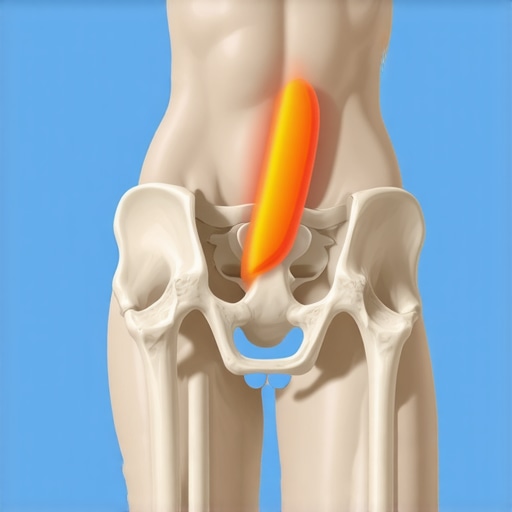
Why Your Low Back Feels Brittle After a Long Flight
Ever stepped off a plane and felt like your back turned into brittle chalk, trembling with every move? That sinking realization that your stubborn low back is somehow more fragile than a porcelain doll after a 10-hour journey. I’ve been there, mind you. Long flights have a sneaky way of turning our spines into unyielding bundles of soreness and stiffness. You’d think after all that time in a confined space, your body would come out feeling relaxed, right? Nope. It’s the opposite—your spine feels more fragile than ever.
Feeling Like a Cracked Vase After Travel
The first time I noticed this, I was at my sister’s wedding—adorable, right? But the moment I stood up after hours of flying, I felt that unmistakable twinge in my lower back, as if I had just cracked a brittle piece of ceramic. That sensation lingered for days, ruining my plans of active sightseeing and dance parties. It was like my back had suddenly lost its resilience. And I bet many of you recognize this feeling—the fragile, almost tender sensation after a long flight. It’s frustrating, disheartening, and makes you start questioning if your spine is turning into glass.
The good news? That brittleness isn’t permanent. The real trick lies in understanding why it happens and how to prevent or reverse it. In fact, I’ve spent years exploring this issue, learning from experts and experimenting with my own body. And now, I want to share what I’ve discovered—because there’s nothing more empowering than knowing how to keep your back strong, especially after travel.
What We’ll Cover Today
In this post, I’ll guide you through the key reasons why your low back feels so fragile post-flight—and more importantly, how YOU can take simple, effective steps to restore its strength and resilience. We’ll discuss common pitfalls, easy habits to adopt, and the chiropractic secrets that can make all the difference in your recovery. By the end, you’ll have a clear roadmap to prevent this brittleness and keep your low back healthy even after the longest journeys.
Is Your Low Back Feeling Brittler Than It Should?
Let me admit a mistake I made early in my journey. I overlooked the simple fact that many of us push through pain, dismissing early signs of fragility as normal aging or fatigue. That early oversight led me to ignore critical clues my body was sending—clues that could’ve been acted upon sooner. Now I realize that understanding your body’s signals is essential—don’t let dismissiveness be your default. For more insights on optimizing your spinal health, check out mastering back and neck pain relief.
Secure Your Post-Flight Routine
Immediately after arriving home, avoid collapsing onto the couch or bed. Instead, stand tall, engage your core muscles by tightening your abdominal area (imagine pulling your belly button towards your spine), and take a few deep breaths to reset your posture. This action helps prevent your spine from settling into a slouched or strained position, which can exacerbate fragility.
Implement Targeted Stretching and Mobility Exercises
Identify Tight Areas and Address Them
I remember a time when I noticed my hamstrings and hip flexors felt painfully tight after a long flight. To combat this, I performed a series of gentle stretches, including the seated hamstring stretch and hip openers. Holding each for 20-30 seconds helped release tension, increase blood flow, and restore flexibility. Regular stretching, particularly focusing on muscles pulling on your pelvis, reduces strain on the lower back and enhances mobility. You can learn more about effective neck and back stretches at mobility strategies.
Strengthen Your Core and Back Muscles
Think of your core as the building foundation for your spine—without it, your back is vulnerable like a fragile tower. Incorporate exercises such as the pelvic tilts, dead bugs, and bridges. For example, I added the glute bridge to my routine; however, I initially performed it incorrectly, which caused mild discomfort. Adjusting my technique—engaging my glutes and not overextending my lower back—made this exercise highly effective. Consistent core strengthening creates a resilient support system, much like tightening the bolts on a machine, preventing future brittleness. For detailed guidance, check chiropractic secrets.
Proper Posture and Ergonomics
Imagine your spine as a stack of balanced books; if one book slips, the whole stack becomes unstable. After a flight, evaluate your daily environment—your chair height, desk setup, even how you hold your phone. A misaligned posture can perpetuate fragility. I once caught myself slouching at my desk, which intensified back pain. Adjusting my chair height, supporting my lower back with a lumbar roll, and keeping my monitor at eye level helped me maintain proper alignment. Small tweaks like these significantly reinforce your spinal resilience. You might find useful tips at ergonomic hacks.
Incorporate Gentle Movement Throughout the Day
Think of your spine as a freshly baked loaf; it needs regular kneading to maintain elasticity. After prolonged sitting or lying down, stand, walk, and perform light spinal movements. For example, I practiced gentle torso twists and knee-to-chest stretches every hour. These movements stimulate synovial fluid in your joints, which lubricates and nourishes your discs—reducing brittleness. Avoid static positions for too long, and aim for short movement breaks. To deepen your understanding, explore mobility techniques.
Leverage Chiropractic Care for Long-Term Support
If you notice persistent fragility, consulting a chiropractor can realign your spine, release tension, and reinforce your body’s resilience. Think of chiropractic adjustments as tuning a musical instrument; regular tuning ensures harmony and reduces the risk of brittleness. I once visited a chiropractor after a particularly stressful trip; the gentle adjustments restored my back’s strength and prevented future pain episodes. For comprehensive insight into chiropractic strategies, see chiropractic strategies.
Monitor and Modify Your Habits
Finally, stay attentive to how your body responds to different activities. Keeping a journal of movements, stretches, and habits helps identify triggers that increase fragility. Over time, by adjusting your routines based on these insights—like avoiding prolonged sitting or heavy lifting—you reinforce your back’s resilience. Remember, consistent small steps are more effective than sporadic intense efforts. For additional guidance, visit your personalized plan.
Many assume that neck pain is simply a matter of stiff muscles or a pinched nerve, but the reality is far more complex — and understanding this nuance can dramatically improve treatment outcomes. A common misconception is that all chiropractors focus solely on cracking bones; however, effective care involves much more intricate assessments of spinal and muscular interactions. In fact, research shows that addressing the stability of the cervical spine through soft tissue therapy and functional movement analysis often yields better long-term relief than quick adjustments alone.
Why do some patients experience persistent neck pain despite regular chiropractic visits?
This is a crucial question for advanced practitioners. Often, the root issue isn’t just local joint misalignments but hidden neuromuscular compensation patterns and postural habits that reinforce pain cycles. Neglecting these factors can lead to temporary relief but not lasting change. As highlighted in a review in the Journal of Manipulative and Physiological Therapeutics, a holistic approach that combines spinal adjustments with targeted strengthening and ergonomics results in more durable improvements.
Another trap many fall into is believing that more frequent chiropractic visits will accelerate healing. In reality, over-treatment can sometimes reinforce maladaptive movement patterns or create dependency, hindering true recovery. The key is personalized care that emphasizes educating patients on self-management strategies, including mobility exercises and habit modifications. For expert tips on developing a comprehensive neck pain management plan, consider exploring effective neck pain management.
Advanced practitioners should also consider the importance of assessing the entire kinetic chain. For example, poor shoulder posture or limited thoracic mobility can place undue stress on cervical segments, perpetuating pain even if local adjustments are performed. Integrating functional assessments and corrective exercises into chiropractic care recognizes these interconnected influences. You can find practical strategies in mobility-focused treatments that complement spinal manipulations.
Have you ever fallen into this trap of thinking that just cracking your neck will solve the problem? Let me know in the comments — often, real progress requires digging deeper into the nuances most people overlook. Remember, understanding the full picture helps you work smarter, not just harder, in your quest for lasting relief.
Maintaining your spinal health over the long term requires more than just periodic visits to your chiropractor; it involves leveraging effective tools and methods that fit into your daily routine. As someone deeply committed to optimizing my mobility and reducing back pain, I’ve curated a set of tried-and-true equipment and techniques that have made a significant difference. These tools are not arbitrary selections—they’re chosen for their proven efficacy and how seamlessly they integrate into a holistic approach to back care.
Personalized Mobilization with Foam Rollers
One staple in my toolkit is the high-density foam roller. Unlike basic foam rollers, I prefer a slightly firmer one because it allows me to target deep tissue tightness around my upper back and hips. Regular usage—about five minutes a day—helps maintain my thoracic mobility and prevents the stiffness that commonly follows prolonged sitting or commuting. I focus on rolling the thoracic spine and hips, areas often overlooked but crucial to spinal stability. Using a foam roller prepares my muscles to handle daily stresses and complements my chiropractic adjustments by enhancing tissue flexibility.
Smart Posture Monitors to Stay on Track
Next is the use of wearable posture monitors. I utilize a discreet, Bluetooth-enabled device that vibrates subtly whenever I slouch or deviate from proper alignment. This immediate feedback keeps me conscious of my posture throughout the day, especially during long desk hours. It’s empowered me to develop better habits—like using ergonomic supports or adjusting my sitting position—and reduces reliance on reactive treatments. As posture correction is a cornerstone of long-term back health, real-time cues make a tangible difference.
Dedicated Mobility Apps and Programmed Reminders
Technology can be a game-changer if used intentionally. I recommend apps that guide you through brief mobility routines tailored to your needs. I personally set alarms every hour to perform specific stretches—like the lateral lunges or thoracic rotations—that invigorate my spine and prevent stiffness. These routines are based on proven methods, such as the mobility drills detailed in mobility strategies. Consistency is key; a few minutes every hour maintains the fluidity and resilience of your spinal tissues, especially when combined with chiropractic care.
Scaling Up for Long-Term Gains
Looking ahead, I predict a growing trend toward integrating smart home systems—like adjustable standing desks and voice-controlled ergonomic setups—that facilitate better posture management seamlessly. Also, advancements in biofeedback devices will refine how we monitor and correct spine-related issues in real time. Embracing these technologies now positions you at the forefront of sustainable spinal health.
How do I maintain my mobility and back health over time?
Building on these tools, the most effective strategy involves a proactive routine—combining targeted exercises, ergonomic setups, and consistent use of supportive equipment. I encourage you to incorporate the use of a foam roller into your daily habits and explore posture-monitoring gadgets. For an elevated approach, try setting periodic reminders to perform mobility drills, ensuring your spine stays resilient. Remember, the small, consistent application of these tools creates a foundation that supports your body’s natural healing processes and prevents fragility. Ready to try one? Begin with a quick session of thoracic rolling today—that simple act can preserve your mobility and reduce dependency on reactive treatments. If you’re interested in deepening your understanding of long-term back health, visit mastering back and neck pain relief for expert insights. Your spine will thank you for it.
Lessons Hidden in Plain Sight: My Unexpected Discoveries
One of the most profound lessons I learned was that cause and effect in spinal health aren’t always straightforward. I used to believe that pain was merely a symptom to be suppressed, but I soon realized it was a message—sometimes a cry for help that needed listening, not just masking. Embracing this perspective transformed my approach, making me more observant of subtle signs and early warnings that my body was giving me, which ultimately kept my neck and back healthier longer.
Another lightbulb moment came when I recognized how essential consistency is. There’s a common misconception that occasional stretches or chiropractic visits are enough, but my experience proved otherwise. True resilience comes from daily habits—small, deliberate actions that reinforce your body’s natural strength and mobility. This shift in mindset was crucial; it turned mundane routines into powerful tools for lasting health.
I also discovered that technology, when used wisely, can significantly enhance spinal care. Simple tools like posture monitors and mobility apps didn’t just remind me to move—they empowered me to take control. These devices helped me fine-tune my habits, making proactive spine health manageable amidst a busy life. My advice? Experiment with what works for you—personalized routines are often the most effective.
Lastly, I learned that the mind plays a pivotal role. Stress and mental tension often manifest physically, particularly in the neck and upper back. Incorporating mindfulness and breathing techniques didn’t just reduce stress—they relaxed my muscles and improved mobility. Recognizing this mind-body connection was a game-changer, reminding me that holistic health encompasses both the physical and emotional aspects of well-being.
Tools That Changed My Perspective on Back and Neck Care
The first game-changer was a high-quality foam roller. I trust it because of its ability to target deep tissues safely and effectively—regular rolling around my thoracic spine and hips made a noticeable difference in my flexibility. I recommend trying a dense foam roller; it’s accessible and transforms the way your muscles respond to daily stresses. Pairing this with targeted stretches, like thoracic openers, can save your neck from unnecessary stiffness.
Next up is a smart posture monitor. This tiny device vibrates gently whenever I slump or forget to maintain proper alignment. It’s become my silent coach, reminding me to stay upright and aware. Since integrating it, I’ve experienced fewer tension headaches and a more natural neck posture throughout the day. If you’re serious about long-term neck health, this kind of real-time feedback can be invaluable.
For structured mobility routines, I rely on dedicated apps that guide short daily sessions. These routines include neck rotations, scapular resets, and breath work—all tailored to my needs. Setting hourly reminders keeps me consistent, and the results are tangible—less pain, more range, and a sense of empowerment. Find routines that resonate with you and commit to a few minutes each day.
Finally, I can’t overstate the importance of ergonomic tools. Adjustable desks, lumbar supports, and properly positioned screens have been instrumental in maintaining spinal alignment. Small investments in your workspace can prevent years of chronic pain and stiffness—think of it as tuning your environment for your body’s longevity. For ergonomic insights, exploring how subtle adjustments can make a big difference is worth your time.
Overall, these tools and insights shift the narrative from reactive fixes to proactive mastery. The journey to resilient neck and back health isn’t about overnight fixes but consistent, informed choices. I encourage you to experiment with some of these tools, watch your body respond, and enjoy the newfound vitality that comes with taking control. Remember, your spine is your foundation—nurture it with awareness, deliberate action, and patience. For deeper insights, visit mastering back and neck pain relief and start transforming your spinal story today.