Why your shoe choice affects your pelvic tilt and back pain
It hit me unexpectedly one morning—a dull ache deep in my lower back that seemed to worsen with every step. No heavy lifting, no dramatic twist. Just my daily walk, suddenly uncomfortable. That was my lightbulb moment: my choice of footwear was quietly messing with my pelvic tilt and leading to persistent pain. I never thought a simple pair of shoes could have such a profound impact on my spinal health, but the truth is, our feet are the foundation of our posture and mobility. Small adjustments here can ripple upwards, affecting everything from how your pelvis tilts to whether your back aches at the end of the day.
Why the Shoes You Wear Might Be Undermining Your Back Health
Imagine walking around all day in shoes that don’t support your natural stride. Over time, this can cause your pelvis to tilt improperly, which in turn strains your lower back and can contribute to discomfort and even long-term dysfunction. I discovered that flimsy flats or high heels don’t just look stylish—they can shift your pelvis out of its optimal position, throwing off your entire spinal alignment. And the bad news? This misalignment often manifests as back pain, stiffness, or even sciatica.
What I learned through my journey, and what I want to share, is that paying attention to your footwear isn’t superficial—it’s essential. The shoes we choose influence our gait, which directly affects our pelvic tilt and the health of our back. When your posture isn’t aligned, your muscles have to work harder to compensate, leading to fatigue and pain.
If you’ve been battling chronic back or pelvic discomfort, it might be time to consider how your shoes are affecting your body. From supportive insoles to choosing shoes that promote proper biomechanics, small changes can make a big difference. I highly recommend exploring how chiropractic techniques can help correct these misalignments. For instance, techniques discussed in [boost mobility and ease pain](https://quackersspinal.com/boost-mobility-ease-pain-chiropractic-techniques-unveiled) can be particularly effective.
Are you aware of how your footwear choices might be subtly contributing to your discomfort? If this sounds like your experience, keep reading. We’ll dive into practical steps to assess and improve your shoe habits, along with other lifestyle tweaks to support proper pelvic and spinal alignment. Because, honestly, taking control of these small details can lead to significant relief and healthier mobility.
Start With Footwear Choices
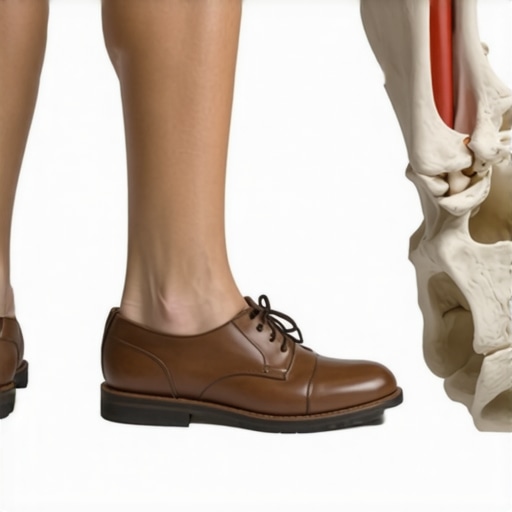
Replace worn-out or unsupportive shoes with those designed to promote natural foot mechanics, such as minimalistic or orthopedically supportive options. I once swapped my flimsy flats for a pair of sneakers with firm arch support and noticed immediate relief in my pelvic and lower back discomfort. Ensuring your shoes offer good arch support and a stable sole helps maintain proper foot alignment, which directly influences pelvic positioning.
Assess Your Gait and Posture
Stand in front of a mirror or record yourself walking to observe your gait. Look for overpronation, uneven stride length, or leaning. A common issue I encountered was my tendency to tilt one foot inward, causing pelvic tilt. Recognizing these habits is crucial. Address imbalances with targeted exercises, such as strengthening the muscles that support your arch, or consult a footwear specialist for custom insoles.
Integrate Mobility Drills for Pelvic Reset
Incorporate simple mobility drills like pelvic tilts, cat-cow stretches, and hip circles daily. These exercises help reset your pelvis, reducing strain. I found that doing 10 minutes of gentle pelvic movements every morning markedly decreased my morning stiffness. These movements act like a reset button, encouraging your pelvis to find its natural position and preventing misalignments from settling in.
Apply Chiropractic Techniques for Alignment Correction
Seek professional chiropractic care to address misalignments. Techniques such as gentle spinal adjustments or pelvic realignment can restore proper biomechanics. I visited a chiropractor who used specific adjustments to correct my pelvic tilt, resulting in a noticeable decrease in back pain within a few sessions. Regular treatments focus on restoring movement and reducing nerve interference, which enhances overall mobility.
Use Supportive Aids Strategically
Consider orthotic inserts or lumbar supports during daily activities. For example, my chiropractor recommended a custom orthotic that corrected my arch and alleviated pelvic strain. Proper support reduces compensatory movements, sharing the load more evenly across muscles and joints. This approach acts as a foundation, allowing other corrective measures to work more effectively.
Maintain Consistency and Monitor Progress
Track your pain levels, mobility, and posture improvements over weeks. Consistency is key; sporadic exercises or support use diminish results. I kept a journal of my daily routines and noticed gradual improvements in back comfort. Small, sustained changes reinforce good habits and help your body adopt correct alignment patterns fully.
Remember, addressing footwear habits and integrating chiropractic techniques are interconnected steps that forge a path toward lasting relief. By systematically applying these methods, you can proactively manage and improve your back health, preventing future discomfort and enhancing mobility.
Many believe that simply stretching or taking painkillers resolves chronic back issues, but this oversimplification often leads us astray. The common myth that exertion or immediate relief strategies are enough ignores the complex interplay of biomechanics and nerve function involved in back pain. *In my experience, trusting quick fixes without addressing underlying ‘hidden’ issues can worsen the condition over time.* For instance, relying solely on analgesics may mask symptoms but do little to correct muscle imbalances or structural misalignments that perpetuate the pain.
A frequent trap is the misconception that pain always originates from the site we feel it. Often, the real problem lurks elsewhere—misaligned hips, poor core stability, or nerve irritation that stems from the neck or pelvis. This oversight can stagnate recovery. Advanced techniques, like targeted chiropractic adjustments, can correct these hidden misalignments. For example, seeking professional care for specific joint restrictions, as described in [chiropractic secrets to regain mobility](https://quackersspinal.com/chiropractic-secrets-to-regain-full-mobility-after-injury), often unlocks buried dysfunctions.
### What makes some strategies ineffective for real back health?
Many programs focus on superficial strengthening or generic stretches, which sometimes exacerbate issues, especially when done improperly. For example, traditional core exercises might worsen back pain if they reinforce poor movement patterns. Instead, focusing on *core stabilization* that respects individual biomechanics is crucial. Studies show that specific stability exercises tailored to the individual’s condition can significantly reduce pain and improve function, as highlighted by experts in [back pain recovery](https://quackersspinal.com/back-pain-recovery-how-chiropractic-care-transforms-lives).
A risky misconception is believing that pain should always be eradicated quickly. While pain relief is important, rushing outcomes can lead to neglecting the root causes. Persistent discomfort often indicates deeper issues like nerve impingement or joint restrictions that require nuanced interventions. This is where *advanced chiropractic techniques* shine, targeting the source rather than just damping the symptoms.
Moreover, many fall into the trap of neglecting mobility in daily routines. Restoring movement and flexibility, especially in neglected areas like the thoracic spine or hips, can dramatically improve long-term outcomes. Regularly practicing mobility drills, such as those in [boost mobility and ease pain](https://quackersspinal.com/boost-mobility-ease-pain-chiropractic-techniques-unveiled), prevents the vicious cycle of stiffness leading to pain.
Finally, avoid the pitfall of misdiagnosis. Neck issues often masquerade as back pain, and vice versa. Consulting a specialist who uses comprehensive assessment tools ensures that the treatment plan addresses all contributing factors. As I often emphasize, *a multidisciplinary approach—combining chiropractic, movement therapy, and education—is key to sustainable relief.*
Have you ever fallen into this trap? Let me know in the comments. Recognizing these hidden nuances can dramatically alter your perception and management of back pain, leading to lasting mobility and comfort.Maintaining back health requires more than just occasional stretches or visits to the chiropractor; it demands a set of reliable tools and consistent routines that support ongoing mobility and pain-free living. Over time, I’ve refined my arsenal to include specific equipment and methods that have truly made a difference. For instance, I swear by a foam roller with a medium density—particularly the trigger point foam roller—which I use daily to loosen up my thoracic spine and hips before starting work or exercise. This device allows me to target tight areas precisely, reducing muscle tension that often contributes to misalignments and discomfort. Regular use of the foam roller has been linked to improved tissue extensibility, which is essential for maintaining mobility as we age.
Another essential tool in my regimen is the use of a stability ball during office breaks. Sitting on it for 5-10 minutes while performing gentle pelvic tilts or core activation exercises has helped strengthen my deep abdominal muscles, which play a crucial role in supporting the spine. Unlike traditional chairs, the instability of a ball encourages active engagement of stabilizer muscles, preventing the weakening that can lead to chronic pain.
In terms of software, I rely heavily on mobility-tracking apps like myExercisePal. These programs help me monitor how often and how well I’m moving, ensuring I don’t slip into sedentary patterns that can exacerbate back issues. They provide gentle reminders to stand, stretch, or perform specific mobility drills, making consistency easier to sustain.
Long-term results stem from integrating these tools into daily habits. My routine now includes several short mobility sessions using a combination of foam rolling, targeted stretches, and stability exercises, which have significantly reduced flare-ups and improved my overall flexibility. Importantly, keeping track with apps or journals enables me to notice patterns and adjust proactively.
Looking ahead, I predict that technological advancements will make personalized, real-time feedback devices more mainstream. Wearables that continuously monitor posture or muscle activation could soon alert us immediately when we stray from proper alignment, preventing issues before they arise.
**How do I maintain back health over time?** Incorporating a variety of tools—like foam rollers, stability balls, and mobility tracking apps—along with consistent practice is vital. Regularly practicing targeted exercises, and staying aware of your body’s signals through technology, can dramatically enhance your long-term mobility and comfort.
If you’re ready to take a proactive step, I recommend trying a daily self-myofascial release with a foam roller to start unlocking tight muscles and supporting better posture. Remember, small, consistent actions today pave the way for a healthier back tomorrow. For more detailed strategies, explore posts like [boost mobility and ease pain](https://quackersspinal.com/boost-mobility-ease-pain-chiropractic-techniques-unveiled) and [mastering back and neck pain relief](https://quackersspinal.com/mastering-back-neck-pain-relief-tips-from-the-pros-300). Keep experimenting with these tools, and over time you’ll build resilience and freedom in your daily movement.
The Hidden Lessons That Changed the Game
One of the most profound lessons I learned was how deeply ingrained habits can sabotage progress. I once believed stretching was enough, but I realized that without addressing underlying misalignments, relief was only temporary. Recognizing my tendency to ignore subtle cues like muscle tightness or uneven gait helped me catch issues before they became painful.
I also discovered that patience trumps quick fixes. Immediate pain relief can be tempting, but sustainable back health demands consistency and a commitment to small daily improvements. My lightbulb moment was understanding that proactive adjustments—like regularly supporting my feet and maintaining mobility exercises—paved the way for lasting comfort.
Lastly, trusting professionals who understand the intricacies of spinal biomechanics made all the difference. Their tailored approaches, from targeted chiropractic adjustments to personalized mobility routines, taught me that individualized care beats generic solutions every time.
Tools That Made a Difference in My Back Journey
My essential toolkit includes a quality foam roller, which helps release tight tissues and improve flexibility. I swear by the medium-density version, as it effectively targets deep muscles without causing discomfort, supporting my efforts to maintain proper alignment. For ongoing mobility tracking, apps like myExercisePal keep me accountable and aware of my movement patterns.
Supporting my back with an adjustable lumbar pillow during long work sessions has prevented unnecessary strain, and I often incorporate stability balls into my daily routine to enhance core strength and posture awareness. Additionally, the resources I trust most include comprehensive guides like those found in [boost mobility and ease pain](https://quackersspinal.com/boost-mobility-ease-pain-chiropractic-techniques-unveiled), which offer actionable techniques I can incorporate anywhere.
Your Turn to Rewrite Your Back Story
Remember, real change comes from consistent effort and trusting in targeted strategies. Whether it’s adjusting your footwear, integrating mobility drills, or seeking professional care, each small step accumulates into a healthier, more resilient back. Don’t wait for pain to mandate action—begin today and take charge of your mobility and comfort.
Have you ever experienced a breakthrough moment in your back health journey that shifted your perspective? Share your story below—I’d love to hear how small changes made a big impact for you.