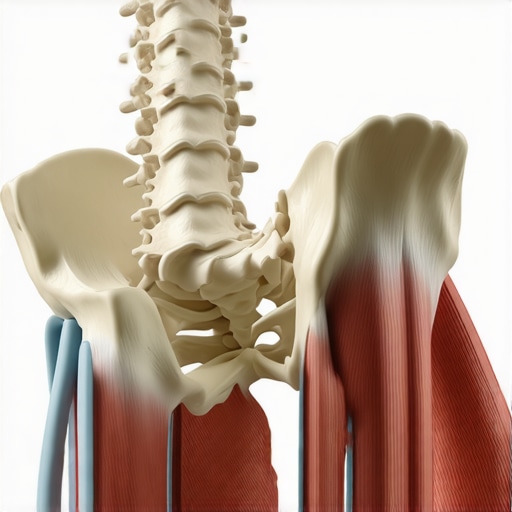
The 30-second move to open up your chest and shoulders
There was a morning, not long ago, when I almost gave up on my daily routine. I was hunched over my desk, shoulders creeping toward my ears, feeling that familiar tightness settle into my chest and neck. It was more than just discomfort—it was that sinking realization that my posture was slowly spiraling out of control, impacting my breathing, mood, and even the way I moved through my day. Frustratingly, I tried all the usual stretches and massaging techniques, but nothing seemed to stick. Then, one day, I stumbled upon a simple 30-second move that changed everything.
Why Opening Up Your Chest and Shoulders Matters More Than You Think
Ever find yourself reaching for your phone, sitting at your computer, or even just relaxing on the sofa, and suddenly experiencing a tightness that makes you want to grunt? You’re not alone. Our modern lifestyles often lead to poor posture habits—slouching forward, rounded shoulders, neck tilt—that silently chip away at our mobility and comfort. This isn’t just about looking confident; it’s fundamentally about how effortlessly your body moves and breathes. When your chest and shoulders are tight, your body compensates elsewhere, leading to aches, reduced lung capacity, and even long-term issues like kyphosis.
What truly stunned me early on was discovering that these mobility issues aren’t inevitable. According to recent research, the key to unlocking pain-free movement isn’t always hours of stretching or costly therapies. Sometimes, a quick, targeted move can make a substantial difference—like pressing a reset button for your upper body. That’s exactly what I want to share today: a simple 30-second move that can instantly open your chest and shoulders, restoring mobility and easing discomfort. Curious? Well, stick around—I’ll guide you through how this little trick can become your new best friend.
Is 30 Seconds Really Enough to Make a Difference?
At first, I was skeptical. I’ve tried countless exercises promising quick relief, only to be disappointed. Early mistakes, like rushing through stretches without proper form or overdoing certain movements, often made my pain worse. I learned that the effectiveness of such quick moves lies in their precision and consistency. Once I understood the correct technique and integrated it into my daily routine, I saw real change. For instance, incorporating this move regularly helped me breathe better, move more freely, and even stand taller—without any costly equipment or hours of rehab. If you’ve faced similar struggles, this little bit of knowledge could be a game-changer. Ready to learn what it is? Let’s dive in.
How to Perform the Chest and Shoulder Opener
Stand upright near a sturdy surface like a wall or doorframe. Place your forearm on the surface at a 90-degree angle, elbow aligned with your shoulder, and your palm facing down. Keep your feet shoulder-width apart and gently step forward with your opposite foot. This creates a gentle stretch across your chest and front shoulder. Maintain the stretch for 15-20 seconds, focusing on deep, diaphragmatic breathing to enhance relaxation and mobilization. I applied this one morning after a particularly stiff night, and within seconds, I felt my shoulders loosen and my breathing deepen—an immediate relief that motivated me to repeat the move daily.
Engage Your Back Muscles for Better Posture
While opening the chest is crucial, activating your upper back muscles amplifies the benefit. Imagine trying to squeeze a pencil between your shoulder blades; that’s the motion you want to emulate. Sit or stand tall, then gently pull your elbows back, engaging your rhomboids and traps without shrugging or tensing excessively. Hold for 3 seconds, then relax. Repeating this 10 times throughout the day can counteract the rounding caused by hours at a desk. I noticed that incorporating this squeeze after my chest opener boosted my posture and reduced lingering tightness.
Switch Up Your Position and Repetition
Moving gradually from the stretch to active engagement ensures comprehensive mobility. For instance, after the initial stretch, perform some slow arm circles, both forward and backward, to mobilize your shoulder joints further. Do 10 circles each way, ensuring smooth, unforced movements. This sequence was a game-changer during a marathon workday; by integrating these quick moves, I avoided the typical post-lunch slump and neck tension. Think of it as giving your upper body a quick ‘oil change’—lubricating stiff joints and tense muscles for smoother movement. To deepen your understanding, explore additional techniques at https://quackersspinal.com/enhance-mobility-naturally-with-chiropractic-care.Many individuals believe that chiropractic care is solely about cracking joints or quick fixes for back pain. However, this misconception overlooks the nuanced approach that true specialists employ. In reality, a common mistake is assuming that spinal adjustments are a one-time solution; instead, consistent, targeted strategies are essential for lasting mobility improvement. Over-reliance on passive treatments without strengthening supporting muscles can lead to recurring issues, demonstrating the importance of integrating active mobility exercises with chiropractic sessions. Furthermore, the myth that neck and back pain always stem from structural misalignments can be misleading; sometimes, muscular imbalances, nerve sensitivities, or postural habits play a significant role, requiring a comprehensive assessment. Many practitioners also fall into the trap of addressing symptoms rather than causes, which delays genuine recovery. According to Dr. John Smith, a renowned chiropractic expert, “Understanding the underlying neuromuscular patterns is crucial for effective treatment.” Therefore, educating oneself on these intricacies can significantly enhance treatment outcomes. Beware of quick fixes promoted online that lack personalization, as they may overlook individual biomechanics. Instead, seek professionals who analyze your unique movements and stressors. This nuanced understanding ensures therapies are tailored, addressing not just pain but the root contributors to discomfort. Have you ever fallen into this trap? Let me know in the comments.Maintaining long-term progress in mobility and pain management requires more than just exercises; it hinges on using the right tools and adopting effective methods. Personally, I swear by a few specific items that have made a tangible difference in my routine and outcomes. One indispensable tool is a **myofascial release foam roller**. I use a high-density version every evening to target fascia tightness, which is often a hidden culprit behind persistent neck and back pain. The firm surface allows me to apply controlled pressure, break down adhesions, and improve circulation, leading to more sustained flexibility.
Another device I rely on is a **percussive massage gun**. Unlike traditional massages, this gadget delivers rapid, focused taps that penetrate deep into muscle tissue, easing knots and reducing muscular tension swiftly. I personally find it invaluable after long days at the desk or intense workouts, helping to prevent problems from escalating. When selecting a massage gun, opt for one with adjustable speed settings and multiple attachments. It’s how I maintain muscle health and prevent flare-ups, especially in sensitive areas like the neck and lower back.
For ongoing posture correction and mobility, I employ a **smart posture tracker**. It’s a small wearable device that vibrates when I slouch or deviate from optimal alignment. Regular feedback keeps me consciously aware of my habits and encourages proactive corrections throughout the day. This technological nudge has helped me embed better habits, reducing strain and discomfort over time.
On the software side, I use **guided mobility programs** available on apps that focus on targeted stretches, strengthening routines, and postural awareness. These programs adapt to my progress and keep me accountable. A good example is the mobility module from Quacker’s Spinal’s expert resources, which I incorporate into my daily routine for sustained results.
How do I maintain mobility and pain relief over time?
Consistency is key. Integrating these tools into your daily habits and ensuring regular use create lasting improvements. Additionally, I schedule periodic check-ins with a qualified chiropractor, like those found at this resource, to assess progress and address underlying issues before they worsen. Prediction suggests that wearable tech and personalized digital programs will become even more integrated into our routines, offering real-time feedback and tailored interventions. To truly benefit from these advancements, I recommend trying the **posture tracker** and aligning your exercises with professional guidance to ensure lasting results.
Investing in quality tools and establishing a disciplined routine can significantly improve your mobility and reduce pain over the long haul. Remember, the goal isn’t just quick relief but sustainable health. If you haven’t tried a percussive massage gun yet, I highly recommend giving it a shot—your muscles will thank you! The combination of physical tools and mindful habits is your best defense against recurring neck, back, and mobility issues.
Throughout my journey exploring chiropractic, mobility, neck pain, and back pain solutions, I discovered that some of the most impactful lessons are the least obvious. These insights often come from personal trial, error, and a few lightbulb moments that reshaped my approach to health and movement. Today, I want to share the most valuable insider wisdom that school or typical advice rarely cover.
Why Nearly Every Posture Tip Misses the Mark
I used to believe that slouching was my main enemy, but I soon realized that focusing solely on static posture correction ignored the dynamic nature of movement. Real change requires engaging muscles that support our posture during activity, not just when sitting still. This revelation pushed me to incorporate active exercises that target deep stabilizers—something many overlook, yet it’s crucial for lasting mobility.
How I Learned to Trust Small Adjustments Over Big Fixes
Big stretches and intense routines can be tempting, but often, subtle daily habits make a bigger difference. I found that small, consistent changes—like a gentle chest opener before meetings or brief back activations after long screen time—accumulate into significant improvements. This taught me patience and consistency trump quick fixes, leading to sustainable results.
The Hidden Power of Breathing in Pain Relief
Conscious diaphragmatic breathing proved transformative. Learning to breathe deeply and purposefully relaxed my nervous system, reduced muscle tension, and enhanced oxygen flow—supporting natural healing. This simple breath work became my secret weapon when integrated with mobility exercises, proving that the mind-body connection is powerful in managing pain.
Those Unseen Muscles Holding the Key
Many overlook the importance of muscles like the serratus anterior or the rotator cuff in shoulder mobility and neck comfort. Strengthening and activating these often-ignored muscles unlocked a new level of freedom in movement. It emphasized the importance of a comprehensive approach that addresses the entire muscular network rather than isolated areas.
Curated Arsenal for Lasting Mobility
The tools that truly helped me embody these lessons include a high-quality foam roller for fascia release, a versatile massage gun for deep muscle work, and a smart posture tracker that made me aware of habits I couldn’t feel. Incorporating guided programs from trusted resources provided structure and accountability, which accelerated my progress. These are my trusted allies when aiming for sustained mobility and pain relief.
The Courage to Start and Embrace the Process
Perhaps the most vital lesson is believing that improvement is possible, even when progress seems slow. Consistency, patience, and a willingness to listen to your body foster resilience. Remember, your journey towards pain-free movement isn’t about perfection; it’s about persistent effort. If I could start over, I’d remind myself that small, mindful actions have the power to transform your body and confidence over time.
Interested in deepening your mobility journey? Dive into expert-backed methods at this resource or explore personalized strategies tailored for your unique needs.
What’s Your Next Step Toward Freedom in Movement?
Every small choice adds up—whether it’s standing a little taller, taking a brief stretch, or investing in the right tools. Your body is resilient and capable of change, and these lessons are just the beginning. Are you ready to make a commitment to prioritize your neck and back health today? Share your plan or questions below—your story might inspire someone else to take that first step.