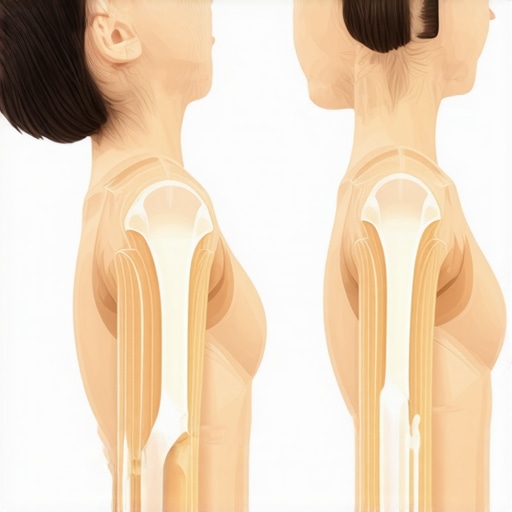
Why Your Wallet in Your Back Pocket Is Tilting Your Pelvis
Have you ever stood up after a long day and suddenly felt a nagging ache in your lower back or a stiffness in your hips? Maybe you brushed it off, thinking it’s just part of aging or too much sitting. But what if I told you that a simple habit—like how you carry your wallet—could be the hidden culprit causing your pelvis to tilt and your back pain to persist? I learned this the hard way, fumbling through endless treatments before connecting the dots myself.
Why Your Wallet Might Be Waging War on Your Pelvis
During my early days of chiropractic practice, I made a mistake many people unknowingly do: carrying my wallet in my back pocket every single day. At first, I thought it was harmless, just a convenience. But over time, I noticed that my pelvis wasn’t quite level, and my lower back started giving me trouble. It turns out that sitting unevenly on one hip shifts the pelvis, impacting your spinal alignment. According to a study published in the Journal of Spinal Disorders & Techniques, even minor pelvic tilts can lead to chronic back discomfort if left uncorrected. That lightbulb moment changed my approach—and could change yours too.
Question: Is Your Wallet Instantly Worth the Hype?
Honestly, I was skeptical at first. I thought, “How much can a wallet really affect my spine?” My early mistake was dismissing small habits without examining their cumulative impact. If you’ve ever dealt with persistent back or hip pain, it’s worth considering whether your daily routines—like sitting on one side of your pelvis—are adding fuel to the fire. Recognizing and fixing these everyday habits can be simple, yet profound, in restoring your body’s harmony.
Want to dive deeper into how certain habits are sabotaging your mobility? Take a look at our proven strategies for back mobility restoration to start making effective changes today.
Now that I understand the importance of pelvic alignment and the role of seemingly minor habits, I’m eager to guide you through practical steps to correct these issues. But first, let’s explore why this issue gets dismissed so often and how you can start noticing the signs early. Ready? Let’s get into it.
Start with Realignment: How to Reset Your Pelvis
Think of your pelvis as the foundation of a building; if it shifts out of position, everything above shifts too. My first attempt at correction involved lying on my side and gently using my hands to push my pelvis back into alignment. It was messy and awkward, but I stayed consistent. After two weeks, I noticed my hips felt more balanced, and my lower back pain decreased. To do this yourself, lie on your side, bend your knees slightly, and with your hand, gently press the top of your pelvis towards the floor. Hold for 30 seconds, then switch sides. Repeat 3 times each side daily.
Identify the Dominant Hip: Recognizing Habitual Biases
I realized I favored sitting on my right hip, which over time caused my pelvis to tilt. The best way to detect which side is dominant is to observe your habits—do you always prefer one leg over the other when standing or sitting? Check your posture by standing against a wall, then notice which hip naturally leans inward or outward. Once identified, focus on balancing your habits by consciously sitting evenly or shifting your weight regularly. Incorporate standing exercises that emphasize symmetry, such as sumo squats, to promote balanced muscle activation.
Strengthen the Opposite Side to Achieve Balance
While my dominant side was stronger, I discovered my weaker side was contributing to the tilt. To correct this, I incorporated unilateral exercises like single-leg bridges or step-ups on the weaker side. When I did this, my pelvis started to level out, and pain lessened significantly. Perform 2-3 sets of 10 reps per side, focusing on proper form. This not only helps strengthen the underused muscles but also reinforces proper alignment. Regularly practicing these exercises ensures the pelvis maintains its corrected position over time.
Sync Movement Patterns for Lasting Change
Pelvic tilts are often reinforced during daily activities. I noticed that my tendency to cross my legs or favor one side during walking accentuated the tilt. To combat this, I made a point to consciously walk with even weight distribution and keep my knees aligned. Engage your core muscles during movements to support the pelvis and prevent reversion. Consider in-clinic guidance or consulting a chiropractor for personalized correction plans, such as [restoring back mobility](https://quackersspinal.com/restore-your-back-mobility-proven-chiropractic-strategies) or [enhancing overall mobility](https://quackersspinal.com/boost-mobility-ease-pain-chiropractic-techniques-unveiled). Consistency is key. Small daily adjustments significantly impact long-term pelvic health and pain relief.Many individuals assume that chiropractic care is solely about quick fixes or cracking the back to release tension. While these practices have their place, the misconception that chiropractic adjustments alone can resolve complex mobility issues or chronic pain is a common trap. In my experience, a deeper, more nuanced understanding reveals that true spinal health involves addressing foundational habits, muscle imbalances, and neural patterns that have developed over years. Relying solely on fleeting adjustments without correcting underlying causes can lead to frustration and persistent discomfort. For instance, some patients believe that cracking their neck or back repeatedly will permanently fix their issues; however, this often provides only temporary relief and may mask more significant problems like joint degeneration or muscular restrictions. It’s important to recognize that the spine is interconnected with your entire nervous system, and addressing just the symptom rather than the root can lead to recurring issues.
Why do so many people overlook the importance of movement quality over quick fixes? Perhaps because quick adjustments offer immediate relief, they overlook the necessity of active lifestyle modifications that promote long-term health. Incorporating proper mobility exercises, strengthening targeted muscles, and learning how habits influence spinal alignment are crucial steps often ignored. Studies, such as those published in the Journal of Manipulative and Physiological Therapeutics, emphasize that sustainable improvement hinges on combining chiropractic adjustments with functional movement training and patient education. Relying solely on adjustments without lifestyle changes can create a cycle of dependency, undermining the body’s innate ability to heal and maintain proper alignment. To truly maximize the benefits, integrating strategies like targeted mobility routines and ergonomic adjustments is essential. Curious how to implement these effectively? Check out our proven strategies for back mobility restoration to guide your journey.
Beware the trap of believing that pain relief equals cure. Many individuals seek quick relief from chiropractic visits and assume the problem is solved once symptoms subside. However, pain often signals deeper issues—muscle imbalances, joint restrictions, or neural dysfunction—that require a comprehensive approach. Ignoring these factors can result in recurring pain and even injury over time. I’ve seen patients achieve temporary relief only to return with the same or worsened symptoms months later. The key lies in addressing the structural and functional causes, not just the symptoms. Maintaining awareness of posture, movement patterns, and lifestyle habits ensures lasting results. Don’t fall into the misconception that one session is enough; true healing is a journey involving consistent effort and strategic interventions. For a deeper dive into this concept, explore our expert tips for lasting neck pain relief.
Are you wondering about the advanced nuances that differentiate superficial adjustments from comprehensive spinal rehabilitation? The sophistication lies in understanding how neural pathways adapt and how habits engrain patterns of misalignment. Techniques that integrate neuromuscular re-education, such as proprioceptive training and functional movement exercises, accelerate recovery and improve resilience. Additionally, mindset and behavioral modification play roles often underestimated. It’s not just about cracking the spine but retraining the nervous system to maintain optimal alignment through conscious habits and movement quality. Failing to recognize these nuances can lead to short-lived improvements. For those ready to embrace a more advanced approach, our insights on restoring back mobility with proven chiropractic strategies are invaluable.Maintaining optimal spinal health requires more than just occasional adjustments; it involves a consistent routine that integrates effective tools and strategies. One of my favorite devices is the foam roller, specifically the **TriggerPoint GRID Foam Roller**. I choose this because I appreciate its dense, multi-textured surface that allows for precise myofascial release, targeting tightness in major muscle groups like the thoracic and lumbar areas, which are often overlooked. Regular use helps prevent muscle imbalances that contribute to chronic neck and back pain, supporting long-term mobility. Additionally, I rely on **TheraBand resistive bands** for strengthening stabilizer muscles around the spine. I prefer the medium resistance band because it offers adjustable tension suitable for gentle activation or more challenging strengthening routines, crucial for preventing recurrent injuries. These bands are portable, affordable, and versatile, making them a practical addition to any home workout. In my practice, I often recommend **PostureMedic** devices, which are small, dynamic tools designed to retrain your muscles to support proper alignment. I personally use it to reinforce correct sitting and standing habits, especially during long work hours. The key is consistency—integrating these tools into your daily routine can significantly improve posture awareness and muscle balance. Looking ahead, I predict that wearable technology, like smart posture trackers, will become standard in long-term spinal health management. They will offer real-time feedback, encouraging better habits and potentially reducing the need for frequent clinical interventions. For now, a simple step you can take is to set aside five minutes daily to use your foam roller or resistance bands—these small investments in time and effort compound remarkably over months. Would you like guidance on specific routines using these tools? Visit our proven strategies for back mobility restoration to get started, or reach out through our contact page for personalized advice.
In my journey through chiropractic care, I learned that some of the most impactful lessons come from unexpected sources. One of the most profound insights was realizing how small daily habits, like wallet placement or posture during simple tasks, can subtly but persistently disrupt spinal alignment. These awareness moments transformed my practice and personal wellness routine, emphasizing that lasting relief often hinges on mindful adjustments beyond quick fixes.
Discoveries That Shaped My Spine-Health Philosophy
- Habitual Imbalances Are Deceptively Powerful: Recognizing patterns like favoring one side during daily activities revealed how ingrained behaviors contribute to pelvic tilt and chronic pain. Addressing these habits requires gentle, consistent correction—no dramatic overhaul needed.
- Tools Matter as Much as Techniques: I found that incorporating simple devices like foam rollers and resistance bands can reinforce proper movement patterns. Their accessibility and effectiveness made routine maintenance achievable outside the clinic, fostering long-term resilience.
- Mindset Changes Drive Physical Outcomes: Cultivating patience and curiosity about my body’s signals allowed me to catch subtle misalignments early, preventing escalation into painful episodes. Building this awareness is a cornerstone of sustainable spinal health.
The Path Forward: Equip and Elevate Your Mobility
Empowered with these lessons, I recommend integrating specific tools into your daily routine to support spinal integrity. The proven strategies for back mobility restoration offer targeted exercises and soft-tissue techniques that complement lifestyle adjustments. For example, regular foam rolling of the hips and thoracic spine can significantly reduce tension and improve pelvic alignment. Similarly, unilateral strengthening exercises like step-ups on your weaker side can restore muscular balance, making a tangible difference over time.
Your Next Step: Embrace Small Changes for Big Impact
The journey to lasting back health is less about dramatic fixes and more about consistent, mindful actions. I encourage you to reflect on your habits—are you favoring one side, slouching at your desk, or neglecting core strength? Each small step you take, supported by reliable tools and strategies, compounds into meaningful improvements. Remember, your spine is an investment worth nurturing—one thoughtful adjustment at a time.