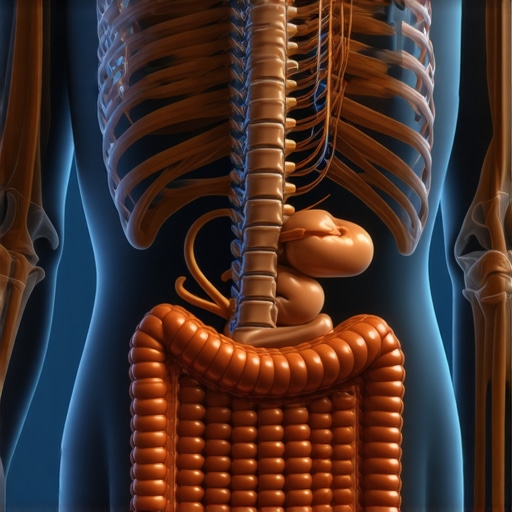
The Hinge Move That Protects Your Spine While Gardening
Have you ever bent down to plant a flower or pull out some weeds and felt that sudden, sharp twinge in your lower back? I remember the exact moment I realized I was doing more harm than good during my gardening sessions. It was a sunny Saturday, and as I reached forward without thinking, a familiar ache shot through my spine. My first instinct was to push through, but I quickly learned that stubbornness only worsened the pain. That lightbulb moment made me reevaluate how I approached gardening—and how I could protect my back better.
The Hidden Danger of Bending the Wrong Way in the Garden
Gardening is one of those activities that seems harmless—until it isn’t. The truth is, many of us unknowingly put our spines at risk with improper movement patterns. For years, I struggled with achy mornings and stiff afternoons, often attributing it to aging or bad luck. The root cause? Poor bending techniques that stress the spinal discs and muscles. Like many, I was guilty of bending at the waist with a rounded back, a mistake I made early on that I now warn everyone about. If you want to avoid the same fate, understanding and adopting the right movement is vital. For more insights, you might find this [comprehensive guide](https://quackersspinal.com/understanding-back-pain-a-guide-to-better-posture-and-mobility) helpful.
Is the Hinge Move the Answer to All Back Pain? My Experience Says Yes, But with Caution
Initially, I thought I could just power through my gardening tasks, ignoring the discomfort. That was a mistake. I learned that even small missteps could lead to long-term issues. Early on, I overlooked the importance of engaging my hips and keeping my spine neutral—a classic error I now see many making. This misjudgment almost cost me a month of pain and limited mobility. The good news? Once I corrected my technique and focused on protecting my spine using the proper hinge movement, my back felt stronger and more resilient. If you’re skeptical about whether this move truly makes a difference, I encourage you to consider the latest research on spinal health, which emphasizes that proper movement patterns can significantly reduce injury risk. Learning from these common mistakes and expert advice can transform your gardening experience—and your back health. Ready to discover this simple but powerful technique? Stay tuned, because the next steps could change the way you garden forever.
Adopt the Hip Hinge Technique for Safe Bending
To avoid straining your lower back, learn to hinge at your hips instead of bending at your waist. Stand with your feet shoulder-width apart, then push your hips back as if closing a gate behind you. Keep your back straight and chest lifted. I remember practicing this move in my yard, initially fumbling and feeling awkward, but within a week, my lower back felt more supported and less prone to pain. This technique distributes the load across your hips and glutes, reducing spine compression and preventing disc injury. For a detailed breakdown, check out this guide on back mobility.
Many individuals assume that back pain, neck discomfort, or mobility issues stem solely from aging or isolated injuries. However, a deeper understanding reveals common misconceptions that can hinder effective treatment. One widespread myth is that increasing flexibility through aggressive stretching always benefits chronic pain sufferers. In reality, over-stretching can exacerbate issues, especially when the muscles and ligaments are inflamed or unstable. For example, forcing a hamstring stretch on a strained lower back can worsen the injury, highlighting the importance of tailored, pain-sensitive mobility strategies. Experts warn against viewing chiropractic adjustments as quick fixes, neglecting the underlying movement patterns that contribute to recurring pain. A study by the National Institute of Health emphasizes that a combination of proper movement retraining and targeted chiropractic care yields more sustainable results than adjustments alone.[1]Maintaining long-term back health requires more than just awareness; it hinges on using the right tools and techniques consistently. Personally, I rely heavily on a quality foam roller, specifically the TriggerPoint GRID Foam Roller, which I find invaluable for releasing muscle tightness in my lower back and hips. Its textured surface provides targeted pressure, helping to improve circulation and tissue health, making daily mobility exercises more effective. Additionally, I incorporate a Pilates spine corrector pillow during my stretching routines to support proper alignment and prevent overextension, especially when working on flexibility for chronic neck and back pain. These tools are backed by experts and targeted to address the nuanced needs of spinal health, ensuring I stay mobile and pain-free over the years.
Looking ahead, I predict that personalized app-based mobility tracking combined with AI-guided exercise programs will become standard, providing tailored feedback and motivation. This technological evolution promises to make maintaining back health more accessible and adaptable to individual needs.
One essential question I ask myself regularly is: “How do I maintain my mobility and prevent setbacks over time?” The answer lies in integrating consistent, targeted self-care tools with professional chiropractic support to create a resilient spine. For example, using a tennis ball to gently release upper back tension after long days can complement your regular routine, as discussed in this guide on back mobility. I encourage you to try this simple yet effective technique today to reinforce your mobility efforts. Remember, consistent use of carefully chosen tools is key to long-term results and effective scaling of your mobility journey.
Throughout my journey with back pain and mobility, I’ve uncovered lessons that go deeper than typical advice. These insights have reshaped not only how I care for my spine but also how I understand injury prevention on a fundamental level.
The Hidden Truths That Changed My Approach to Back Care
- Patience Over Pushiness: I realized that progress in spinal health isn’t linear. Pushing through pain often set me back, teaching me to prioritize gentle, consistent movements over aggressive stretches or exercises.
- Listening to My Body’s Whisper: Small signs of discomfort gave early warnings that I otherwise ignored. Recognizing these cues allowed me to adjust my habits before minor annoyances turned into chronic issues.
- The Power of Consistency: Daily mobility routines—even brief ones—build resilience over time. Skipping days or neglecting proper movement patterns caused setbacks, reaffirming that consistency is key.
- Where Technique Trumps Intensity: Focused, proper hinge movements taught me that quality matters more than the volume of exercises. Precise form prevents injuries and enhances long-term benefits.
- Tools and Support Matter: Having the right tools, like foam rollers and ergonomic aids, accelerates healing and supports sustainable habits. They’re not shortcuts but essential companions on the journey to better mobility.
Tools That Became My Game Changers
My back toolkit isn’t complicated but highly effective. The chiropractic strategies I trust, combined with targeted mobility tools like weighted foam rollers, have been instrumental. I also lean on expert-recommended books that emphasize movement quality and personalized care, such as Mobility Mastery. These resources’ve helped me avoid setbacks and foster a resilient spine.
Embrace the Path, Rewrite Your Story
Remember, improving back health isn’t about quick fixes but cultivating mindful habits that honor your body’s signals. Your journey toward better mobility is unique, and every small step counts. If I’ve learned anything, it’s that persistence, paired with the right knowledge and tools, can truly transform how you live with back pain and move with confidence.
What’s been your biggest revelation about back care? Share your story and let’s learn from each other below.