The 10-Second Hip Squeeze That Stabilizes Your Sacrum
Ever had that moment where you finish a long day of work, only to find your lower back aching as if you participated in a strenuous workout? I used to brush it off as just part of aging or bad luck—until I realized I was missing a tiny, yet powerful movement that took me mere seconds but transformed my stability and relief.
My Lightbulb Moment with the Hip Squeeze
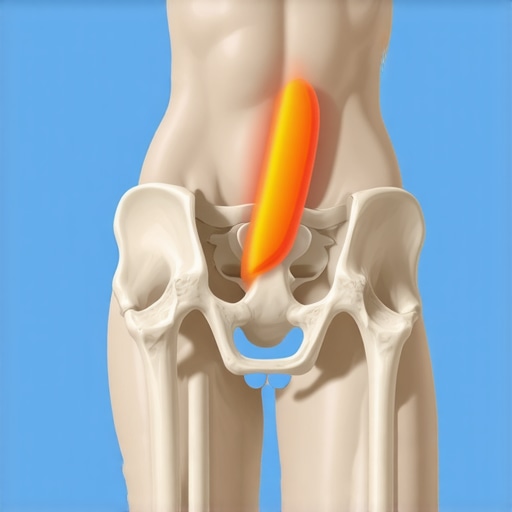
One evening, after yet another frustrating episode of nagging back discomfort, I stumbled upon a simple technique that promised quick relief: a 10-second hip squeeze. Skeptical but desperate, I gave it a shot. To my surprise, the tension in my sacrum started easing almost immediately. That tiny squeeze activated muscles I didn’t even know I had, stabilizing my pelvis and easing the pain that had become a daily companion.
This eye-opening experience sparked my journey into understanding why such a small move could have such a huge impact. Over time, I learned that strengthening and stabilizing the sacrum is essential for posture, movement, and relieving chronic pain. And the best part? It only takes a few seconds—no fancy equipment, no complex routines.
What We’ll Cover Today
In this post, I’ll walk you through why this simple 10-second move works, how it can become part of your daily routine, and how you can use it to support your back health long-term. Trust me, once you get the hang of it, you’ll wonder why you ever overlooked such a straightforward solution.
Have you ever felt that pain creeping in after sitting too long or during a stressful day? If so, you’re not alone. Many people experience back instability that sneaks up on them without warning. But here’s the good news: you don’t need to rely on temporary fixes or expensive treatments. Sometimes, the smallest adjustments can make the biggest difference.
Why Your Hip Squeeze Might Be the Missing Piece in Your Back Care Routine
When I first started exploring low-back stability, I made a common mistake—ignoring the importance of the sacrum and hip muscles in overall spinal health. I thought that stretching or strengthening other areas would suffice. However, ignoring the foundational role of your hips and pelvis might be why traditional routines didn’t give me lasting relief. According to research, muscles around the pelvis and hips are crucial for maintaining spinal alignment and function (source).
This realization shifted my approach from focusing solely on back stretches to embracing targeted movements like the hip squeeze. And it’s this tiny 10-second move that helped me regain real stability—no gimmicks, just smart, effective action.
Now, if you’ve ever grappled with recurring back pain or felt your core was weak, keep reading. I’ll share the secrets I’ve learned that could help you turn that persistent discomfort into a thing of the past—starting with a simple squeeze that only takes a moment.
Getting into Position for the Hip Squeeze
Begin by lying flat on your back on a comfortable surface. Place your arms at your sides and bend your knees so that your feet are flat on the ground, hip-width apart. This position isolates the pelvis and makes engaging the right muscles more effective. I remember a particular evening when I first tried this setup; I accidentally left my arms too far away, making the movement awkward, but I quickly adjusted and found the right rhythm. That messy first attempt taught me the importance of proper alignment for maximum benefit.
Executing the Movement Correctly
To perform the hip squeeze, gently engage your glutes—that’s the muscles in your buttocks—by pressing your hips into the ground as if trying to lift your lower back slightly off the surface. Think of gently clenching a small rubber ball between your legs without actually squeezing with your legs—just focus on squeezing your outer hips. Hold this contraction for about 3 seconds, then release. Repeat for about 10 reps. In my early days, I would forget to hold the squeeze long enough, which reduced effectiveness, but consistency turned it into a quick, rewarding routine.
Breathing and Focus for Better Results
Remember to breathe steadily during each squeeze—inhale before engaging, then exhale as you squeeze. Think of this movement as tightening the muscles that hold your pelvis steady, aligning your spine more effectively. This subtle activation is akin to tightening the strings of a guitar to produce a clear note; a small adjustment with significant impact. I often found myself rushing through the movement, but slowing down and focusing made the muscle engagement more precise and rewarding.
Incorporating the Hip Squeeze into Daily Routine
The beauty of this move is its simplicity; it only takes a few seconds and can be done multiple times throughout the day. I found it helpful to set a timer or associate it with an existing habit, like brushing my teeth. During one hectic morning, I performed the squeeze between tasks, noticing a subtle decrease in tension by the end of the day. Over time, this consistency strengthened my hips and improved my pelvic stability, which contributed significantly to reducing back discomfort. For additional guidance, check out [how to restore your back mobility](https://quackersspinal.com/restore-your-back-mobility-proven-chiropractic-strategies) and incorporate the movement seamlessly into your routine.Many people believe that chiropractic care is solely about quick fixes or spinal adjustments, but there’s more nuance involved that often goes unnoticed. A common misconception is that every back or neck pain requires aggressive manipulation, when in reality, tailored, nuanced approaches yield better long-term results. In my experience, blindly trusting quick adjustments without addressing underlying movement patterns can lead to recurrent issues, demonstrating the importance of understanding the intricate mechanics of spinal health.
One trap many fall into is assuming pain relief is instant and permanent after a single visit. While chiropractic adjustments can provide immediate relief, true recovery demands a comprehensive understanding of musculoskeletal nuances and proper rehabilitation. Overlooking this can result in the dreaded “yo-yo” effect—temporary relief that quickly returns once the root cause isn’t addressed. Educating yourself about the specifics of your condition and seeking practitioners who focus on holistic, personalized care can prevent this common pitfall.
What Advanced Techniques Do Skilled Chiropractors Use to Support Long-Term Mobility
They often incorporate assessments of movement quality, muscle imbalances, and even neurological factors to craft a precise, effective treatment plan. Techniques like functional movement screening or proprioceptive re-education are not typically emphasized in standard care but are crucial for lasting recovery. Research indicates that integrating these advanced methods leads to better outcomes, reducing the risk of chronicity (source).
Another nuance often missed is the importance of movement variability. Instead of focusing solely on static stretches or strengthening routines, increasing the diversity of movement patterns helps build resilient, adaptive tissues and neural pathways. This approach combats the staleness that can set in with repetitive routines, which sometimes backfire and exacerbate pain. Incorporating dynamic, functional movements tailored to your daily activities proves far more effective than generic exercises.
Beware of ignoring the connection between your daily habits and spinal health. Poor ergonomics, sustained postures, and repetitive motions can sabotage even the best treatment plans if not addressed systematically. For example, long hours at a desk can stiffen the thoracic spine and lead to compensatory neck or lower back issues. Integrating ergonomic assessments and education is vital to prevent setbacks. For more comprehensive insights, explore chiropractic secrets to restore mobility after injury.
Have you ever fallen into this trap of oversimplification or forgotten the importance of nuance in chiropractic care? Let me know in the comments, and together we can delve deeper into achieving optimal spinal health.
Maintaining a healthy back and neck isn’t a one-time effort; it requires deliberate tools and consistent practice. Over the years, I’ve refined a set of specific equipment and techniques that help me sustain mobility and prevent recurring pain. These tools not only support ongoing recovery but also scale with your progress, ensuring you’re always moving toward better spinal health.
Invest in a Quality Foam Roller for Deep Tissue Relief
My go-to is the TriggerPoint GRID Foam Roller. Unlike cheaper rollers, it offers variable density zones that target deep fascia and muscles around the spine without aggravating. I use it regularly after workouts or long days to release tension in my thoracic and lumbar regions. The durability and firm yet comfortable surface allow for precise pressure, making it an essential part of my recovery arsenal. For detailed guidance on effective foam rolling techniques, I recommend checking this article.
Gentle Resistance Bands for Maintaining Strength Between Sessions
Resistance bands like the TheraBand Professional Resistance Band are perfect for safe, controlled strengthening routines. I incorporate them into daily mobility drills, especially targeting hip stabilizers and shoulder girdle muscles. Their portability means I can perform targeted activation exercises anytime, anywhere—be it at home or during travel. Using bands helps me gradually build endurance without risking overstress, aligning well with my long-term goal of sustainable health.
Using a Posture Corrector Smartly
I’ve found that wearing a well-designed USB rechargeable posture correction device during work hours reinforces good habits. These devices vibrate gently if you slouch, providing immediate feedback that retrains your muscle memory. However, I avoid over-reliance; instead, I combine them with conscious posture practices for lasting results. Regularly using such devices, coupled with ergonomic adjustments, has markedly improved my spinal alignment over time. For an in-depth look, explore these chiropractic hacks.
Progression and Prediction: The Future of Back Maintenance Tools
As technology advances, I predict the rise of smart wearable devices integrated with biofeedback, providing real-time data to optimize posture and muscle activation. Wearables linked with AI could customize recovery protocols on the fly, making maintenance more personalized. Staying ahead involves embracing these innovations and combining them with proven techniques like targeted movements and ergonomic tweaks.
How do I sustain back health as I improve?
One effective strategy I recommend is integrating multimodal tools into daily routines—combine foam rolling, resistance bands, and smart posture reminders. Consistency is key, and gradually increasing challenge levels ensures continuous progress. Remember, even small daily efforts compound over time. To explore methods tailored specifically for your needs, consider consulting with a professional who can guide you through personalized assessments and techniques. For insights on long-term mobility support, visit this comprehensive resource.
Don’t wait for pain to become a barrier. Start incorporating one of these tools today and observe how your back rewards your effort. For a personalized plan, reach out here.

The Hardest Lesson I Learned About Spinal Stability
One of the most profound realizations in my journey was that big exercises aren’t always the answer—sometimes, it’s the smallest, most deliberate movements that create the biggest ripple effects in back health. I used to chase after complex routines, but I learned that the key to lasting change lies in mastering simple, effective actions like the hip squeeze.
Another lesson was recognizing the importance of consistency over intensity. Daily, brief engagements with tools like resistance bands or mindful movement can outperform sporadic, intense workouts, especially when it comes to stabilizing your sacrum and pelvis. Small, sustained efforts build resilience and prevent the back from betraying you during everyday moments.
Finally, I discovered that addressing habits—posture habits, ergonomic setups, even how you carry your groceries—is just as critical as exercises. The real change happens when we integrate mindful movement into the fabric of our routine, turning awareness into automatic stability, and that empowering shift is possible with patience and persistence.
Tools That Transformed My Approach to Back Wellness
My essential toolkit includes the TriggerPoint GRID Foam Roller for releasing fascia, which I personally find more effective than regular rollers due to its varied density zones that target comfortable, deep tissue work. It’s an investment that pays off in relief and mobility support, especially after long days.
For strengthening, I trust the TheraBand Professional Resistance Band. Its portability lets me maintain engaging, targeted exercises on the go, which reinforces the stability I worked hard to achieve. Combined with a good ergonomic setup, these tools underpin my daily movement routines.
The USB rechargeable posture correction device has been another game-changer—subtle vibrations gently remind me to keep upright, retraining my muscle memory over time. Pairing tech with consistent practice helps sustain the gains, especially on stressful or sedentary days.
For deeper insights, exploring these simple yet powerful chiropractic hacks can help you build a personalized back health strategy that fits seamlessly into your life.
This Could Be Your Turning Point for Back Ease
Imagine waking up each day feeling more stable, mobile, and pain-free—back health isn’t a distant goal but a series of small, intentional choices you can make today. Embracing tiny movements, smart tools, and mindful habits transforms your back from a source of pain to a foundation of strength. Begin now, and enjoy the journey toward sustained mobility and comfort.
What’s one small movement or habit you’re ready to incorporate into your daily routine to support your back health? Share below—your experience might inspire someone else to start their own transformation!
.