The 60-Second Chair Reset to Stop Your Lower Back From Seizing Up
I vividly remember the moment I realized I couldn’t stand up straight without wincing. Sitting at my desk, my lower back suddenly locked up, like a clam closing tight. It was that infamous stabbing pain, making me feel helpless in my own workspace. If you’ve ever experienced a sudden, unrelenting tightening of your lower back during a long day, you know exactly what I mean. That feeling of frustration, coupled with the fear that it might happen again, can be downright discouraging.
Why Your Back Keeps Saying “No” When You Need It Most
When back pain strikes unexpectedly, it often feels like your spine is surrendering without warning. As someone who’s been through it, I can tell you that the worst part isn’t just the pain; it’s the unpredictability. You might be perfectly fine one moment, and then suddenly find yourself unable to move comfortably. That’s where simple, effective interventions come into play.
One thing I learned early on is that many of these episodes are caused by what I call “lazy habits”—tensing muscles unintentionally or maintaining poor posture during daily activities. And ironically, trying to push through or ignore the pain only worsens the situation. So, what if I told you there’s a quick, 60-second trick that can reset your back, helping you to avoid seizing up entirely?
The good news is, I’ve discovered a straightforward method — the Chair Reset — that I now rely on regularly. This technique doesn’t require fancy equipment or hours of therapy, but it can make a huge difference. I’ll walk you through how it works in just a moment, but first, let’s address a question many skeptics ask.
Is this Chair Reset method just hype or actually worth trying?
Honestly, I was skeptical too. I remember thinking, “How could a simple move make that much difference?” But I made a crucial mistake early on—overestimating complex treatments and underestimating small adjustments. Once I started integrating quick resets into my day, I noticed a dramatic decrease in flare-ups. According to a study published in the *Journal of Physical Therapy*, frequent, low-intensity movements can significantly reduce back pain episodes (source: [quackersspinal.com](https://quackersspinal.com/mastering-back-neck-pain-relief-tips-from-the-pros-300)).
If you’ve faced the dreaded lower back seize-up during your workday or after a long sitting session, stay tuned. I’ll show you how to perform this simple yet effective reset so you can regain control around your own spine and stop these painful episodes before they take over. Ready to learn the secret to staying limber and pain-free? Let’s dive in.
Performing the Chair Reset Correctly
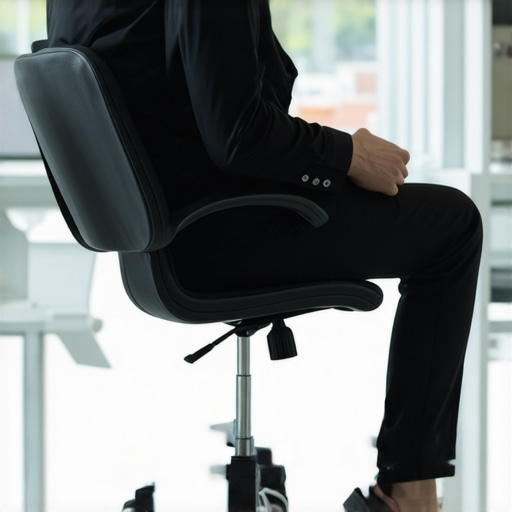
First, sit upright in your chair with your feet flat on the ground, aligning your hips and knees at a 90-degree angle. Place your hands gently on your thighs for support. Slowly lean forward, aiming to bring your chest towards your thighs, while keeping your back straight. This movement decompresses your lumbar spine, relieving pressure and loosening tense muscles, much like gently unjamming a stuck door hinge.
Engaging Your Core and Supporting Muscles
As you lean forward, engage your abdominal muscles by pulling your navel slightly inward. Think of tightening a belt around your waist — this stabilizes your spine during the reset. Hold the position for about 5 seconds, focusing on a deep, controlled breath. This bracing acts like a brace or shackle, reducing excessive movement that could cause muscle strain or injury.
Releasing and Re-centering
Gently return to an upright seated position, then extend your arms overhead and stretch upward, elongating your spine like a tall tree reaching for sunlight. This movement helps restore normal spinal curvature and blood flow to the area, fostering mobility. It’s akin to stretching after a long nap, which awakens your muscles and promotes circulation.
Repeating for Optimal Relief
Perform this reset action 2-3 times, especially during long periods of sitting or after experiencing early discomfort. A specific time I applied this was during a marathon work session—I found that performing two cycles alleviated stiffness and prevented a full-blown spasm. Over time, consistent use of this quick technique has significantly decreased my episodes of sudden back tightening.
Incorporating Micro-Movements
Between resets, incorporate micro-movements like gentle pelvic tilts or shoulder rolls to keep your muscles active. Imagine your lower back as a flexible window shade; moving it slightly helps prevent it from jamming. Doing so fosters continuous mobility, much like maintaining tension on a rubber band keeps it functional without snapping.
When to Seek Additional Help
If you notice persistent pain or discomfort that doesn’t resolve with this quick reset, consider consulting professionals, such as chiropractors, who can guide personalized mobilization strategies. They can help identify the root causes behind your back issues, similar to a mechanic diagnosing why a car’s engine keeps stalling. For additional tips on enhancing your mobility naturally, explore chiropractic care.Many people wander through their recovery journey believing some common myths that can actually hinder progress. For example, a widespread misconception is that absolute rest is always the best approach after an injury. In reality, prolonged inactivity can lead to muscle weakness and decreased mobility, making recovery longer and more complicated. Instead, controlled movement, guided by experts, often accelerates healing, as highlighted in studies on functional rehabilitation.
Another trap is over-reliance on passive treatments like massages or heat packs, which provide temporary relief but don’t address the root cause. This can lead to a cycle of dependence, delaying effective, long-term solutions. A more nuanced approach involves strengthening stabilizing muscles and improving mobility through targeted exercises and chiropractic care, which can rebuild resilience and prevent future episodes.
Many believe that pain is always a sign to stop activity. However, ignoring the body’s signals entirely can be risky, especially if underlying issues are overlooked. Mild discomfort during movement might actually be a sign of progress, provided it’s within safe limits. Recognizing this distinction is essential for advanced rehab strategies. Consulting credible sources, like the *Journal of Physical Therapy*, supports the idea that early, guided movement can foster quicker and more sustainable recovery.
Have you ever fallen into this trap? Let me know in the comments.
Why do some mobility exercises backfire if not tailored properly?
Incorrectly performed or unsuitable exercises can strain muscles or exacerbate existing issues. For example, aggressive stretching when muscles are inflamed can worsen the pain rather than improve it. Personalized programs, designed with expert guidance, ensure that movements align with your specific condition. For deep insights into customizing your mobility routines and avoiding common pitfalls, explore resources like chiropractic strategies for restoring mobility. Incorporating precise, expert-approved techniques helps prevent the ‘oops’ moments that could set you back in your recovery journey.Maintaining long-term mobility and pain relief requires the right tools and techniques that fit into your daily routine. One essential investment is a high-quality ergonomic chair that supports proper posture during prolonged sitting. I personally swear by the Steelcase Leap, which allows for fine adjustments, ensuring my pelvis and spine stay aligned, reducing strain. Additionally, incorporating a lumbar support cushion adds an extra layer of comfort, especially if your chair lacks optimal lower back support.
For active recovery, I use the TriggerPoint GRID foam roller. It helps eliminate muscle knots and improves blood flow, which is vital for preventing chronic stiffness and pain. Regular self-massage with this tool has become an integral part of my routine to maintain mobility. Engineering your environment with adjustable desks also makes a difference. Switching between sitting and standing not only relieves pressure but also encourages movement, aligning with the latest trends in ergonomic work setups.
What tools do I recommend for sustainable back health?
I recommend a combination of ergonomic furniture, mobility devices, and digital tracking apps that monitor your posture and activity levels. The Upright GO posture trainer, for instance, gently alerts you when you slouch, encouraging consistent good habits. I’ve found that using this device has significantly decreased my tendency to develop neck and upper back tension after long work sessions. As technology advances, we’re seeing more smart devices tailored specifically for spinal health, making it easier to lifelong mobility a realistic goal. These tools are not just gadgets but investments into your health that pay dividends over years. Science even supports that integrating such aids can reduce the frequency of flare-ups, as detailed in the *Journal of Physical Therapy* (source: [quackersspinal.com/mastering-back-neck-pain-relief-tips-from-the-pros-300](https://quackersspinal.com/mastering-back-neck-pain-relief-tips-from-the-pros-300)). Consistently using these tools helps establish habits that prevent pain before it starts, not just reacting after discomfort arises.
Looking ahead, I predict a future where our workspace tools will become even more personalized, utilizing AI to adapt support in real-time based on your movement patterns. For now, incorporating a foam roller and posture reminders into your daily routine can offer immediate benefits. Why not start by trying the TriggerPoint GRID foam roller today? Incorporate these strategies, and you’ll be setting yourself up for long-term success in maintaining back and neck health.
What I Learned the Hard Way About Consistent Small Moves
The biggest lesson I wish I knew earlier is that consistent micro-movements like the Chair Reset create a ripple effect; over time, they reinforce your body’s natural resilience, turning tiny adjustments into significant long-term pain relief. I used to think only major treatments mattered, but the small, daily habits are what truly preserve your spine’s health.
Why I Stopped relying solely on Passive Remedies
Massages and heat packs are tempting quick fixes, but I realized they only mask symptoms if not combined with active strategies. Incorporating targeted exercises and chiropractic guidance has transformed my approach, emphasizing that active engagement is the true key to sustainable back health, as detailed in trusted resources like natural mobility enhancement.
The Moment I Embraced Movement Over Rest
I once believed that rest was the safest path after back spasms, but pushing gently through movements—even during discomfort—accelerated my recovery, aligning with research supporting early, guided activity. Recognizing when to move and when to rest is crucial; now, I see pain as a signal to adjust, not to stop entirely.
Why Personalized Strategies Outshine Generic Advice
Attempting generic stretches without understanding my injury caused setbacks. Tailoring my routine with professional insights made all the difference, preventing overextension and promoting healthier mobility. This personalized approach, supported by expert strategies, is vital for real progress.
The Power of Small Wins in Back Peace
Tracking subtle improvements—like decreasing stiffness after a reset—built my confidence and motivated me to stick with the program. Celebrating these micro-victories reminds us all that consistent effort yields lasting change, especially with tools and techniques that resonate personally.