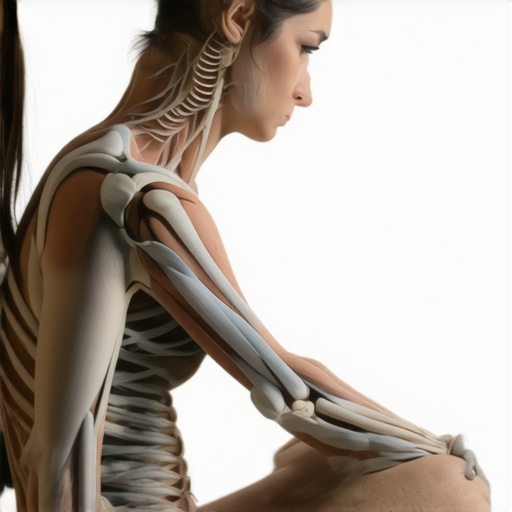
Why Your High Heels Are Secretly Shortening Your Spine
It hit me one morning while I was struggling to stand up from my favorite chair—my neck felt like a stiff board, and my back pulsated with an uncomfortable ache. I realized that those glamorous high heels I loved wearing might be secretly sabotaging my spine’s health. The truth hit hard: fashionable footwear might be doing more damage than I ever imagined. If you’ve ever experienced persistent neck or back tension after a night out or a long day in heels, you’re not alone. Today, I want to share how your obsession with stilettos could be quietly shortening your spine and what you can do about it.
Why High Heels Are Sneakily Altering Your Natural Posture
High heels push your body out of its natural alignment. When you wear them, your calves and ankles are forced into a shortened position, causing your pelvis to tilt forward and your lower back to arch more than usual. Over time, this altered posture can lead to a compressed spinal column, resulting in nerve irritation, muscle strain, and even permanent changes in your spinal curvature. I learned this the hard way when I started noticing tighter neck muscles and more frequent headaches—signs that my spine was adapting to years of elevated heels.
Interestingly, studies suggest that prolonged heel wearing can increase pressure on your lumbar discs by up to 30%, accelerating degenerative changes (source: restore your back mobility). That means the way you dress could be quietly shrinking your spinal health. If this rings a bell, you’re not imagining it. And trust me, it’s fixable. But first, let’s address whether our fears about this are justified.
Are High Heels Actually Worth the Hype?
Honestly, I used to think that a few hours in heels was just part of looking good—until I made the mistake of ignoring the long-term consequences. Early on, I dismissed the discomfort, convincing myself it was just part of fashion. That was a mistake. I failed to realize how much extra strain I was putting on my back and neck until the pain became persistent. It’s common to underestimate the impact of daily habits, especially ones we enjoy, like dressing up or walking in stylish shoes.
So, if you’ve faced that nagging back or neck tension after a day in heels, understand that it’s a sign your spine is trying to adapt to unnatural stresses. The good news? With proactive steps—like tailored chiropractic strategies—you can restore your mobility and prevent further damage. Curious how to do that? Stay tuned because I’ll be sharing proven techniques that helped me regain my comfort and confidence.
Start with Posture Awareness
My first practical move was to consciously check my posture multiple times daily. I set reminders on my phone to prompt me to straighten my shoulders and level my chin. Remember, just like tuning a instrument, tuning your posture regularly trains your muscles to hold proper alignment. I once caught myself slouching during a work call, paused, and adjusted. That tiny correction over a week began to feel natural, reducing neck tension.
Incorporate Targeted Mobility Exercises
Next, I adopted simple mobility drills focusing on neck and thoracic spine. I performed neck rotations and upper back extensions in front of a mirror, ensuring smooth, controlled movements—like winding a rusty old clock until it runs freely again. For example, every morning, I did 10 slow neck circles, gradually increasing the range without forcing. These exercises loosen tight muscles and restore natural movement patterns, crucial after years of unnatural postures. To dive deeper into effective routines, consider reviewing this guide on natural mobility enhancement.
Practice Chest and Hip Openers
High heels often lead to rounded shoulders and tight hips. I started daily stretches like doorway chest openers and seated hip flexor stretches. For instance, I stood in a doorway, placing my forearms against the frame and gently stepping forward to feel the chest opening. I also did kneeling hip flexor stretches holding each position for 30 seconds. These openers counteract the shortened muscles caused by high heels, allowing your spine to resume its natural curves. As a bonus, these boosts in flexibility help improve overall back support and reduce strain that often accumulates from poor posture.
Establish a Consistent Chiropractic Routine
To maintain long-term gains, I prioritized regular chiropractic adjustments. I saw a professional once a month, which helped realign my spine and release tension hotspots. Think of your spine like a garden hose—if it’s kinked or compressed, water flow (nerves and blood) diminishes. Routine care helps ensure smooth operation, preventing stiffness from creeping back. For effective results, check out this comprehensive strategy on restoring back mobility.
Mind Your Daily Habits and Environment
Finally, I overhauled habits that contributed to misalignment. I adjusted my workspace to support proper ergonomics, like elevating my monitor and using a supportive chair. I also took breaks every 30 minutes to stand, stretch, and reset my pelvis with quick pelvic tilts—similar to a reset button for my lower back. It’s like tuning a guitar string; regular small adjustments prevent the string from snapping. These micro habits cumulatively protect your spine from further damage and reinforce the improvements gained through exercises and adjustments.
Implementing these steps created a noticeable difference. My neck feels freer, my back less achy, and I regained confidence knowing I can wear heels without fear of pain. Remember, consistency is key: your journey toward a pain-free, mobile spine is a marathon, not a sprint. For more detailed methods, explore this guide on chiropractic techniques to ease pain.
Many assume that neck and back pain are simply products of poor posture or injury, but the truth runs deeper than common myths suggest. A frequent misconception is that pain always indicates urgent damage needing aggressive intervention. In reality, chronic discomfort often results from subtle, accumulative issues that most overlook, such as minor imbalances in muscle activation and neurological pathways. Rushing straight to symptom suppression with painkillers, rather than addressing the underlying mobility restrictions, can delay true recovery and sometimes worsen the condition over time. For example, some believe that chiropractic adjustments are only beneficial for acute pain, but emerging research highlights their role in enhancing neural communication and restoring functional movement patterns, especially when combined with targeted exercises. An advanced point many miss is the importance of neuroplasticity—our nervous system’s ability to rewire itself in response to movement habits. Incorporating specific mobility routines can facilitate this rewiring, leading to lasting improvements in spine health and overall mobility. One common trap is neglecting the subtle signs before pain becomes severe; small restrictions in joint or muscle function, if ignored, can evolve into chronic conditions. Studies such as those by Dr. Todd Hargrove emphasize that our nervous system’s adaptability means that retraining movement patterns is often more effective than solely focusing on symptom relief. Addressing these nuances requires a shift from passive care to active engagement with mobility strategies. For instance, integrating proprioceptive exercises and neuro-motor training can significantly enhance recovery outcomes, as detailed in this comprehensive guide to improving back mobility. Remember, understanding these hidden intricacies helps prevent setbacks and fosters a resilient, adaptable spine. So, next time you experience discomfort, ask yourself: Am I addressing just the pain, or the root cause hidden beneath? Have you ever fallen into this trap? Let me know in the comments.Maintaining your spinal health long-term demands more than just occasional exercises; it requires intentional tools and consistent habits. One of my favorite devices is a foam roller, specifically the RumbleRoller, which I use daily to release muscle knots in my back and neck. Its textured surface helps target deep tissue adhesions, restoring flexibility and blood flow. I incorporate it into my routine every morning, rolling along my thoracic spine and upper traps, which prevents stiffness from settling in and helps maintain the mobility gains achieved through chiropractic adjustments.
Additionally, I rely heavily on ergonomic software like Elevate or Time Out to remind me to break from sustained postures, especially during long work sessions. These apps help me set scheduled reminders for micro-movements, like pelvic tilts or shoulder blade squeezes, ensuring I don’t fall into the trap of prolonged static positions that can undo my progress.
For tracking my progress, I use a simple journal dedicated to mobility milestones. Recording daily exercises, pain levels, and how I feel after specific routines provides insight into what works best for me and highlights areas needing more attention. This kind of feedback loop is crucial for long-term success because it encourages consistency and awareness.
Looking ahead, I believe technology will play an even bigger role in personal mobility management. Wearable devices with real-time biofeedback, like AI-enabled posture sensors, could alert us instantly when we revert to poor habits, making preventive care more proactive than ever. Emerging research indicates that neuroplasticity can be enhanced through targeted movement, and tools that facilitate this—such as virtual reality mobility drills—are on the horizon, promising to personalize and intensify our efforts.
**How do I maintain my mobility routine over time?** The key is integrating versatile tools into daily life—like foam rollers, ergonomic software, and tracking methods—so that care becomes effortless and consistent. This multi-layered approach helps prevent setbacks and ensures your spine stays resilient. If you’re ready to deepen your practice, I recommend trying advanced techniques such as trigger point therapy with a foam roller, which I’ve found invaluable. To get started, explore detailed guidance on effective mobilization in this comprehensive mobility guide. Remember, the right tools and habits make a lasting difference in your journey toward a pain-free, mobile spine.
Lessons That Changed How I Fight Neck and Back Tension
- One of the biggest revelations was recognizing that pain isn’t just a sign of injury but often a symptom of long-term posture neglect. I discovered that simple daily tweaks could create monumental shifts in spinal health, emphasizing the importance of consistent mobility routines.
- Investing in understanding neuroplasticity transformed my approach. Instead of solely focusing on pain relief, I began rewiring movement habits, which led to more sustainable improvements and prevented future setbacks.
- I learned that your environment and habits play a crucial role—small adjustments like ergonomic workspace setups and micro-breaks can dramatically reduce the cumulative strain from fashionable footwear.
Tools and Wisdom That Keep My Spine Happy
- The comprehensive guide on restoring back mobility from this resource provides actionable strategies that have become my go-to for long-term health.
- Exploring chiropractic care and targeted exercises through trusted books like Mastering Back and Neck Pain Relief has deepened my understanding and empowered me to take control of my mobility.
- Innovative tools like foam rollers, ergonomic reminders, and progress trackers offer tangible support, making daily maintenance feel effortless and integrated into life rather than an added chore.
Your Next Step Toward a Mobile, Pain-Free Spine
Taking charge of your neck and back health is a journey that blends awareness, small daily habits, and trusted tools. Remember, every step you take now cements a foundation of resilience that keeps you comfortable and confident in stylish heels without fear of pain. The future of spinal health is within your reach—embrace it today and redefine what’s possible for your mobility journey.
What’s one change you’re willing to try this week to improve your neck or back health? Share your plan below—I’d love to hear your story!