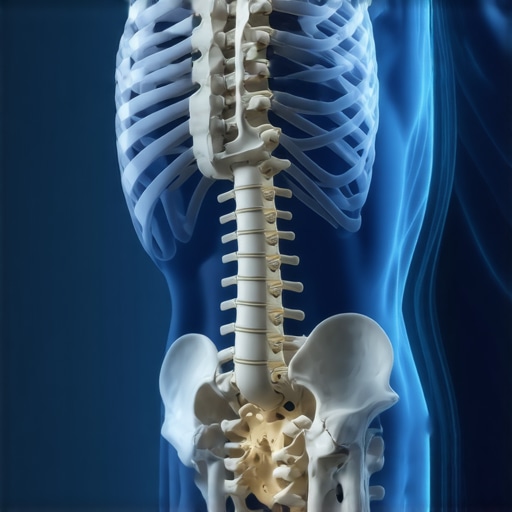
The One-Legged Balance Test to Predict Future Back Issues
There was a morning not so long ago when I stood up from my desk, only to be greeted by a relentless twinge in my lower back. It was that familiar, unwelcome sensation that whispers, “Here we go again.” After years of dealing with back discomfort, I thought I knew all the tricks — stretching, regular exercise, even a few visits to the chiropractor. Yet, this persistent ache seemed stubbornly unbothered. Then I discovered a surprisingly simple test that flipped my approach to back health entirely.
Why a Single Balance Test Changed My Perspective on Back Pain
It turns out, your ability to balance on one leg can reveal more than just your coordination — it can forecast potential back issues down the line. I remember feeling skeptical at first, but I gave it a try. Standing on one foot, eyes closed, was humbling. I noticed that I kept wobbling far longer than I should have. This moment was a lightbulb — if I couldn’t stand still for ten seconds on one leg, what did that say about my core strength, spinal stability, and overall mobility?
Many overlook how interconnected balance and back health really are. Weakness or imbalance in the muscles supporting your spine can silently set the stage for future pain or injury. That morning marked the start of my journey to understanding my body’s signals better. I realized I’d been ignoring signs that my core and proprioception (your sense of body position) were weakening.
Since then, I’ve incorporated simple assessments into my routine and learned practical ways to strengthen my stability, which vastly improved my back comfort. Believe me, I wish I’d known about this test and the importance of balance earlier. It’s a quick, non-invasive way to catch trouble before it sidesteps into chronic pain.
Is the One-Legged Balance Test Really Worth the Hype?
Early in my experience, I made the mistake of dismissing such simple tests as superficial or irrelevant. But research supports the idea that poor balance correlates strongly with back issues. For instance, a study published in the Journal of Orthopaedic & Sports Physical Therapy highlighted that deficits in balance are common among individuals with chronic back problems, often revealing underlying weaknesses before pain appears. So, when I tell you this quick test can save you from prolonged discomfort, I speak from personal and scientific understanding.
If you’re wondering whether your current imbalance might be paving the way for future pain, you’re not alone. Have you noticed yourself wobbling when standing on one foot? Or perhaps you’ve already felt persistent stiffness that seems to creep in over weeks? Recognizing these signs early is crucial. And the good news is, this is just the beginning — once you understand your specific weaknesses, you can take targeted steps to fortify your back.
Now, let’s dive into the practical strategies to improve your balance and protect your spine for the long haul. Ready? Here’s how to get started.
Start Your Balance Assessment Today
Before diving into exercises, perform the one-legged balance test as I did. Stand on one foot with your eyes closed and time how long you can maintain balance without wobbling or putting your foot down. Note this duration. Think of it as a fitness report card for your core and proprioception. If you wobble or can’t hold for at least 10 seconds, it’s a clear signal to work on stability. Remember, just like a shaky bridge risks collapse, a weak core jeopardizes your spinal health.
Targeted Exercises to Build Core and Balance
Practice the Single-Leg Stand Regularly
Start with 10-second holds on each leg, gradually increasing as your stability improves. For example, I dedicated a few minutes daily, challenging myself to hold longer each week. To make it manageable, place a chair nearby for support initially. As my confidence grew, I switched to eyes open, then closed, which activated deep stabilizer muscles, akin to tightening the bolts that keep a house sturdy. This exercise enhances your proprioception, making your body better at sensing and correcting imbalances.
Incorporate Dynamic Stability Drills
Progress to moves like leg swings, balance board exercises, or tai chi movements. For instance, I tried shifting my weight side to side on one leg while lightly tapping the floor, mimicking the unpredictable shifts we encounter daily. These drills train your nervous system to react swiftly, boosting spinal support. Think of it as training your car’s suspension — the better it handles bumps, the smoother your ride (or in this case, your life).
Engage Your Deep Core Muscles
Practicing techniques like the pelvic tilt or bird-dog helps activate transversus abdominis and multifidus muscles — key players in spinal stabilization. I found that when I consciously engaged my core during daily activities, my back felt more supported. Incorporate gentle practice of these movements in front of a mirror, focusing on control rather than speed. This deep engagement acts like the foundation of a building, preventing cracks from forming over time. For detailed methods, see tips on restoring back mobility.
Add Mobility Work for Holistic Stability
Maintain flexibility in hips and hamstrings to complement your balance training. Tight muscles in these areas can pull on your pelvis, destabilizing your spine. I started with gentle stretches like the hip flexor opener and hamstring curl, holding each position for 30 seconds. Think of it like loosening the tension in a bow before shooting — flexibility enables better control. Regular mobility routines prevent imbalances that can turn minor aches into chronic pain. For more insights, explore mobility strategies.
Make Stability Training Part of Your Daily Routine
Consistency is key. Like brushing your teeth, incorporate balance exercises into your morning or evening routine. I stacked my balance drills with other daily habits to ensure I didn’t forget. Over time, I noticed noticeable improvements — my back no longer twinged during long periods of sitting or standing. Think of your core and proprioception as the scaffolding supporting your entire structure — strengthening it safeguards your back from future setbacks. For comprehensive guidance, see mobility and chiropractic techniques.
Many people assume that simply stretching more or visiting the chiropractor frequently will resolve their neck and back pain, but the reality is far more nuanced. A common myth is that mobility exercises alone can fix longstanding issues without addressing underlying weaknesses or movement patterns. In my experience, piecemeal approaches often lead to temporary relief at best, and worsening problems at worst. A key nuance many overlook is that true mobility enhancement requires a comprehensive strategy focused on joint health, neural control, and muscular balance. For example, relying solely on passive stretching can increase stiffness if not combined with active, controlled movements to reorganize neuromuscular patterns. Additionally, the misconception that chiropractic adjustments offer permanent solutions is prevalent; in reality, adjustments often need to be complemented with stability training to sustain benefits long-term. Overdoing aggressive manipulations without correcting movement faults can also cause microtrauma or exacerbate existing issues. It’s crucial to recognize that treating pain isn’t just about immediate symptom relief but fostering adaptable, resilient movement habits. Research from experts like Dr. Stuart McGill emphasizes the importance of integrating core stability, motor control, and biomechanics for lasting results, demonstrating that the “quick fix” mindset can be counterproductive. Have you ever fallen into this trap? Let me know in the comments. To deepen your understanding of effective strategies, explore our cornerstone content on [restoring back mobility](https://quackersspinal.com/restore-your-back-mobility-proven-chiropractic-strategies). Remember, a nuanced approach combining active mobility, neural training, and proper chiropractic care often yields the best sustainable outcomes for neck and back health.
Maintaining a healthy, resilient spine over the long run requires more than just occasional stretches or visits to the chiropractor. It involves investing in quality tools and adopting effective routines that support your core, enhance mobility, and prevent setbacks. One device I personally swear by is the Wobble Balance Board. I use it daily to challenge my proprioception and strengthen stabilizer muscles, which are crucial for preventing back pain. Its dynamic surface forces your body to constantly adapt, mimicking real-life movements and improving overall balance. Paired with a core stability program, it’s transformed the way I support my back. For long-term results, I recommend integrating the wobble board into your routine at least five days a week, gradually increasing the duration as your confidence grows.
How do I keep my mobility tools effective over time?
Consistency is key. Regularly cleaning and inspecting your devices ensures they remain in good condition. Additionally, tracking your progress—such as noting how long you can hold a balance or how your mobility improves—keeps you motivated. I also use a mobility app that provides guided routines and tracks my improvements, making the process engaging. In the future, expect smart sensors embedded in home equipment to provide real-time feedback, personalized exercises, and even AI-driven adjustments to optimize your mobility therapy.
Another essential tool I recommend is a lumbar roll. It’s a small cushion you position behind your lower back when sitting, which maintains proper lumbar curvature. I’ve found it invaluable during long workdays at my desk, helping prevent chronic strain. Coupling this with ergonomic assessments, like proper keyboard and monitor placement, creates a synergistic effect that preserves spinal health over years.
Looking to support long-term back health? Consider these investments
For ongoing mobility and pain prevention, I also rely on my massage gun. Targeted percussion therapy helps release muscle tightness, improving circulation and flexibility. I keep mine charged and ready, incorporating short sessions after workouts or long sitting periods. Planning routine maintenance with these tools makes a significant difference. It’s like routine oil changes for your car—small, consistent upkeep prevents costly breakdowns later.
From my experience, having the right equipment sharpens your awareness of your body’s signals and empowers you to act proactively. To deepen your understanding of how to implement effective mobility strategies, I encourage exploring chiropractic techniques that support joint health. Additionally, keep an eye on emerging tech like neurofeedback devices that could revolutionize self-managed spinal care.
Don’t wait until discomfort becomes chronic—try incorporating a wobble balance board into your daily routine today. Even a few minutes can set the stage for lasting mobility and pain-free movement. Remember, resilience is built through consistent, targeted effort, and choosing the right tools makes all the difference.
Three Surprising Truths That Changed Everything for Me
Discovering the importance of balance testing revealed that even minor wobbling can be a sign of deeper issues, pushing me to prioritize stability. I learned that the most effective routines are often the simplest—like daily single-leg holds—yet they deliver profound results. Finally, embracing a holistic approach, combining mobility tools like wobble boards and targeted exercises, transformed my long-term back health, showing that consistent, mindful practice truly pays off.
My Go-To Resources for Lasting Mobility
I trust the comprehensive insights in restoring back mobility guides that connect science with practical tips. The chiropractic techniques page offers expert strategies that complement everyday routines. For ongoing motivation, I recommend tools like the supportive ergonomic devices and mobility tracking apps that keep me accountable and progressing.
Your Path to a Pain-Free Spine Starts Today
Remember, your journey toward resilient back health is unique, and small consistent actions lead to lasting change. By integrating balance assessments and targeted mobility routines into your daily life, you’re investing in a future free of discomfort. Don’t wait for pain to become persistent—every step you take now brings you closer to a stronger, more flexible spine. Are you ready to prioritize your back health and start making those small, impactful changes today?