How to tell if your headache is actually a neck problem
Ever had that moment when a pounding headache hits, and you can’t help but wonder, “Is this just a regular headache, or could it be something more?” I remember sitting at my desk one afternoon, feeling that familiar dull ache creeping in, only to realize later it was tied to my neck tightness all along. It was like my headache was masquerading as something innocuous, but deep down, I knew better. That lightbulb moment opened my eyes to how often we dismiss neck issues as mere stiffness or stress, not realizing how closely they’re linked to headaches and overall well-being.
Spotting the Subtle Clues: When Your Headache Tells a Different Story
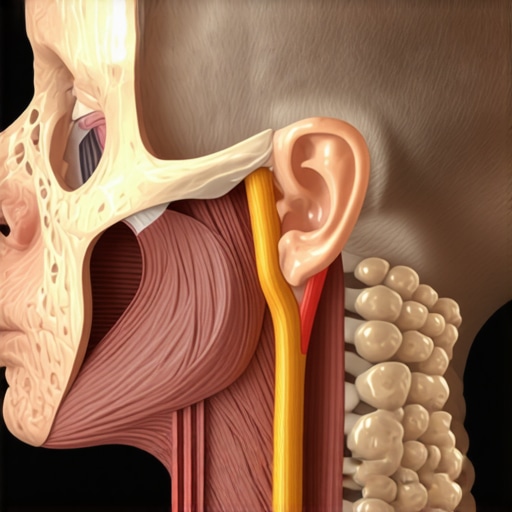
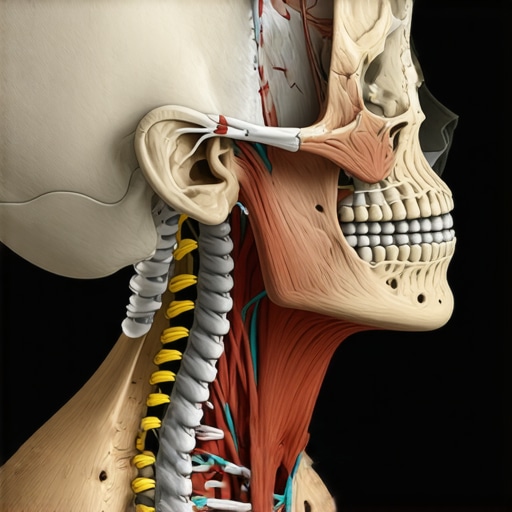
There’s a common misconception that all headaches are just headaches. But my experience — and the experiences of many I’ve consulted with — is that some headaches are much more than that. They’re warning signs from your body indicating underlying issues, particularly in your neck. Think about it: the nerves, muscles, and joints in your cervical spine are intimately connected to your head and shoulders. When those areas are strained or misaligned, pain can radiate upward, masquerading as migraines or general discomfort.
Many people, myself included early on, overlook the connection. Instead, we reach for painkillers or just wait for it to pass, missing the root cause. Recognizing the signs where neck problems manifest as headaches is the first step toward better health. For instance, if your headaches worsen after long periods of poor posture or neck strain, that’s a red flag. Those subtle clues can help you avoid unnecessary tests or treatments, and lead to targeted solutions. Want to delve deeper into the specifics? I recommend exploring our comprehensive guide on [mastering back and neck pain relief](https://quackersspinal.com/mastering-back-neck-pain-relief-tips-from-the-pros-300) that covers common symptoms and effective strategies.
Could this be just a migraine, or is it your neck?
Early on, I mistakenly thought that my headaches were purely migraine-related. It took some trial and error, plus some guidance from a knowledgeable chiropractor, to realize I was misdiagnosing myself. I learned that rushing to label every headache as a migraine can be a mistake, and that the pain I dismissed as tension was probably the real culprit behind those persistent headaches. According to research, up to 90% of headaches can be linked to neck problems or cervical spine issues. That’s a staggering number, highlighting how crucial it is to differentiate between the types of pain.
If you’ve experienced headaches that won’t go away, or if they worsen with certain movements or postures, you might be making the same mistake I did. Recognizing the subtle signs can save you time, money, and unnecessary suffering. So, are you experiencing headaches that feel different or more linked to your neck than you thought? Let’s explore how you can tell the difference and take control of your health.
Knowing when a headache is actually a neck problem could be the key to lasting relief. Ready to understand the tell-tale signs and start your journey toward better mobility and less pain? Keep reading — I’ll walk you through practical steps that helped me and countless others regain control over our well-being.
Target Specific Areas With Precise Mobilization Techniques
Begin by locating the tight or tender spots in your neck and upper back. Use your fingers to gently press and identify knots or discomfort. Applying controlled pressure—like kneading bread—helps break down muscle adhesions that contribute to headache pain. I once spent a morning massaging my neck’s most painful spot with a tennis ball against the wall, which surprisingly released tension. For consistent results, consider trying chiropractic adjustments or mobilization drills outlined in this guide to restore your neck’s natural movement. This targeted approach loosens tight muscles, reducing pressure on nerves that radiate pain to your head.
Incorporate Gentle Spinal Movements to Enhance Flexibility
Once muscles are loosened, focus on gentle cervical spine movements. Slowly tilt your head side to side, then rotate left and right, keeping movements controlled. Think of your neck like a hinge; small, consistent movements are more effective than forceful stretching. I vividly remember practicing these slow rotations during a lunch break—within a week, I noticed fewer headache episodes. Regularly performing supervised mobility drills, like those demonstrated in this article, can re-educate your neck muscles and joints for smoother, pain-free motion.
Adopt Posture Strategies That Support Long-Term Relief
Postural correction is critical. Keep your computer monitor at eye level so you aren’t constantly looking down, which strains your neck. Imagine your head as a stack of coins; if the bottom is tilted forward, the whole stack becomes unstable, causing discomfort. I set a reminder to adjust my workspace, and after a few days, I felt a notable decrease in tension headaches. Techniques like the “Wall Slide” shown here help retrain your posture to prevent recurrent pain.
Utilize Breathing and Relaxation to Ease Muscle Tension
Deep diaphragmatic breathing relaxes tense neck muscles and calms your nervous system. Sit comfortably, place your hand on your abdomen, and inhale slowly through your nose, feeling your stomach rise. Exhale gently and completely. In my experience, practicing this for five minutes daily reduced overall muscle tightness, decreasing headache frequency. Incorporating mindfulness techniques transforms muscle tension management into a sustainable habit, alleviating stress-induced neck discomfort.
Develop Consistent Routines for Lasting Results
Consistency is key. Set aside dedicated time each day for mobility exercises, posture checks, and relaxation techniques. Remember, improving neck mobility and reducing headaches isn’t a one-time event but a continuous process, much like tending a garden. I found that journaling my daily practices helped me stay accountable, and over time, I experienced fewer headaches and greater overall comfort. For tailored routines, exploring these expert methods can provide personalized guidance to embed healthy habits into your daily life.While many believe that back pain and mobility issues are straightforward problems easily fixed with stretching or chiropractic adjustments, this oversimplification often leads to advanced mistakes that prolong suffering. A common misconception is that more aggressive stretching or prolonged chiropractic sessions inherently accelerate recovery. However, overdoing these can trigger the “Oops” factor—actually irritating tissues further or creating new imbalances. For example, forcing a stiff neck into a deep stretch without considering underlying joint restrictions can do more harm than good and may even reinforce poor movement patterns, making pain persist longer. Studies, such as those summarized in this resource, emphasize the importance of tailored, progressive mobility techniques instead of generic routines.
What about the common belief that chiropractors fix everything instantly?
In reality, quick fixes like dramatic adjustments may provide temporary relief but often miss addressing the root causes—like muscle imbalances, poor posture habits, or movement patterns ingrained over years. Relying solely on chiropractic manipulations without incorporating comprehensive home-care routines can lead to dependency and recurring issues. An integrated approach including targeted exercises, posture corrections, and lifestyle adjustments, as described in this guide, is proven to yield lasting results.
Be cautious of myths that suggest pain is solely a structural problem needing quick mechanical fixes. Sometimes, the hidden nuance involves understanding complex neuromuscular interactions, which require advanced strategies. For instance, poor core stability can perpetuate neck and back pain even after alignment adjustments. This nuance is evident in expert recommendations for strengthening stabilizer muscles, as explained in this article.
And don’t forget the trap of ignoring habits that cause pain—like prolonged screens, suboptimal ergonomics, or repetitive movements. These may seem minor but become major contributors over time. Recognizing and addressing these subtleties can drastically improve recovery.
If you’re tired of temporary relief and wish for sustainable improvements, exploring personalized routines that consider your unique patterns is essential. Practical, proven strategies can be found in our comprehensive resources, helping you avoid these common pitfalls and move towards genuine healing. Have you ever fallen into this trap? Let me know in the comments.Maintaining mobility and reducing back and neck pain over the long term requires more than just occasional stretches or visits to a chiropractor. It’s about equipping yourself with effective tools and routines that support your progress daily. One of my favorite investments is a quality foam roller, specifically a dense 36-inch version, which I use every morning to gently release tension in my upper back and neck. I found that targeted self-myofascial release with the foam roller not only improves flexibility but also prepares my tissues for deeper mobility exercises, reducing the risk of setbacks. For best results, I pair it with a soft massage ball, which I focus on trigger points that tend to tighten with stress or prolonged posture issues. Personally, I keep my ball at work and in my car, making it easy to perform quick releases during short breaks, avoiding accumulated knots.
Beyond physical tools, I rely heavily on digital resources. I prefer using a posture coaching app that provides real-time feedback via my phone’s camera, guiding me through correct neck and shoulder alignment exercises. In my experience, consistent use of such apps has helped me develop greater body awareness, preventing poor habits that lead to pain. Additionally, I incorporate a targeted mobility routine detailed in our resource on [restoring back mobility](https://quackersspinal.com/restore-your-back-mobility-proven-chiropractic-strategies). This routine emphasizes controlled, gentle movements, which have become non-negotiable parts of my daily schedule.
Looking ahead, I predict the integration of wearable biofeedback devices will revolutionize how we maintain spinal health. Innovations like smart posture trackers can alert us immediately when we revert to harmful positions, making proactive correction effortless. Research from leading biomechanics experts suggests that such real-time feedback dramatically enhances habit formation and sustained posture improvements.
If you’re serious about keeping your neck and back functioning well, I highly recommend incorporating a simple yet effective tool like the massage ball into your daily routine. Use it to target those stubborn trigger points and prevent long-term discomfort. Want a detailed guide on establishing a durable mobility routine? Check out our comprehensive resource on [mastering back and neck pain relief](https://quackersspinal.com/mastering-back-neck-pain-relief-tips-from-the-pros-300), which offers expert tips to help you stay pain-free for years to come.
Throughout my journey, I uncovered that many persistent issues stem from overlooked habits and subtle misalignments. One of the most transformative lessons I learned was that real progress comes from addressing the root causes with patience and consistency, rather than quick fixes.
The Biggest Lesson I Learned About neck pain and mobility
- Sometimes, the toughest obstacles are the habits we don’t even realize shape our posture daily. Small consistent adjustments to ergonomic setups and mindful movements can accumulate into significant relief over time.
- Trusting external tools like foam rollers and massage balls made a massive difference. They became my daily allies in maintaining tissue health and preventing stiffness that leads to headaches.
- Real breakthroughs happened when I dedicated time to craft personalized routines. Tailoring exercises and stretches to my specific needs helped me avoid the trap of generic solutions that often fall short.
Tools and Resources That Changed My Approach
- This comprehensive guide on mastering back and neck pain relief taught me the importance of slow, controlled mobility routines and posture awareness. Implementing these tips helped me regain comfort and confidence in my movements.
- I relied on a quality foam roller and soft massage ball—tools I now consider essential for daily tissue maintenance—supporting long-term flexibility and muscle health.
- The restorative mobility routines from expert guides kept me motivated. They provided clear, progressive steps tailored to avoid overstraining or aggravating my condition.
- Mobile apps with real-time posture feedback became my virtual coach, helping me develop awareness and correct small misalignments before they turned into pain.
What’s Next for Your Neck and Back Journey
Remember, the path toward pain-free mobility is ongoing—embrace it with patience and curiosity. Every small improvement strengthens your health foundation, making setbacks less daunting and progress more tangible. I invite you to take action now: invest time in understanding your body’s signals, integrate simple yet effective routines, and seek personalized guidance when needed. Your spine deserves this care. Curious about creating your own sustainable routine? Our resources are designed to guide you every step of the way. What small change will you try today to improve your neck and back health? Share your plan below—I’d love to hear your story.