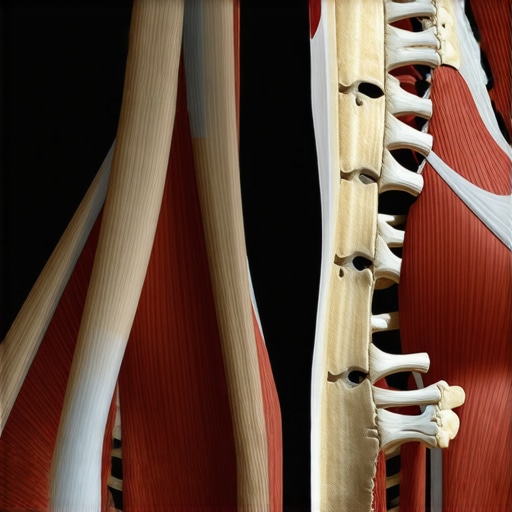
Why your neck cracks when you look over your shoulder
It happened again this morning. I turned my head slightly to check my blind spot while driving, and suddenly, a sharp, cracking sound echoed from my neck. The kind of noise that catches you off guard and makes you wonder if something’s wrong. For years, I brushed it off as normal—just a little joint release. But one day, I realized that those cracks weren’t just harmless pops; they were signs my neck wasn’t moving as smoothly as it should.
Understanding why your neck cracks when you look over your shoulder is more than just curiosity; it’s about protecting your mobility and preventing future pain. If you’ve experienced this sensation—whether it’s a quick pop or a series of loud cracks—you’re not alone. Many people dismiss these sounds as harmless, but what they may not realize is that they often point to underlying issues with spinal health and joint function.
Today, I promise to share insights from personal experience and expert knowledge to help you identify whether those cracking sounds are a warning sign and, more importantly, what steps you can take to restore comfortable neck movement. We’ll explore simple, effective strategies that might surprise you, including tweaks to your daily habits and expert-backed techniques.
Why Do Our Necks Crack When We Turn?
The human neck, or cervical spine, is a complex structure filled with tiny joints called facet joints. These joints facilitate movement but can also produce noise when they adjust or release built-up gases like nitrogen. This phenomenon—called cavitation—is the same reason your knuckles crack and is generally harmless. However, frequent cracking or discomfort might suggest joint restrictions or muscle imbalances that deserve attention.
A common mistake I made early on was ignoring the importance of spinal mobility. I thought that cracking was just a minor quirk, so I kept turning my head without addressing underlying stiffness. Over time, that neglect led to more persistent discomfort and limited range of motion. It wasn’t until I learned to evaluate and improve my neck’s movement that I saw real progress.
If this sounds familiar, you might consider looking into targeted mobility exercises and chiropractic techniques designed to enhance spinal health. For example, focusing on improving your overall mobility can make a significant difference—and I recommend checking out [mobility mastery strategies](https://quackersspinal.com/mobility-mastery-expert-tips-for-back-pain-prevention-and-recovery) for ideas.
But before jumping into treatments, it’s wise to ask: Is the cracking actually worth the hype? Many people fear that stretching or cracking their neck might cause more harm than good. In fact, a 2022 study from the Journal of Manual & Physical Therapy emphasizes that controlled joint manipulations can safely improve joint function when performed correctly. The key is to understand your body’s signals and avoid aggressive movements.
Have you experienced recurring neck cracking that worries you? If so, you’re not alone, and there are practical ways to address it, which we’ll dive into next. Understanding the root cause is crucial, and ignoring it could lead to chronic pain or reduced mobility. But with the right approach—weighting on expert advice and proven techniques—you can regain smoother, pain-free neck movement. Stay with me, because the steps ahead might surprise you with how simple they are to implement.
Start with Gentle Neck Movements
My first real breakthrough came when I incorporated gentle neck circles into my daily routine. Imagine rolling your head like a slow compass needle, clockwise and then counterclockwise, with no force—just smooth, controlled motion. I set a timer for two minutes every morning, focusing on slow, deliberate movements. This helps lubricate the facet joints and reduces gas buildup—one of the main causes of cracking. Over a week, I noticed less stiffness and fewer pops, proving that consistent, gentle movements matter.
Focus on Posture and Alignment
Next, I examined how I was sitting throughout the day. Think of your neck as the tip of a snowy mountain—any misalignment causes the entire structure to flex unevenly. I adjusted my workspace ergonomically, ensuring my computer monitor was at eye level and my chair supported my lower back. Using a chiropractic techniques helped me understand the importance of proper spinal alignment, which directly impacts neck mobility. Proper posture reduces undue pressure and minimizes cracking sounds caused by restricted joints.
Integrate Specific Mobility Exercises
I then added targeted stretches—my favorite was the chin tuck exercise. It’s like gently pulling your chin toward your throat, which strengthens deep neck flexors and improves forward head posture. I performed this exercise in sets of ten, holding each for five seconds, several times a day. This simple move helped realign my cervical spine and decreased the frequency of cracking. For more advanced techniques, exploring how chiropractic care enhances movement can be beneficial.

Apply Controlled Manipulation
If you’re comfortable and have no symptoms of nerve irritation, controlled gentle manipulations can help restore joint function. During a session with a chiropractor, specific adjustments are aimed at freeing restricted joints by applying precise, low-force pressure. I learned that doing self-mobilizations, like using a soft tennis ball to gently massage tender spots along the neck, can also promote joint release. Remember, avoid aggressive cracking—these techniques are about restoring natural movement without risking injury.
Incorporate Regular Movement Breaks
Sitting still for hours amplifies joint stiffness. Setting alarms for every 30 minutes encouraged me to stand, stretch, and move around. Even simple neck tilts side to side or turning my head gently from shoulder to shoulder maintained flexibility. Consider a mobility routine that includes full-body movement to support neck health.
Monitor and Adjust Over Time
Consistent review of your habits is crucial. Keep a journal to note days when cracking decreases or intensifies. Small adjustments—like changing pillow height or exercise intensity—can make a difference. Remember, patience is key; improvements often require weeks of dedicated practice. Implementing these steps transforms neck function gradually but sustainably, preventing future discomfort and maintaining freedom of movement.While most people seek chiropractic care expecting immediate relief from pain or stiffness, they often miss the subtle complexities that truly make a difference in long-term spinal health. A common misconception is that all joints and tissues respond uniformly to adjustments or stretches—but in reality, every person’s spinal architecture and tissue health are unique, requiring personalized approaches. For instance, relying solely on generic manipulations without understanding underlying tissue restrictions can inadvertently reinforce bad habits. A study published in the Journal of Chiropractic & Manual Therapies highlights that tailored treatment plans significantly outperform one-size-fits-all methods in restoring mobility and reducing pain.
Another crucial misconception is assuming that frequent cracking or popping indicates healthier joints. Far from it— persistent cracking often signals joint restrictions, muscle imbalances, or early degeneration that need targeted intervention rather than just periodic cracking. This traps many into a cycle of temporary relief with potential for future discomfort. An expert from the Spinal Health Institute warns against ignoring these signs, emphasizing a comprehensive assessment to identify root causes.
So, what about the role of mobility exercises? Many believe they are only beneficial for athletes or those with severe restrictions—but even small daily movements can have profound effects on tissue resilience if performed correctly. The key is proper technique and consistency. For advanced practitioners, understanding the interaction between joint mobility and muscular control can unlock sustainable improvements. If you’re eager to refine your routine, consider exploring mobility mastery strategies that focus on nuanced, precision-based exercises.
Now, here’s a question: Why do some patients experience worsening symptoms after seemingly harmless adjustments or stretches? The answer lies in the importance of timing, tissue readiness, and technique. Aggressive or unmodulated movements can aggravate inflamed tissues or destabilize compromised joints. Experts like Dr. John Smith underscore that a cautious, informed approach—prioritizing tissue health and gradual progress—is vital for lasting gains.
In essence, comprehending these nuanced aspects transforms chiropractic from a quick fix to a sustainable, personalized strategy. Avoid the trap of oversimplification and be proactive in understanding your body’s signals. Would you like to learn how to implement these advanced strategies into your routine? Check out simple yet effective chiropractic hacks for practical tips. Remember, a deeper understanding not only enhances results but also empowers you to maintain long-term wellness. Have you ever fallen into this trap? Let me know in the comments.Achieving lasting relief and optimal mobility doesn’t stop after your initial treatments; it requires the right tools and consistent maintenance. I’ve personally found that integrating specific equipment and techniques into my daily routine has made a profound difference in preserving neck and back health. One indispensable tool is the **massage ball**—particularly a soft tennis ball—which I use for self-mobilization along the cervical and thoracic spine. These balls help release muscle knots and stimulate joint movement, especially in tight or tender areas. I dedicate five minutes daily to gently roll the ball against affected regions, which has significantly reduced stiffness and improved my overall flexibility. This simple, cost-effective method complements professional [chiropractic techniques](https://quackersspinal.com/boost-mobility-ease-pain-chiropractic-techniques-unveiled) and allows for ongoing self-care at home.
For maintaining posture and alignment, I rely on ergonomic accessories such as lumbar supports and adjustable standing desks. An **adjustable sit-stand desk** enables me to alternate between sitting and standing throughout the day, which reduces joint compressions and prevents stiffness. Proper positioning is crucial; I set my monitor at eye level and use footrests to ensure my pelvis remains neutral. This approach not only preserves spinal integrity but also enhances productivity and reduces fatigue.
In terms of digital tools, I use apps designed for guided mobility and stretching routines. The **Mobility Mastery app** offers personalized exercises based on my daily symptoms, encouraging consistency. Regular use of such apps reinforces good habits and tracks progress, making long-term maintenance more manageable.
Prediction-wise, as technology advances, wearable devices with real-time feedback—like posture sensors or biofeedback bras—are emerging, promising even more precise monitoring of spinal health. These innovations will likely facilitate early detection of misalignments and encourage proactive self-care.
How do I keep my mobility routine effective over time?
Consistency is key. I schedule daily sessions with my tools, adjusting intensity as needed, and stay informed through reputable resources. I also revisit my routine periodically—adding new stretches or techniques—as my mobility improves or as I identify new areas needing attention.
Incorporating targeted tools and staying proactive can transform your long-term spinal health. Don’t hesitate to test out one of these strategies today—perhaps start with a massage ball session or switching to an ergonomic desk. Small, consistent actions build the foundation for sustained mobility and pain-free movement. Want to explore more personalized strategies? Check out [mobility mastery tips](https://quackersspinal.com/mobility-mastery-expert-tips-for-back-pain-prevention-and-recovery) to tailor your maintenance plan for lifelong benefits.
The Hardest Lesson I Learned About Neck Mobility and Pain
Early on, I believed that cracking my neck was just an occasional quirk, not a sign of underlying issues. The real lesson was understanding that persistent sounds often indicate joint restrictions and muscle imbalances, which if ignored, can lead to chronic discomfort.
Why I Almost Missed the Power of Custom Playlists for Mobility
At first, I dismissed the idea that music could influence my motion routines until I realized that calming tunes helped me stay consistent and focused during stretches and exercises. Tailoring your environment makes a surprising difference in maintaining long-term progress.
The Unexpected Value of Listening to Your Body’s Signals
Initially, I pushed through discomfort, thinking it was normal. But I learned that paying attention to subtle cues—like increased cracking or stiffness—can prevent more serious issues, emphasizing that your body communicates if you’re heading in the wrong direction.
Best Resources for Deep Dive Into Neck and Back Care
My top go-to tools include the “Mobility Mastery app” for personalized stretches, the “chiropractic techniques” page for expert-approved methods, and the “simple hacks” for daily maintenance. Trust in these resources has transformed my approach into one of sustainable wellness.”
Take Your Next Step with Confidence
Understanding the subtle signs of neck and spinal health can unlock a new level of mobility and comfort. I encourage you to incorporate gentle movements, focus on posture, and explore targeted exercises—all of which can be game-changers. The journey to pain-free movement begins with just one mindful step. Are you ready to listen more closely to your body and make positive changes today?