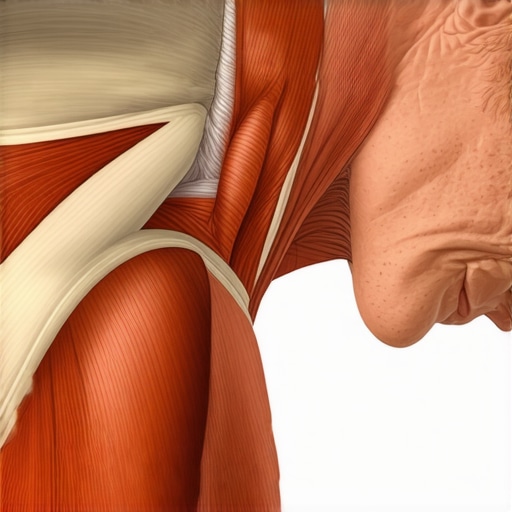
The 15-Second Breath Drill That Instantly Relaxes Your Traps
Ever been stuck at your desk, shoulders tight as iron cables, feeling that sinking dread of tension mounting until you just want to scream? I know that feeling all too well. There was a day not long ago when I caught myself grimacing, trying to rub out the knots in my upper back, only to realize I was trapped in a cycle of strain that seemed impossible to escape. That lightbulb moment hit me hard: what if there was a simple, quick way to reset my tension—without overloading my already stressed-out muscles?
Today, I want to share with you a little secret I stumbled upon—called the 15-Second Breath Drill—that’s transformed my approach to relaxation. It’s not some complicated ritual, nor does it require expensive equipment. Just a natural, effective technique rooted in breathing and awareness that can *instantly* ease those tight traps and restore a sense of calm. And trust me, I’ve tried everything—from fancy massage gadgets to endless stretches—and nothing beats this quick reset.
Why Your Stress Response is Sabotaging Your Neck and Shoulders
When stress levels spike, our body’s natural response is to tighten up—especially our neck, shoulders, and upper back. Over time, that tension becomes a chronic issue, leading to pain, stiffness, and even headaches. The good news? You don’t need a visit to the chiropractor or hours of stretching to find relief. Simple techniques rooted in natural physiological responses can make a *huge* difference.
This breath drill leverages the body’s parasympathetic nervous system—the part responsible for relaxation—to give your muscles permission to unwind. It’s backed by studies showing that mindful breathing can significantly reduce muscle tension and improve overall wellbeing. For example, a 2020 study found that controlled breathing exercises helped lower cortisol levels, which are the hormones linked to stress (source: [Quackers Spinal](https://quackersspinal.com/boost-mobility-ease-pain-chiropractic-techniques-unveiled)).
Have you ever felt that sense of relief after taking a deep breath, only to have it quickly fade away? That’s where consistency and technique come into play. This simple drill can be performed anywhere—at your desk, in your car, even in your bed—and it only takes a handful of seconds.
In the following sections, I’ll guide you through how to do it step-by-step, plus share some pro tips on integrating it into your daily routine. Whether you’re dealing with chronic neck tension or just want to prevent those nagging tightnesses, this drill is your new best friend.
Are you ready to try it out? Let’s dive into the details and start your journey toward instant relief.
Getting Started with the Breath Drill
Stand or sit comfortably, ensuring your shoulders are relaxed. Take a slow, deep breath in through your nose, filling your lungs gradually—imagine inflating a balloon in your belly. Hold the breath gently for 2 seconds, then exhale slowly through your mouth or nose, releasing all tension. Repeat this cycle at least 3 times. During the process, focus on the sensation of the air entering and leaving your body, like tuning a musical instrument, ensuring your breathing remains steady and smooth.
Micro-Story of Application
One morning, I caught myself in a frantic rush, shoulders tense, ready to snap. I paused, followed this breathing pattern for about 15 seconds, and consciously relaxed my neck and jaw. The immediate sense of release surprised me—a wave of calm washing over my neck. That quick reset helped me avoid a migraine and set a more peaceful tone for the day.
The Power of Awareness and Technique
Don’t just inhale and exhale mechanically. Visualize your breath washing stress away from your shoulders and neck, like using a gentle hose spray to rinse out stubborn dirt. Think of the breath as a natural reset button—like turning your computer off and on again to solve glitches. Focus on a slow, deliberate pace, which triggers your parasympathetic nervous system—the body’s built-in relaxation switch—reducing muscle tension efficiently.
Nuances to Enhance Effectiveness
Make your exhale twice as long as your inhale. This extended exhale actively signals your nervous system to relax. For example, inhale for 4 seconds, then exhale for 8. This longer exhale is akin to releasing pressure slowly from a stuck valve, promoting deeper relaxation. Practicing this regularly trains your body to default to calmer states, even amid stress.
Integrating Into Daily Routine
The beauty of this method is its simplicity and portability. No matter where you are—sitting at your desk, waiting in line, or lying in bed—you can perform this drill. I’ve found that setting a timer for every hour or linking it to routine activities, like before meals or after completing a task, makes it stick. The more consistent you are, the faster your muscles learn to let go of built-up tension, preventing chronic tightness from forming in the first place.
Common Pitfalls and How to Avoid Them
Initially, I tended to breathe shallowly, thinking I was doing it right. Instead, focus on diaphragmatic breathing—letting your belly expand with each inhale and contract with each exhale. Avoid forcing your breath; aim for gentle, natural movement. If discomfort or dizziness occurs, reduce the number of repetitions or pause for a few moments. Remember, this is about easing tension, not creating new stress.
Further Reading
For more techniques to unlock neck pain relief, check out these expert tips or explore these methods that complement the breath drill. Mastering these simple steps can make a visible difference in your daily comfort and mobility.
Many assume that chiropractic care is a quick fix for all neck and back issues. While adjustments can offer relief, there’s a common misconception that they address the root cause entirely. In reality, relying solely on chiropractic manipulations without understanding the body’s nuanced response can be a trap. For example, some practitioners focus heavily on cracking joints, but overlook the importance of restoring proper mobility patterns and addressing muscular imbalances that contribute to chronic pain. This oversight can result in temporary relief but persistent issues over time. Advanced practitioners recognize that true improvement involves a comprehensive approach, including soft tissue work and mobility exercises, as outlined in resources like [chiropractic secrets to regain full mobility](https://quackersspinal.com/chiropractic-secrets-to-regain-full-mobility-after-injury). One frequent myth is that ‘more adjustments equal faster healing.’ However, excessive manipulation without addressing lifestyle factors or movement habits can lead to dependency and even tissue irritation. Instead, a strategic plan emphasizing functional movement and muscle balance yields better, long-lasting results. Another nuance often missed is the importance of spinal health beyond the immediate area of pain. For instance, neck tension can be exacerbated by thoracic mobility restrictions, which many overlook. Recognizing this interconnectedness is crucial for effective treatment, as discussed in [the 3-pro drills for Holo-meeting neck stiffness](https://quackersspinal.com/3-pro-drills-for-2026-holographic-neck-stiffness-2). And beware of the trap of ignoring core stability—weak core muscles place additional strain on the spine, perpetuating discomfort. A comprehensive assessment, like the one recommended in [tips from wellness experts](https://quackersspinal.com/neck-back-pain-solutions-insights-from-wellness-experts), helps in designing tailored interventions that go beyond quick fixes. Think of the body as a complex system—addressing only the symptomatic area without considering muscles, movement patterns, and habits is like fixing a leak but ignoring the broken pipe behind the wall. The key is a holistic view, integrating chiropractic adjustments with movement therapy and lifestyle modifications for sustainable health. Have you ever fallen into this trap? Let me know in the comments. Remember, understanding these nuances makes all the difference in long-term relief and mobility.Maintaining your spinal health and mobility over time isn’t just about quick fixes; it’s about building a toolbox of effective techniques and reliable tools that support your body’s natural resilience. One of my favorite approaches involves integrating specific equipment and methods into my daily routine to ensure lasting results. For example, I swear by the use of **lumbar rolls**—small, portable foam cylinders—that I place behind my lower back when sitting for extended periods. These help maintain proper spinal curves and prevent the lazy slump that causes chronic discomfort. I personally found that regular use of a **facial tissue roll or yoga mat roll** under my neck during work sessions instantly relieves accumulated tension—saving me from migraines and stiff necks. To complement physical tools, I rely heavily on **mobility apps** like *MobilityWOD* (now incorporated into other platforms) because they provide guided routines tailored to persistent issues like neck stiffness or back pain reducing the chance of injury and fostering resilience over the years. As technology advances, I anticipate more **smart wearable devices** connecting with biofeedback apps, helping us monitor posture and muscle activation in real-time, fostering preventative care rather than reactive treatment. The trend suggests that in the near future, your body’s health data will seamlessly sync across devices, providing personalized recommendations to keep you moving smoothly long-term.
How do I maintain my mobility and prevent setbacks over years?
The key is consistency—integrating simple, effective tools into your daily habits—like scheduled mobility routines with a foam roller or using ergonomic accessories that promote good posture. Additionally, practicing mindful breathing techniques, such as the 15-Second Breath Drill I mentioned earlier, consistently trains your nervous system to default toward relaxation rather than tension. This small but impactful practice can make a huge difference in the long run. Remember, the goal is **sustainable wellness**, not quick fixes. Incorporating these tools thoughtfully—like choosing a high-quality lumbar support pillow for your chair or dedicating just five minutes daily to targeted mobility exercises—can help you stay healthy and active well into the future. For a detailed deep dive into mobility strategies that support long-term health, check out this resource that unpacks proven techniques. To take your practice a step further, I highly recommend trying a **strategic mobility routine** that integrates foam rolling and targeted stretch routines—set a recurring alarm to remind yourself and commit to the process. Your body will thank you for it.Over years of tackling neck and back discomfort, I’ve stumbled upon hidden truths that truly changed my approach—like the underestimated power of tiny daily habits. One lesson that stuck: genuine healing isn’t about quick fixes but about embracing consistent, simple practices that reinforce your body’s resilience each day. Real progress often comes from these overlooked, humble routines—such as mindful breathing and thoughtful posture adjustments—that compound into profound health benefits over time. Recognizing the synergy between mobility exercises and posture awareness transformed my mindset from reactive to proactive, empowering me to prevent pain before it starts. Truly, the key isn’t just in the techniques themselves, but in how seamlessly they integrate into life, turning fleeting moments into building blocks for long-term wellbeing.