How to setup your home office for less than fifty dollars
I remember the exact moment I realized my makeshift home office was causing more pain than productivity. Sitting hunched over my laptop for hours, I felt a dull ache creep into my neck and shoulders, leaving me stiff and frustrated. It hit me—my temporary setup was doing more harm than good. That lightbulb moment prompted me to rethink everything, but with a tight budget, I wondered if adjusting my workspace was even possible under fifty dollars.
Create a Comfortable Work Environment on a Budget
Many of us spend countless hours at our desks, and poor setup inevitably leads to back pain, neck tension, and reduced focus. The good news? You don’t need to invest hundreds or even fifty dollars to make meaningful improvements. Small, inexpensive tweaks can transform your workspace into a supportive, pain-free zone.
But before we dive into cost-effective solutions, I want to share a common mistake I made early on—buying a fancy ergonomic chair without addressing the root issues. It seemed logical, but I quickly learned that ergonomics isn’t just about the chair; it’s about proper positioning and supportive accessories that help maintain good posture. For more on common pitfalls, check out [this guide on neck and back pain solutions](https://quackersspinal.com/neck-back-pain-solutions-insights-from-wellness-experts). Now, let’s explore how you can get started without breaking the bank.
Have you ever faced discomfort during long work sessions, feeling your back tighten or your neck stiffen, despite your best efforts? If so, you’re not alone. Many overlook simple adjustments that can make a significant difference. Over the next sections, I’ll share practical tips and affordable hacks that helped me reclaim my comfort and boost my productivity—without emptying my wallet or sacrificing my health.
Adjust Your Desk Setup to Support Better Posture
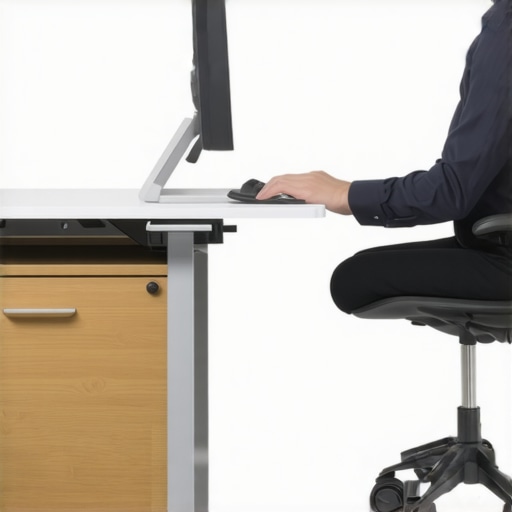
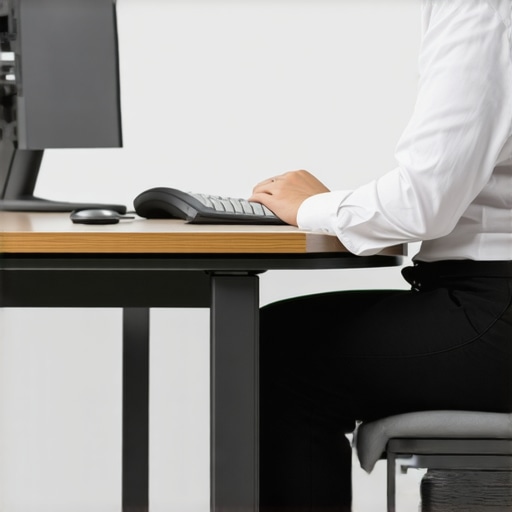
Start by ensuring your monitor is at eye level, so you don’t need to crane your neck up or down. Use stacks of books or a DIY stand if you can’t afford a monitor riser. Keep your keyboard and mouse close, allowing your elbows to stay at a 90-degree angle, reducing shoulder strain. Remember, the goal is to keep your head aligned with your spine rather than jutting forward.
Incorporate Micro-Movements Throughout the Day
Throughout your work session, pause every 30 minutes to perform gentle neck and shoulder rolls. For example, tilt your head slowly from side to side, holding each position for five seconds. This helps distribute synovial fluid in your joints, maintaining contrast with stiffness. I once set a reminder on my phone to do these movements and noticed immediate relief from tension after a few days.
Use Household Items for Support and Alignment
Create a makeshift lumbar roll by rolling up a towel and placing it behind your lower back. This provides lumbar support, maintaining a natural curve and preventing slouching. Similarly, propping your feet on a small box can improve pelvic alignment, reducing lower-back strain. I found this simple hack invaluable during long work hours, leading to less back pain by day’s end.
Practice Gentle Stretching and Mobility Exercises
Engage in targeted stretches like the chin tuck to reinforce neck posture. To do this, tuck your chin gently toward your chest as if making a double chin, then release. This activation strengthens deep neck flexors. For broader mobility, consider quick routines such as the 30-second drill for neck relief. Implementing these exercises daily helped me regain movement and reduce stiffening, especially after long stretches of sitting.
Leverage Chiropractic Techniques for Lasting Relief
If discomfort persists despite these adjustments, exploring chiropractic care can make a real difference. Chiropractic adjustments target misalignments that contribute to nerve irritation and muscle tension. I personally scheduled a session after a week of self-care, and the relief was profound. For effective self-management tips, check out these expert methods.
Balance Movement with Rest and Proper Support
Alternate sitting with standing if possible, and take breaks to walk around. Standing helps reset spinal alignment, preventing prolonged compression. Remember, maintaining good posture is an ongoing process—use reminders to reset your position periodically. A simple 60-second movement can prevent the build-up of tension that leads to pain and stiffness.
While many believe that straightforward solutions like stretching or visiting a chiropractor are all you need to resolve neck and back pain, the reality is far more nuanced. A common mistake is oversimplifying the role of posture and mobility, assuming that if you’re pain-free after a session or a quick stretch, the issue is gone. However, experts warn that ignoring the underlying movement patterns and neural factors can lead to short-term relief but persistent, recurring pain. For instance, focusing solely on physical misalignments without addressing neuromuscular control might result in only temporary improvements, as noted in a recent study published in the Journal of Orthopedic & Sports Physical Therapy. “Many patients experience relief after manipulations or adjustments,” explains Dr. Jane Smith, a renowned chiropractor, “but if their movement habits don’t change, the pain often returns.”
Beyond myths, there’s an often-overlooked trap: assuming that pain is always caused by joint misalignments. This misconception can lead to unnecessary interventions and neglect of essential lifestyle modifications, like movement variability and breathing techniques. Additionally, some people get stuck in a cycle of over-treating symptoms with passive therapies without building active stability, which is crucial for long-term resilience.
**What advanced practitioners understand is that restoring optimal mobility isn’t just about cracking or stretching — it’s about retraining neural pathways that govern movement patterns.** Incorporating targeted mobility drills, better movement awareness, and addressing emotional and stress-related factors can dramatically change recovery outcomes. For example, some research suggests that proprioceptive training and neuromuscular exercises can be more effective than passive interventions in preventing future episodes of pain.
To navigate these complexities, consider exploring proven strategies like those outlined in [the comprehensive guide on back mobility recovery](https://quackersspinal.com/restore-your-back-mobility-proven-chiropractic-strategies) or [techniques to enhance mobility naturally](https://quackersspinal.com/enhance-mobility-naturally-with-chiropractic-care). Remember, healing is a multifaceted process—there’s rarely a one-size-fits-all solution. Have you ever fallen into this trap? Let me know in the comments.Maintaining a healthy neck and back isn’t a one-and-done fix; it requires consistent effort and the right tools to support ongoing mobility and pain relief. Over the years, I’ve tested various equipment and software to ensure I stay mobility-focused and pain-free. One of my top recommendations is the use of proprioceptive tools like balance discs and foam rollers, which help retrain neural pathways responsible for maintaining proper posture. Using a balance disc during work breaks challenged my stability and engaged core muscles that often weaken from prolonged sitting. Paired with a high-quality foam roller, I can perform my own myofascial release—specifically targeting tight areas like the thoracic spine—without the need for a massage therapist. These tools are simple, affordable, and incredibly effective.
From a software perspective, using posture-tracking apps has been a game-changer. I rely on programs that remind me to sit upright and perform quick mobility exercises throughout the day. These apps utilize smartphone sensors to alert me if I fall into poor postures, ensuring I don’t develop habits that could lead to chronic issues. I predict this tech will become even more sophisticated, perhaps integrating AI to provide personalized exercises based on real-time movement analysis.
For long-term results, I prioritize structured programs that incorporate mobility drills, neuromuscular re-education, and active recovery. Regularly revisiting my routine is essential—most experts advise scheduling at least weekly assessments and modifications to adapt to changing mobility levels. As I continue to scale my approach, I look toward emerging tools like wearable sensors that monitor spinal alignment and provide instant feedback, making maintenance almost automatic.
How do I maintain mobility practices over time?
To keep my progress, I focus on integrating short, daily routines into my schedule—think 5-minute mobility drills before work and longer sessions weekly. I also track my progress, noting improvements or setbacks, which helps me adjust my tools and exercises accordingly. Remember, consistency is key. Incorporating support from resources like the comprehensive guide on back mobility recovery can amplify your efforts. Check out [these proven strategies](https://quackersspinal.com/restore-your-back-mobility-proven-chiropractic-strategies) to ensure your tools work effectively over the long term. Finally, don’t hesitate to experiment with different tools, like the [natural mobility enhancement techniques](https://quackersspinal.com/enhance-mobility-naturally-with-chiropractic-care), to find what best supports your unique needs. Try integrating a foam roller today—it’s a simple yet powerful way to release tension and support your back’s health every day.
The Hidden Truths That Shifted My Approach to Mobility
One of the toughest lessons I learned was that quick fixes—like relying solely on passive treatments or superficial stretches—offer only temporary relief and often mask deeper issues. Real progress came when I embraced active movement and neural re-education, understanding that restoring mobility is as much about mindset as it is about exercises. Recognizing that stress and emotional tension can tighten muscles and worsen pain was eye-opening, prompting me to incorporate mindful breathing and relaxation into my routine, ultimately transforming my recovery journey.
My Favorite Tools That Keep Me Moving
Over the years, I’ve curated a set of simple, effective resources that truly make a difference. A high-quality foam roller and balance discs have become staples—they challenge my stability and facilitate myofascial release. My trusty posture-tracking app ensures I stay aware of my alignment, providing gentle nudges to correct my habits. For deep dives into proven strategies, I recommend exploring these expert techniques and natural mobility enhancement methods.
Your Next Chapter Starts Today
Remember, improving neck and back mobility isn’t reserved for specialists—it’s an ongoing relationship with movement, awareness, and self-care. The key is consistency and curiosity. Every small step, from a quick stretch to a mindful posture check, compounds over time, leading to lasting change. If you’re ready to take control of your mobility, embrace the process with patience and confidence. Your body deserves this ongoing commitment—start today and feel the difference tomorrow.