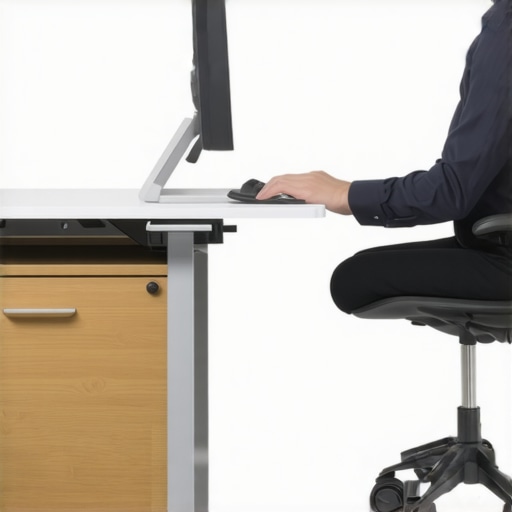
Why your kitchen counter height is wrecking your posture
I vividly remember the moment I realized my kitchen countertop was more than just a surface—it was quietly sabotaging my posture. Washing dishes, chopping vegetables, or just grabbing a snack, I’d find myself hunched over, shoulders creeping up to my ears, and a nagging ache settling into my neck and back. It was a small thing I overlooked for years, until one day, the persistent pain prompted me to dig deeper. That lightbulb moment made me question: could something as simple as counter height be the hidden culprit?
Why the Standard Counter Height Might Be Hurting Your Spine
Most of us don’t give a second thought to the height of our kitchen counters. We assume they’re designed for convenience. But what if they’re not suited to our body? I’ve come to learn that the typical counter height—around 36 inches—may be mismatched with your personal physique, especially if you’re either taller or shorter than average. This mismatch forces your body into awkward positions, leading to strain, especially in your neck, shoulders, and lower back.
Over time, this poor alignment can develop into chronic pain and even impact your mobility. In fact, a study in the Neck & Back Pain Solutions report highlights how minor ergonomics errors in daily routines can escalate into long-term discomfort. My personal experience echoes this: adjusting my counter height improved my posture drastically, and the relief I felt was immediate and lasting.
Have You Faced This Specific Problem?
If you’ve ever spent a long time in the kitchen with a sore neck or stiff shoulders, chances are your workspace isn’t working for you. The good news? Small changes can make a big difference. And I’m here to guide you through that transformation, starting with understanding what really causes these issues.
Now, let’s look at what you can do today to start fixing this sneaky problem and protect your spine. Whether it’s a simple height adjustment or smarter workspace habits, the right approach can help you reclaim comfort and mobility in your daily life.
Adjust Your Counter Height for Better Posture
Start by measuring your elbow height when standing upright with your arms relaxed. Use this measurement to determine the ideal counter height; it should allow your elbows to be bent at roughly a 90-degree angle when you’re working. I remember trying this at my kitchen one evening—measurements in hand, I realized my counter was higher than my elbow height, forcing me to lift my shoulders awkwardly. After lowering the counter by a few inches, I immediately felt relief in my shoulders and neck.
Implement Height Modifications Step by Step
Use Adjustable Surfaces
If possible, replace fixed-height counters with adjustable ones or add a platform that can be customized. For example, installing a modular countertop or placing a sturdy adjustable stand beneath your workspace can make a significant difference. I once placed a thick wooden board beneath my cutting board, which allowed me to set it at a more ergonomic height—initially messy, but immediately beneficial in reducing neck strain.
Modify Seating and Standing Posture
When you work at a counter that’s slightly higher or lower, adjust your stance accordingly. Use a stool or small step to sit or stand at a comfortable height, preventing your body from tilting forward or upward. I started sitting on a low stool during meal prep, which eased the tension on my lumbar spine, proving how small ergonomic tweaks matter.
Incorporate Ergonomic Accessories
Invest in ergonomic mats or cushions designed to support standing in proper alignment. Anti-fatigue mats can help distribute pressure evenly, encouraging better posture when standing for long periods. I placed a cushioned mat in front of my sink; over time, I noticed a decrease in back discomfort and improved alertness while working.
Train Your Body and Mind for Posture Awareness
Regularly check your body position using mirrors or video recordings. This helps you develop muscle memory for proper posture. For example, I recorded myself cooking and noticed I was leaning forward excessively; consciously correcting this while cooking gradually became second nature, leading to ongoing relief.
Seek Professional Advice and Adjustments
If pain persists despite these changes, consult a chiropractor who can assess your specific needs. They might recommend targeted adjustments or exercises. For instance, I visited a specialist who suggested specific stretches and adjustments, resulting in lasting pain reduction. Don’t hesitate to explore options like expert chiropractic solutions tailored to your body.
Remember, small ergonomic changes—such as adjusting counter height and body posture—can prevent a lot of chronic back and neck pain. Consistent application of these actionable steps will transform your kitchen experience into a pain-free zone, supporting your mobility and overall well-being.
 Many people believe that pain relief hinges solely on quick fixes or isolated treatments, but this oversimplification often leads us astray. One common misconception is that chiropractic adjustments alone will permanently fix chronic issues, yet research indicates that addressing underlying movement patterns and posture is crucial for lasting recovery. For instance, a study published in the Chiropractic Secrets to Regain Full Mobility After Injury emphasizes the importance of comprehensive rehabilitative strategies rather than single-session corrections. Additionally, many assume that pain signifies damage, which often results in unnecessary rest or fear of movement. However, pain can sometimes be a sign of your body’s adaptive or protective response, and learnings from experts like Dr. David Simons reveal that movement and proper load management are vital components of effective treatment. Beware the trap of settling for superficial treatments without understanding the intricate mechanics of your spine, muscles, and nervous system. Overlooking these nuances can lead to persistent pain and recurrent injury. Moreover, advanced practitioners recognize that neuroplasticity and habitual postures play significant roles in chronic discomfort. For example, habitual forward head posture can reinforce muscle imbalances, making pain ingrained and resistant to conventional therapy. If you’re curious about how your daily habits influence your spine health, exploring sophisticated approaches like targeted ergonomic adjustments and movement retraining can be transformative. Remember, the root of lasting relief often lies beneath the surface, not just in the symptom. For deeper insights, consider reviewing wellness expert insights on this topic. Have you ever fallen into this trap? Let me know in the comments.
Maintaining optimal spinal health requires more than just awareness—it demands reliable tools, consistent routines, and strategic adjustments. Over the years, I’ve integrated specific equipment and methods that have significantly improved my mobility and pain management. One indispensable tool I rely on is the TheraBand FlexBar. This versatile resistance tool helps me perform targeted mobility exercises, especially for my shoulders and neck, crucial areas prone to stiffness from prolonged poor posture. Its lightweight design makes it easy to incorporate into daily routines, ensuring I stay active and prevent regressions in my progress. Additionally, I’ve found Ergonomic chairs with adjustable lumbar support to be game-changers when working at a desk. These chairs allow me to customize my posture, reducing strain on the lumbar region and supporting natural spinal curves. I personally prioritize models with memory foam cushions and adjustable armrests, as they promote proper alignment and comfort during long hours of work. Moving beyond tools, chiropractic techniques have proven invaluable in my journey. Regular adjustments combined with home exercises recommended by my chiropractor have yielded lasting benefits and prevented flare-ups. As the trend towards holistic care evolves, I see a future where smart wearable devices will regularly monitor posture and provide real-time feedback, empowering individuals to correct misalignments instantly. To stay ahead, I recommend integrating biofeedback tools like posture-correcting wearables which vibrate when you slouch, reinforcing good habits on the fly.
How do I maintain long-term mobility and pain-free living?
Consistency is key. I set daily reminders to perform quick mobility drills and scan my environment for ergonomic improvements. For example, I use a standing desk converter to alternate between sitting and standing, preventing stiffness from prolonged static positions. Incorporating small but regular ergonomic adjustments keeps my spine adaptable and resilient. If you’re serious about sustained health, consider scheduling periodic assessments with a chiropractor who can tailor adjustments and advise on evolving your regimen. Remember: combining targeted tools with mindful habits creates a robust defense against chronic pain and mobility loss. For in-depth strategies, explore natural chiropractic care approaches that complement your toolkit. Ready to upgrade your self-care routine? Try integrating an ergonomic cushion or resistance band into your daily stretches today, and feel the difference.
Lessons That Reshaped My Approach to Living Pain-Free
- Realizing that ergonomic adjustments aren’t just about comfort; they’re essential for long-term spinal health. Small tweaks in counter height and posture habits can prevent years of discomfort, saving you from chronic pain cycles.
- Understanding that my body is unique, and solutions must be tailored: what worked for others might not be enough. Listening to my body’s signals and customizing my workspace allowed me to finally break free from persistent neck and back ache.
- Discovering that daily habits and subconscious postures can reinforce pain patterns. Developing mindful awareness and integrating simple movement routines empowered me to maintain relief and stay active without fear of setbacks.
- Realizing the importance of professional guidance beyond DIY fixes. Regular consultations with chiropractors and experts helped me identify underlying issues and implement sustainable strategies.
- Embracing the idea that lasting mobility is a journey, not a quick fix. Consistency, patience, and informed choices are the keys to enduring comfort and independence.
My Go-To Resources for Staying in Top Shape
- Chiropractic Techniques and Tips: I personally trust these proven chiropractic methods that emphasize movement and load optimization over static treatments, fostering natural healing and resilience.
- Educational Content from Wellness Experts: Insights from trusted specialists have deepened my understanding of spinal mechanics, making me proactive rather than reactive about my health.
- Mobility Tools and Apps: Devices like posture-correcting wearables and apps that remind me to check my stance keep me accountable. I recommend exploring biofeedback options to reinforce ergonomic habits seamlessly.
- Ideal Reading Material: Books such as those that explore holistic care have broadened my perspective, proving that integrated approaches yield sustainable results.
Take Action and Keep Moving Forward
Remember, the journey to pain-free mobility begins with small, deliberate steps. By embracing ergonomic awareness, seeking professional support when needed, and committing to consistent habits, you can transform your everyday environment into a foundation for lasting health. Your spine will thank you for the effort you’re investing today, paving the way for a more active, joyful tomorrow.
What’s one ergonomic change you’re eager to try? Share your plans or experiences below, and let’s support each other in this movement towards better comfort and mobility!