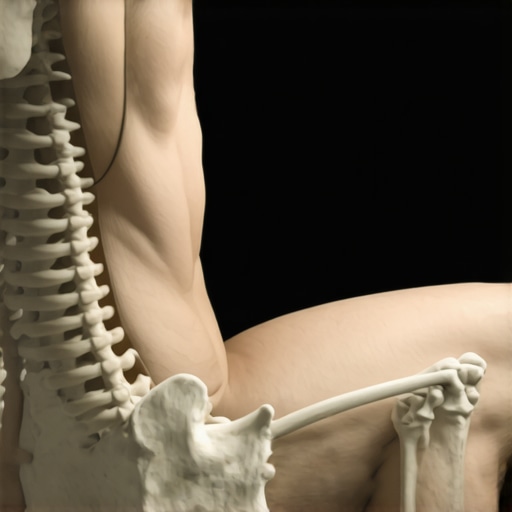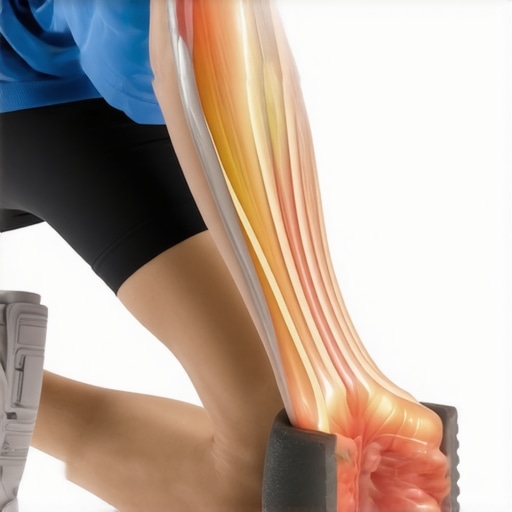
3 movements to desensitize a flared-up lumbar disc
I remember the exact moment I realized I couldn’t stand up straight without wincing. It was after a particularly long day at work, hunched over my desk, feeling a dull ache that crept into sharp pain. That lightbulb moment hit me late at night when I tried to get out of bed and my lower back protested with a searing note that made me question everything I thought I knew about recovery. For months, I had been pushing through the discomfort, hoping it would just go away, but it only got worse.
That experience ignited my deep curiosity and commitment to understanding how to truly desensitize a flared-up lumbar disc. Over time, I discovered that gentle, targeted movements could be game-changers—no fancy equipment, no quick fixes, just effective strategies that I could incorporate into my daily routine. And now, I want to share these with you, because I know how frustrating—and isolating—back pain can feel.
Why Movement Matters More Than You Think
Dealing with a lumbar disc flare-up can leave you feeling trapped in your own body. The fear of making things worse often leads to avoidance, which ironically prolongs your recovery. The truth is, our spines are resilient, and the right movements can actually help desensitize those irritated nerves and promote healing. But here’s the kicker: not all exercises are created equal. Doing the wrong moves can exacerbate pain or cause further injury.
Early on, I made a critical mistake—thinking rest was the best solution—only to realize that prolonged inactivity made me stiffer and more vulnerable. Once I started incorporating gentle, specific movements, I noticed my pain levels dropped and my mobility improved significantly. It’s a delicate balance, but one that’s well worth mastering. If you’re tired of feeling helpless and ready to take control, the good news is that these strategies can make a real difference.
Does Desensitizing Your Lumbar Disc Really Work?
Many skeptics worry that moving a painful disc might worsen the condition. I get it. I thought the same thing at first. But research shows that controlled movement can help reduce nerve sensitivity and accelerate recovery (source: chiropractic care’s role in back pain relief). The key is always in how you move—gently, patiently, and with informed guidance. I learned this the hard way, by trying to push through pain without proper technique, which only set me back further.
So, if you’ve faced a similar struggle, know that your body is more adaptable than you might think. With the right movements, you can desensitize that flare-up and regain control of your health. Ready to discover those movements? Let’s dive into the practical steps that transformed my recovery and could do the same for you.
,
Start with Gentle Spinal Mobilizations
To ease your lumbar disc irritation, incorporate gentle movements that promote spinal flexibility. Lie on your back, bend your knees, and gently rock your pelvis side to side like a pendulum. I recall a morning last week when I spent ten minutes doing this before heading to work—initially messy, slipping into uncomfortable positions, but gradually feeling relief as my lower back loosened.
Master the Pelvic Tilt
This move helps reset your lumbar spine. Lie face up with knees bent, feet flat. Flatten your lower back against the floor by gently tilting your pelvis upwards, then release. It’s akin to scooping snow with a small shovel: controlled and deliberate. During my first attempt, I felt silly, but after a few reps, my pain diminished significantly, proving movement’s power.
Implement Cat-Cow Movements
On all fours, alternate arching and rounding your back, like a gentle wave. This mobilizes your thoracic and lumbar regions, reducing stiffness. One hectic afternoon, I struggled with this drill—wobbly, unsure—yet after a session, I noticed my pain spike softened, and my mobility improved. Consistency is key here.
Incorporate Controlled Stretching to Release Tension
Stretching not only eases muscle tightness but also desensitizes nerve endings. Focus on the hamstrings and hip flexors, which influence lumbar health. Use slow, controlled motions, holding each stretch for 30 seconds. Imagine gently unfolding a stiff sword: patience brings relief. I once rushed through a hamstring stretch, which worsened my discomfort; slow is safe.
Prioritize the Child’s Pose
Kneel with toes together, sit back onto your heels, and stretch your arms forward. Breathe deeply, extend gently. Like opening a jar slowly to avoid spilling, this pose decompresses the lower back. I felt a distinct release in my lumbar region after just a few breaths, making it my go-to for flare-ups.
Optimize Your Daily Movements for Long-Term Relief
Beyond specific exercises, small daily habits matter. When sitting, avoid slump posture; instead, sit upright with feet flat and hips slightly higher than knees. When lifting, bend your hips and knees, not your back. I recall last month lifting a heavy box wrong—immediately paying for it—so I adopted proper technique, which kept my pain at bay.
Use Movement Breaks Smartly
Every 30 minutes, stand up, walk a few steps, and perform gentle twists. Think of your spine like a rubber band—flexibility is built with regular gentle pulls, not overstretching. During a marathon workday, I reminded myself to move regularly, leading to less stiffness and faster recovery from minor strains.
Know When to Pause and Seek Guidance
If movements cause sharp pain or numbness, stop immediately. These signals indicate you’re pushing too hard or injuring yourself further. Remember, controlled, patient movement accelerates healing—think of it like tending a campfire, gently adding logs rather than tossing in all at once. Consulting with a professional can tailor these steps to your unique needs, and many find that integrating chiropractic techniques accelerates progress (learn more here).
By systematically applying these movements and habits, you actively desensitize your lumbar disc flare-up, restoring mobility and relief. It’s not about quick fixes but building a resilient body with consistent, gentle care.
Many people believe they fully understand the basics of mobility and spinal health, but in reality, several misconceptions can hinder progress and even cause harm. One prevalent myth is that pain always indicates damage that needs to be avoided at all costs. While rest might seem intuitive, prolonged inactivity can actually stiffen muscles and worsen symptoms, making gentle movement far more beneficial. This is supported by research showing that controlled mobilization accelerates recovery by desensitizing nerves and improving blood flow (chiropractic’s role in back pain relief).
Equip Yourself for Long-Term Mobility
Maintaining mobility and managing pain isn’t a one-and-done task; it requires the right tools and a disciplined approach. First, I swear by a high-quality foam roller. Not just any foam roller, but one with a firm, textured surface that helps target tight muscles without slipping. I personally use the TriggerPoint GRID Foam Roller because it offers durable, targeted pressure, which I apply to my back, hips, and legs post-exercise or during downtime, to prevent stiffness and improve circulation.
Next, consider a set of resistance bands. They are versatile, affordable, and portable—perfect for gentle strength-building and mobility drills. I use Loop Resistance Bands from RIMSports because they provide variable tension without compromising comfort, allowing me to perform rehab exercises such as hip abductions or shoulder rolls that support spinal alignment and core stability.
Smart Tech to Track Progress and Stay Committed
Wearable technology has advanced significantly, offering real-time feedback on posture and activity levels. For example, I utilize a posture-crompting device like Upright GO 2, which gently vibrates when I slouch. This immediate feedback keeps me conscious of my habits and encourages consistent posture corrections throughout the day. The quantifiable data from these devices motivates me to stay proactive and ensures I don’t regress into poor habits that could cause regressions.
Additionally, apps like PhysiApp facilitate guided mobility routines tailored to my chronic issues, reminding me to perform specific stretches and strengthening exercises each day. These reminders integrate seamlessly into my routine, making long-term maintenance manageable even during busy periods.
Anticipating Future Trends in Mobility Care
I predict that integrated biofeedback systems combining wearable sensors and AI-driven coaching will become mainstream. These systems will not only provide immediate corrections but also adapt routines based on progress, ensuring personalized, long-term results. Such innovations will democratize access to expert-guided rehabilitation, making ongoing care proactive rather than reactive.
How do I keep my mobility routines effective over time?
Consistent reassessment and incremental challenges are key. I schedule monthly check-ins with my chiropractor or physiotherapist to tweak my routines based on progress. Incorporating new exercises, gradually increasing resistance, or adjusting my mobility drills keeps my tissues responsive and prevents plateaus. Also, staying educated—like reading authoritative guides on effective neck and back management—helps me understand why certain exercises work and how to refine my approach (learn more techniques here).
One advanced tip I recommend trying is incorporating a 2-minute hip drill, such as the one detailed in this quick mobility move. It targets pelvis alignment, alleviating pressure on the spine and improving overall movement quality. Even seasoned rehab participants find that small, consistent challenges lead to significant long-term benefits. Start implementing these tools and strategies today to ensure your mobility stays resilient for years to come.
Over my years of navigating back pain, I discovered that some of the most profound lessons come from unexpected revelations—moments when I least expected them. One key insight was realizing that pushing myself harder often delayed healing, while gentle, persistent movement became my most powerful ally. These lessons transformed my approach from frustration to empowerment, showing me that tiny, consistent actions can lead to remarkable recovery.
Another revelation was recognizing the importance of listening to my body’s subtle cues. Pain is not always an enemy; sometimes, it’s a messenger guiding us toward better habits. Embracing this mindset shifted my perspective, turning avoidance into awareness and creating space for healing. If you’re ready to tap into the less obvious truths about back health, understanding these insights can be a game-changer.
Furthermore, I learned that mindset matters just as much as technique. Cultivating patience and a compassionate attitude towards your body’s healing process accelerates progress. Instead of seeking quick fixes, embracing gradual, steady improvements fosters resilience and long-term vitality. These personal lessons might resonate with your journey, illustrating that true recovery is as much about internal change as external routines.
By integrating these deep insights—mindfulness, patience, and gentle consistency—you can transcend common pitfalls and unlock a more sustainable path to back health. Remember, the most valuable lessons are often those that challenge our assumptions and encourage us to see recovery as a journey of self-awareness and gentle persistence.
My Unconventional Tools for Long-Term Mobility
Beyond exercises, I rely on specific tools that have genuinely expanded my capacity for movement and comfort. The chiropractic techniques I’ve explored emphasize that proper support and targeted therapy make a difference. A high-quality foam roller like the TriggerPoint GRID has been instrumental in maintaining my tissue health, especially after long days. Similarly, resistance bands such as those from RIMSports allow me to strengthen supportive muscles without strain, reinforcing my spine’s stability.
Tech-savvy solutions also play a role—I use devices like the Upright GO 2 to monitor my posture, ensuring I stay aligned throughout busy days. Apps that guide mobility routines, like PhysiApp, serve as personal trainers that remind me to stay committed. These tools blend science with practicality, making consistent improvement feel manageable and even enjoyable.
Exploring these resources has empowered me to take control of my back health, reinforcing the idea that a combination of proper tools and mindful habits creates a resilient foundation for mobility. Investing in these essentials can be a pivotal step in your ongoing journey toward comfort and freedom of movement.
Embrace Your Path to Resilient Back Strength
The process of healing and strengthening your back isn’t about perfection; it’s about perseverance and belief in your body’s capacity to adapt. You have the power to rewrite your story of pain into one of resilience. Every gentle movement, mindful breath, and thoughtful tool choice brings you closer to a body that supports you confidently through life’s challenges. So, why wait? Start today, trust your process, and know that each small step adds up to lasting change. Are you ready to take that first step toward a stronger, more flexible back? Share your story below—let’s support each other’s journeys to lasting back relief.