The ‘Dead Bug’ variation that actually protects your spine
It was a morning like any other, but as I rolled out of bed, a sharp twinge shot through my lower back. I’ve been through the usual routines—stretching, foam rolling, even a quick massage—but nothing seemed to ease that unsettling sensation. That moment was my lightbulb moment: I realized that not all core exercises are created equal, especially when it comes to safeguarding your spine. Today, I want to share a simple yet powerful variation of the ‘Dead Bug’ that transformed my approach to core work and, more importantly, protected my back during every movement.
The Real Problem with Classic Core Exercises
Many of us, myself included early on, make the mistake of pushing through pain or neglecting how certain exercises can strain our spines. Traditional core routines often emphasize crunches or sit-ups, which can actually compress your vertebrae and irritate already sensitive discs. I learned this the hard way when I experienced a flare-up after doing a high-rep set of crunches without proper technique. That mistake—ignoring spinal alignment—almost sidelined my progress for weeks. For a thorough understanding of how to avoid such pitfalls, check out this guide on restoring back mobility. Now, I focus on exercises that truly support my spine, not burden it.
Is the ‘Dead Bug’ Really Worth the Hype?
Many people swear by the ‘Dead Bug’ for activating the deep core muscles, but some question whether it’s safe, especially if done improperly. My initial attempt was shaky—tricky to coordinate, and I felt a bit of strain in my neck and lower back. That’s when I realized that the key isn’t just doing the movement but doing it right. Correct form and modifications are essential to reap its benefits without risking injury. Want to see how I perfected my technique? Let’s dive into it. For more tips on cozying up your core routines, visit this article about core workouts and back health.
Learn Proper Execution of the Dead Bug
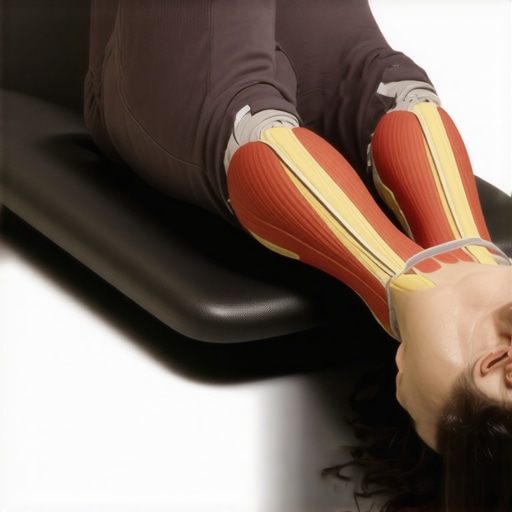
Lie on your back with arms extended toward the ceiling and knees bent at 90 degrees. Engage your core by pulling your belly button toward your spine, as if trying to flatten your lower back against the floor. Slowly extend your right arm behind you while straightening your left leg toward the floor, keeping your lower back pressed into the ground. Return to starting position and repeat with the opposite limbs. I practiced this with slow, controlled movements, initially wobbling and struggling to maintain proper alignment. Over time, focusing on engaging my deep core muscles prevented my lower back from arching, reducing strain and improving stability.
Focus on Spinal Neutral Position
Your spine should be in a neutral, natural curve—neither overly arched nor flattened. Imagine your vertebrae as a stack of books; maintaining a straight, balanced stack prevents undue pressure. During exercises, consistently check that your lower back is in contact with the floor or support, adjusting your pelvis if necessary. I once noticed my back lifting off during reps, causing discomfort. By consciously adjusting my pelvis and engaging my transverse abdominis, I kept my spine in neutral, avoiding unnecessary compression. For further insight, see this guide on restoring back mobility.Many patients and even some practitioners overlook critical nuances that determine the success of chiropractic and mobility strategies. It’s common to hear that stretching is the universal remedy for back stiffness or neck tension, but the truth is more complex. For instance, stretching tight muscles in isolation can sometimes worsen pain if underlying joint restrictions or neural factors aren’t addressed. This mistake often leads people to over-stretch fragile tissues without reinforcing supportive joint mobility, a trap that can prolong recovery.
Are You Ignoring the Bigger Picture of Spinal Health?
One widespread myth is that pain equals damage, prompting over-reliance on painkillers or passive therapies. But research from experts like Dr. Stuart McGill reveals that pain often stems from mechanical dysfunctions—like joint hypomobility or dysfunctional movement patterns—rather than tissue tears alone. Without recognizing this, individuals may treat symptoms temporarily while neglecting root causes, leading to recurrent issues. For advanced understanding, see this guide on chiropractic techniques to improve mobility.
Beware the Trap of Oversimplification in Rehabilitation
For example, focusing solely on strengthening the core without ensuring proper spinal mechanics can reinforce bad habits or uneven loading. Engaging deep stabilizers is vital, but only when the spine is aligned and movement patterns are correct. This is why I emphasize the importance of comprehensive assessments, including joint mobility, neural tension, and biomechanical function. An advanced approach integrates manual therapy, targeted mobility exercises, and neural flossing to prevent the common mistake of neglecting the nervous system’s role. As Dr. John Sarno points out, pain can be neurogenic, requiring clinicians to look beyond muscles and joints. Check out these proven strategies for restoring back mobility. It’s easy to fall into the trap of patchwork solutions—treating isolated symptoms—rather than addressing the full biomechanical puzzle.
How Can Practitioners Safeguard Against Advanced Mistakes?
Incorporating functional movement assessments, understanding neural contributions, and personalizing rehab programs are key. That’s why I prioritize a holistic, multi-disciplinary perspective, blending chiropractic adjustments, nerve mobilizations, and movement retraining tailored to each individual. This approach minimizes the risk of ineffective treatments and accelerates long-term recovery. Remember, the goal isn’t just pain relief but optimizing lifelong spinal health. Have you ever fallen into this trap? Let me know in the comments and share your experiences!
Maintaining spinal health over the long haul requires more than just exercises; it demands the right tools and habits that support progress and help prevent setbacks. As someone committed to holistic back and neck care, I’ve curated a set of equipment and techniques that I personally use daily, designed to optimize mobility, reduce pain, and scale my efforts sustainably.
Invest in a Quality Foam Roller
I swear by my medium-density foam roller. Not just for post-workout recovery, but as a daily gentle massage tool, it helps release myofascial restrictions in my upper and lower back. I focus on my thoracic region to improve comprehensive mobility, which in turn alleviates compensatory neck tension. The key is to select a roller with the right density—not too hard to cause discomfort, and not too soft to be ineffective. Consistent use has markedly improved my spinal flexibility and reduced stiffness.
Use a Lumbar Support Cushion
Sitting throughout the day can stiffen my lumbar spine, especially if I don’t pay attention to posture. I prefer ergonomic lumbar cushions that contour exactly to my lower back curve, supporting spinal alignment during long desk hours. This small addition helps maintain my natural lumbar lordosis, preventing the habitual flattening or arching that often leads to pain. Incorporating this simple tool prevents me from reverting to poor posture habits, especially when working remotely.
Employ Neural Flossing Devices with Caution
Neck and back neural tension can trap sensations and contribute to chronic discomfort. I recommend neural flossing tools, like foam-based devices, used under guidance—either via professional tutorials or expert consultations. I personally incorporate gentle neural mobilizations, which have helped me avoid nerve entrapment syndromes. For anyone interested, I suggest starting with minimalist, user-friendly tools along with proper instruction to avoid inadvertent strain.
Prioritize a Digital Posture Corrector
With most of us glued to screens, I use a discreet posture correction app paired with a wearable device that reminds me to maintain optimal head and shoulder alignment. Technology has advanced to provide real-time feedback; I’ve found this invaluable for cultivating long-term habits. Regularly checking my posture prevents the gradual forward head and rounded shoulders that often accompany neck pain.
Plan for Long-term Results and Scaling
As I progress, I aim to integrate gentle strength training tools like resistance bands for targeted stability work. Scaling my routine involves gradually increasing intensity and complexity, always mindful of spinal mechanics. Incorporating periodic assessments—such as the back mobility tests—helps me track improvements and adjust accordingly. I foresee a future where tech-driven biofeedback and smart wearable sensors become more integrated into everyday spinal health routines, making proactive care more accessible.
How Do I Maintain Spinal Mobility Over Time?
Consistency is crucial. I dedicate 10 minutes daily to mobility drills combining foam rolling, neural flossing, and posture checks. Regular chiropractic adjustments, done at intervals recommended by my practitioner, support structural alignment and ensure my tools and habits are aligned with my long-term health goals. For a comprehensive approach, I also keep myself educated about emerging tools and techniques—like AI-driven posture monitors—which are gradually making their way into mainstream care.
If you’re serious about protecting your back and neck, I highly recommend trying essential tools like a quality foam roller and a posture reminder device to start building those healthy, sustainable habits today. Remember, investing in your spinal health isn’t a one-time act but a continuous, scalable journey.
 Through years of experimenting and learning, I discovered that the most effective strategies for spinal health often come from unexpected lessons and personal insights. One of the hardest lessons I learned was that overemphasizing certain exercises without proper technique can do more harm than good, especially when it comes to protecting your spine. I realized that every movement should prioritize spinal neutrality and strength in supporting muscles rather than risking alignments with generic routines. Additionally, I uncovered that technological tools, such as posture correctors or neural flossing devices, are most beneficial when integrated into a comprehensive, personalized plan rather than used in isolation. Lastly, I learned that patience and consistent habits are key—progress might be slow, but sustainable change in spinal health is well worth the effort and persistence.