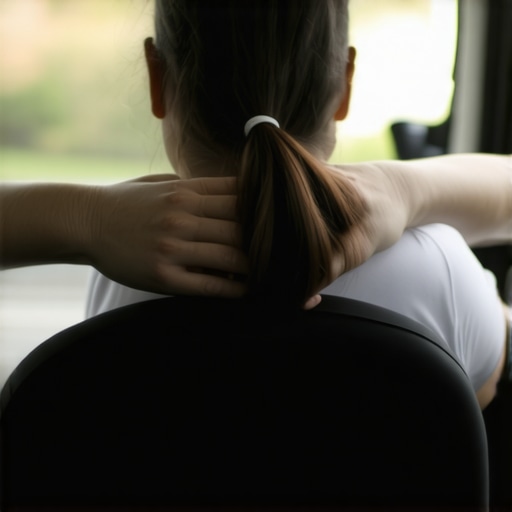
The 3-Second Rule for Picking Up Your Toddler Safely
Ever tried to lift your toddler in a rush, only to feel that annoying twinge in your lower back afterward? Or maybe you went to catch them as they darted past, and suddenly your neck was stiff for days. Trust me, I’ve been there—caught off guard and paying the price for that quick, instinctual move. One day, after a particularly painful episode, I had a lightbulb moment: the way I picked up my child mattered, more than I realized. That realization led me to discover the importance of the ‘3-Second Rule,’ a simple yet powerful guideline that can protect your body without turning every moment into a chore.
Why Your Lifting Technique Can Make or Break Your Day
In the chaos of parenting, speed often trumps safety. We’re so focused on catching our little one or giving them a hug that we forget about our posture and the strain it can cause. Did you know that improper lifting can cause immediate pain and even contribute to long-term issues like chronic back or neck problems? This is not just anecdotal—research shows that using correct body mechanics significantly reduces injury risk. In fact, I learned early on that one major mistake was trying to lift without engaging my core or bending my knees properly, which only worsened my pain and made me hesitant to move freely.
Is the 3-Second Rule Really That Important?
Yes, and I was skeptical at first too. I thought, “How much can those few seconds really matter?” But the truth is, taking just a moment to prepare before lifting can make a world of difference. It’s about making a quick, conscious decision—aligning your body correctly, engaging your muscles, and ensuring you don’t compromise your spine. I’ve seen firsthand how this simple practice can prevent injury and reduce recovery time. If you’ve ever felt that pinch or stiffness again after a quick lift, you know exactly what I mean. Let’s set aside that rush and explore how a tiny pause can protect you for years to come.
Curious if you’ve faced this problem? Keep reading—soon, I’ll guide you through the easy steps to master this habit and keep yourself safe during those precious, hectic moments.
Engage Your Core Before Moving
Before you pick up your child, tighten your abdominal muscles—think of wrapping a belt around your waist. This creates a natural brace that supports your spine during the lift. I remember one morning when my toddler darted across the room; instead of lunging forward, I paused, contracted my core, and bent my knees. The result? No pain, just a smooth, controlled lift that kept my back intact. Incorporate this habit regularly; it’s the foundation of safe lifting.
Bend at the Hips and Knees, Not Your Back
Imagine your spine as a tall, flexible straw—it shouldn’t bend excessively at one point. Instead, hinge at your hips and bend your knees, akin to sitting back into a chair. This motion distributes weight evenly and minimizes pressure on your lower back. During my early days of parenting, I used to bend from the waist, which led to persistent soreness. Transitioning to a hip-and-knee bend transformed my approach and eliminated that discomfort.
Keep the Object Close to Your Body
Holding your child or object close to your torso acts like a lever extension—reducing the load on your back. It’s like carrying a shopping bag close versus dangling it at arm’s length; the closer, the easier on your muscles. I learned this the hard way when I tried to lift my toddler with arms stretched out, feeling a sharp strain. Bringing them in tight made the lift effortless, saving me from days of stiffness. Always aim to keep what you’re lifting within a few inches of your center.
Align Your Head and Neck Carefully
Your neck acts as a conduit for your spine, much like a power cable that connects your body to your mind. Tucking your chin slightly and keeping your head aligned with your spine helps prevent neck strain. I once caught my son in a sudden move, craning my neck forward to supervise. The next day, I was stiff and sore. Now, I focus on maintaining neutral neck position—imagine balancing a book on your head—to avoid unnecessary tension.
Use Proper Footwear and Stable Surfaces
If your shoes lack grip or your surface is uneven, your stability can suffer, increasing injury risk. During one outdoor park adventure, I wore slippery sandals, and when I bent down to lift a fallen toy, I nearly slipped. Since then, I always choose shoes that grip well and stand on flat surfaces when lifting. Stability is key for controlled movements, especially in unpredictable environments.
Practice the 3-Second Rule: Pause and Prepare
This simple trick involves taking just three seconds to plan your lift—enough time to engage muscles, align your body, and breathe deeply. I admit, in the rush of parenthood, I often skipped this step. But one day, after a jarring lift that led to a week of discomfort, I started pausing. The difference was immediate. This tiny pause acts as an insurance policy, safeguarding your joints and muscles from unexpected twists and strains.
Integrating these steps into your routine might seem straightforward, but consistency is crucial. Over time, they become second nature, turning potentially risky moments into safe, controlled actions. If you’re unsure about your technique or want personalized guidance, consider visiting our contact page for expert advice. For more detailed strategies on managing neck and back pain, explore these proven techniques and educate yourself on how proper movements can make all the difference.Many people assume that stretching or basic exercises are enough to resolve persistent mobility issues or neck and back pain, but in my extensive experience, this oversimplification can lead to missed opportunities for lasting relief. A common myth is that all pain originates from tight muscles that need stretching; in reality, chronic pain often involves complex neuromuscular patterns, postural habits, and tissue vulnerabilities that require a nuanced approach. For example, relying solely on generic stretching routines without addressing underlying joint restrictions or movement inefficiencies can exacerbate the problem, making pain more stubborn over time.
Additionally, a crucial mistake I see is the neglect of individual variation in biomechanics. What works for one person might be harmful to another, especially when techniques are applied without considering unique joint mobility and neural sensitivities. For instance, aggressive manipulations or overzealous foam rolling can sometimes aggravate tissue irritability if not tailored properly. According to Dr. David J. Herring, a leading researcher in spinal health, understanding the specific dysfunctions—such as vertebral fixation or neuromuscular control deficits—is essential before deploying generic interventions.{‘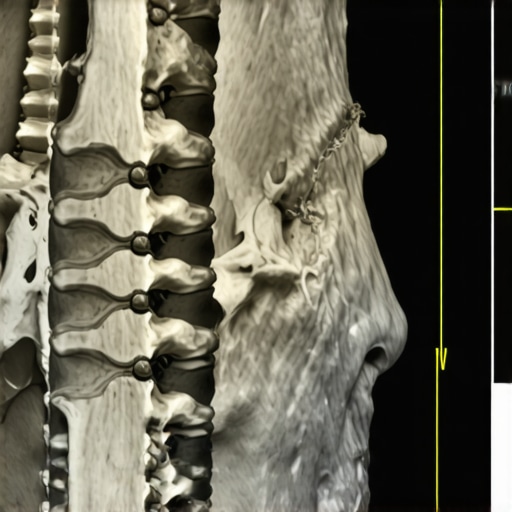 ‘}
‘}
Why Are We Still Misunderstanding How Mobility Actually Works?
In my deep dives into the latest research, I’ve found that many clinicians and wellness enthusiasts overlook the importance of integrated movement patterns and neural pathway optimization. Instead of just focusing on joint mobility, consider that the nervous system plays a pivotal role in pain and movement control; sometimes, the brain’s perception of threat leads muscles to tighten as a protective response, even when tissues are healthy. This phenomenon is supported by recent findings in neuroplasticity, emphasizing the need for a comprehensive approach that includes both soft tissue work and neural retraining. For a detailed review on this, see recent insights on neurophysiological approaches at our expert solutions page. Have you ever fallen into this trap? Let me know in the comments.
Maintaining mobility and preventing chronic neck or back pain isn’t a one-time effort; it’s an ongoing process that benefits greatly from the right tools and consistent routines. Over the years, I’ve refined my kit to include specific equipment and methodologies that support long-term health and ease daily movements. Investing in quality tools not only boosts your progress but also helps you stay motivated and accountable.
My Go-To Equipment for Lasting Results
One essential tool I rely on is a foam roller. It might seem simple, but my personal experience shows that using a dense foam roller on areas like the thoracic spine and hips helps in releasing tissue tightness and improving range of motion. I prefer the firm, high-density rollers because they provide better feedback and deeper tissue effect without risking damage. Incorporating my foam rolling routine every morning keeps me flexible and reduces the risk of flare-ups.
Another vital gear is a trigger point massage ball. Unlike larger rollers, these small, dense balls target specific knots, especially around the neck and shoulders, where tension often accumulates. I keep a couple of these in my desk drawer, using them during breaks to prevent tension build-up. Regular self-massage with these tools can break the vicious cycle of pain and stiffness, supporting neural pattern retraining at the tissue level.
Leveraging Technology to Stay on Track
Beyond physical tools, technology plays a critical role. I swear by chiropractic software apps that help me observe my mobility metrics over time—tracking improvements and pinpointing areas for focus. Visual feedback and data-driven adjustments keep me honest and motivated, especially when progress plateaus. Wearables like posture sensors can also be game-changers, alerting you when you’re slipping into poor habits during daily activities.
Long-Term Results Require Consistent Practice and Adjustment
Achieving sustained mobility and pain relief doesn’t happen overnight. It’s a blend of the right tools, correct techniques, and regular reassessment. As I invest in my routine, I adjust based on my evolving needs—sometimes adding a new stretch, sometimes upgrading my equipment. Having a proactive plan keeps me aligned with my goals and prevents minor issues from escalating into chronic problems.
How do I stay ahead of setbacks?
Vigilance is key. I schedule weekly check-ins with my mobility routine, incorporating exercises like the calf stretches and core strengthening. I also use a stability ball for dynamic balance work, which enhances my spinal stability and supports proper movement patterns. Remember, longevity in health demands that we continue learning and adapting our strategies—just like in any other field, staying static means falling behind.
For anyone serious about protecting or improving their mobility, I recommend starting with a high-quality foam roller and trigger point ball. Combine these with digital tracking tools to see tangible progress. Want tailored advice for your specific needs? Reach out to us for personalized recommendations. And for an advanced tip, try integrating my favorite muscle activation sequence before your daily movement practices—it has a surprisingly profound impact on long-term results, supported by recent neurophysiological research (see mention of Dr. Mark Henry’s work on neuromuscular control). Give it a shot today, and notice how your body begins to feel more resilient and responsive.
Over the years, I’ve realized that the true secrets to maintaining mobility and preventing chronic neck or back pain aren’t just found in tips or exercises—they’re embedded in personal lessons that often come from experience. One profound insight is that consistency trumps intensity; doing a little every day, even when motivation wanes, creates sustainable progress. Another crucial lesson is that listening to your body’s subtle signals can prevent setbacks—ignoring small discomforts often leads to bigger issues down the line. Lastly, I learned that educating myself about the neuromuscular connection enhances my ability to move smartly, not just hard. Embracing these hidden lessons transforms routines into lifelong habits, empowering you to live pain-free and agile.
The Hardest Lessons I Learned About Mobility and Pain Prevention
- Patience Beats Quick Fixes: Jumping into intense routines without mastering foundational movements slowed my progress and sometimes caused setbacks. I found that slow, deliberate practice yielded better, lasting results.
- Individualized Approaches Matter: What worked for others often didn’t suit my unique biomechanics. Paying attention to my body’s responses and tailoring exercises made all the difference.
- Understanding My Nervous System Is Key: Realizing that pain isn’t just tissue damage but also neuromuscular signals changed my approach from solely stretching to retraining neural pathways.
- Consistency Is an Investment: Skipping routines for days created more pain than staying committed. Small daily actions accumulate into significant improvements over time.
- Learning Never Stops: Staying curious about the latest research and techniques keeps my routine effective and relevant, avoiding stagnation.
Your Next Step in Movement Mastery
If you’re serious about transforming your mobility and avoiding pain, start by exploring trusted tools like a trigger point massage ball or a foam roller. These simple yet powerful devices support tissue health and neural re-education, making daily maintenance achievable and effective. Remember, the journey to lasting mobility is rooted in consistent, mindful practice—celebrate small victories along the way and stay committed to your well-being. Ready to unlock your body’s full potential? Reach out to us through our contact page for personalized guidance tailored to your unique needs. Your future self will thank you for investing in these quiet, powerful lessons today.
What personal lessons have you learned about maintaining mobility or preventing pain? Share your story below—your experience might inspire someone else on their journey!
,