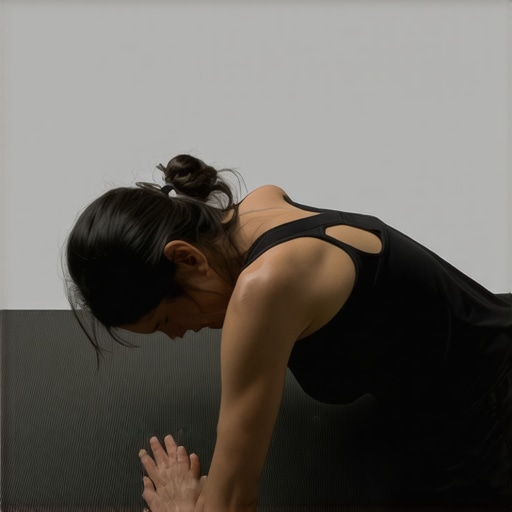
How Your Choice of Footwear is Affecting Your Sacroiliac Joint
It was a morning like any other, but as I shuffled out of bed, a sharp pain shot through my lower back. I had thought my usual workouts and stretching routines were enough, but this discomfort felt different—more persistent and nagging. Later that day, after exchanging a few words with a fellow enthusiast, I had a lightbulb moment: my shoes. Yes, those seemingly harmless accessories we wear every day might be secretly sabotaging my sacroiliac joint, the often-overlooked culprit behind persistent lower back pain.
Why Your Shoes Might Be Causing More Damage Than You Think
If you’ve ever experienced lingering back pain or a stiff pelvis after a long day, you’re not alone. Many people overlook the impact of footwear on their pelvic and spinal health. The wrong shoes can alter your gait, misalign your pelvis, and place undue stress on your sacroiliac joint, leading to chronic discomfort and mobility issues. I learned this the hard way—early on, I made the mistake of ignoring my footwear choices and focusing only on exercises and stretches without considering the foundation underneath my feet. That mistake is common but easily rectified.
Is Your Footwear Actually Worth the Hype?
Many of us have trusted trendy shoes or comfortable sneakers without realizing their long-term impact on our health. I used to dismiss the importance of proper footwear until I faced ongoing SI joint pain that no amount of stretching could solve. It was only after I revisited my shoe choices and learned how they affected my pelvic alignment that I started seeing real improvements. For a deeper understanding of back and neck pain solutions, I recommend checking out these insights from wellness experts. Remember, small changes in footwear can have a profound effect on your overall mobility and comfort.
So, are you experiencing similar issues? Have recent shoes contributed to your back discomfort? If yes, keep reading. We’re about to dive into practical steps to identify problematic footwear and how to choose supportive shoes that can help restore your sacroiliac joint health, ultimately enhancing your mobility and quality of life.
Identify Your Faulty Footwear
Start by assessing your current shoes: do they lack arch support, have uneven wear patterns, or are they too stiff? I remember a time when I kept wearing a stylish pair of sneakers that looked fine but caused subtle pelvic misalignments. I took them off and examined the soles: uneven wear indicated poor arch support. Applying the concept that your shoes are like the foundation of a building, if the base is unstable, the entire structure suffers, leading to SI joint stress. To analyze your footwear effectively, compare shoes side-by-side for discrepancies and check for excessive worn areas.
Check for Proper Arch Support and Cushioning
Ensure your shoes have adequate arch support to keep your foot’s natural alignment. Walking barefoot or in minimalist shoes may feel freeing but can exacerbate instability if your feet lack strength, much like a tent without stakes. I experimented with supportive insoles, often replacing factory inserts with custom orthotics, which significantly reduced my pelvic discomfort. Remember, your shoes should stabilize your foot without forcing unnatural positions. For guidance, consider consulting chiropractic strategies that incorporate footwear assessment.
Make Supportive Shoe Choices
Opt for footwear that promotes neutral alignment: look for shoes with a firm heel, a supportive midsole, and flexible forefoot. When selecting new shoes, focus on fit: they should snugly hug your heel and midfoot without squeezing. My breakthrough came when I swapped my worn-out running shoes for a pair with proper motion control, which allowed my pelvis to realign naturally. Think of your feet as the roots of a tree—stable roots lead to a healthy trunk (your spine). Choosing the right shoes is like planting a sturdy foundation, preventing the chain reaction of misalignments that cause SI joint pain.
Break in New Shoes Carefully
New footwear should be introduced gradually. Start by wearing them for short periods, just like warming up before a workout, to allow your foot muscles to adapt. In my experience, rushing into full days of new supportive shoes sometimes caused discomfort, so I slowly increased wear time, which helped my body adjust. This process prevents blisters and ensures your gait remains balanced, reducing sudden stress on the pelvis. Remember, consistent, incremental changes lead to lasting improvements in mobility and pain relief.
Additional Tips for Long-Term Relief
Regularly replace worn shoes—think of it as maintaining a machine for optimal performance. A worn-out sole can’t support your orthopedics, leading to compromised alignment. Keep an eye on shoe age; experts often recommend replacing athletic shoes every 300-500 miles or roughly every 6-12 months, depending on usage. If you find that your back or SI joint pain persists despite good footwear, consider supplements like orthotics or visit a chiropractor for targeted adjustments. Proper shoe choices are the first step, but combining them with exercises and professional care enhances your chances of lasting relief from sacroiliac joint discomfort.

Beyond The Surface: The Nuances That Could Be Sabotaging Your Recovery
Many assume that back pain, neck discomfort, and mobility issues are solely due to muscle strain or injury. However, this oversimplification often leads to ineffective treatments and prolonged suffering. In my experience, one of the most overlooked factors is the intricate relationship between the nervous system and musculoskeletal health. For instance, a common myth is that chiropractic adjustments are a quick fix for all back issues. While they can be highly effective, their true power lies in addressing underlying neuromuscular imbalances that impede recovery. To gain an advanced perspective, consider the work by Dr. Robin Youngson, who highlights how invisible factors like neural tension influence chronic pain. Recognizing this nuance allows for personalized care strategies that go beyond symptomatic relief and target root causes, which can significantly enhance mobility and long-term health.
Why Assuming All Back Pain Is The Same May Hold You Back
It’s tempting to think that back pain is uniform and treatable with a one-size-fits-all approach. Yet, the reality is far more complex. For example, pain stemming from ligamentous instability requires different techniques than pain from nerve entrapment. Misdiagnosis can lead to exacerbation of symptoms, especially if one falls into the trap of over-relying on passive treatments like heat or pills, neglecting active improvements through specific exercises or chiropractic techniques. Studies show that tailored interventions, considering individual neuromuscular patterns, drastically improve outcomes.
How Advanced Techniques Can Prevent Future Injuries
Many practitioners focus solely on pain relief without addressing the underlying movement deficiencies. Techniques such as functional movement assessments and neuromuscular re-education are essential to restore true mobility. For instance, improving your core stability and limb coordination can prevent recurrence, especially in cases of chronic neck or back pain. If you’re looking for strategies that link therapy with movement science, explore proven chiropractic strategies designed for long-term resilience. Remember, the goal isn’t just to feel better but to move better and stay healthy.
One common trap to avoid is neglecting the importance of proper assessment. Using outdated or generic protocols can miss subtle but significant neuromuscular dysfunctions. Be cautious of quick-fix claims and seek practitioners who incorporate comprehensive assessments, including postural analysis and movement screening. This deeper understanding empowers you to make informed decisions about your care, ultimately leading to more effective and sustainable improvements.
Have you ever fallen into this trap? Let me know in the comments.
Achieving long-term relief from back pain, neck discomfort, or mobility issues isn’t solely about quick fixes; it requires consistent maintenance and the right set of tools. Over the years, I’ve refined my approach, combining evidence-based techniques with technology to ensure sustained progress. One of the core strategies I swear by is routinely incorporating specific mobility drills that target neuromuscular balance, such as the 30-second glute activation. This simple yet effective drill re-engages dormant muscles that often weaken due to prolonged sitting or injury, directly supporting your pelvic and spinal stability.
In addition, I rely heavily on functional movement assessments using sophisticated software like KINOVA MotionAnalysis. This tool captures precise movement patterns and identifies subtle defects in gait or posture that may be sabotaging your recovery. For example, a minor asymmetry in hip motion, often overlooked, can translate into significant SI joint stress over time. Regularly analyzing these nuances helps me tailor my exercise routines and avoid regressions.
For maintaining spinal health, I recommend integrating targeted chiropractic techniques that focus not just on symptom relief but on correcting underlying neuromuscular imbalances. Practitioners trained in **functional neurology** utilize tools like advanced chiropractic techniques to restore proper nerve pathways, which enhances overall mobility and reduces recurrence.
Looking ahead, I predict a growing intersection between wearable tech and chiropractic care. Devices capable of real-time posture correction and muscle engagement monitoring will become mainstream, making compliance and long-term maintenance more effortless than ever. Incorporating biofeedback devices like Upright GO into daily routines can serve as constant reminders to maintain proper alignment, reinforcing good habits over time.
So, how do I maintain my back health over the long haul? The key lies in consistency and leveraging the right tools. Start with simple yet scientifically validated exercises like the glute squeeze and complement them with tech that provides objective data about your movement patterns. These strategies ensure your mobility stays intact and prevent minor issues from snowballing into chronic pain.
How do I keep my back and neck mobile without risking setbacks?
Aside from routine exercises, I stay proactive by scheduling regular check-ins with my chiropractor, who employs proven chiropractic strategies to fine-tune my spinal alignment. Adding in specific mobility tools like foam rollers and massage balls helps maintain tissue flexibility. However, the most significant advancement I recommend is adopting wearable biofeedback devices—this keeps you accountable for maintaining good posture and movement throughout the day. For instance, trying out the PostureSense app integrated with a smart posture trainer can dramatically reduce the tendency to slump, especially during long work sessions. Give it a try by incorporating one of these advanced tips today and see how it transforms your mobility maintenance routine.
What I Wish I Knew When I Started My Journey to Mobility
One of the most profound lessons I learned was that overcoming back and neck pain requires more than just quick fixes or surface-level treatments. I realized that true progress often comes from questioning my assumptions—like believing that only exercises or medication could resolve my issues. The moment I shifted my focus to include footwear choices, neuromuscular balance, and personalized assessment changed everything. This journey revealed that pain is rarely caused by a single factor; instead, it’s the result of a complex interplay of habits, environment, and (sometimes hidden) neurology. Embracing this insight helped me develop a holistic approach, integrating active movement, professional care, and mindful habits, which ultimately transformed my mobility and quality of life.
My Essential Toolbox for Lasting Mobility
Through years of experimenting and learning, I’ve curated a set of tools that make a tangible difference. First, I swear by chiropractic strategies focused on neuromuscular re-education, which address the root causes of misalignments. Second, incorporating simple mobility drills like the 30-second glute activation ensures my muscles stay engaged and resilient. Third, I rely on advanced assessment tools, such as KINOVA MotionAnalysis, which help identify subtle gait or posture imbalances before they turn into chronic issues. Lastly, wearable biofeedback devices like PostureSense reinforce good habits throughout my day. These tools work together to sustain mobility, prevent setbacks, and empower me to move with confidence.
Stay Inspired: Your Next Steps in Back and Neck Care
Remember, the path to lasting relief and improved mobility is a journey worth taking. Start small by evaluating your footwear, embracing tailored exercises, and seeking professional assessments that consider your unique neuromuscular patterns. Incorporating innovative tools and staying committed to proactive habits will help you build resilience against future discomfort. The future of back and neck health is increasingly personalized and tech-enabled, making it easier than ever to maintain your mobility. Take that first step today—your body will thank you for it.
What’s one change you’re willing to try this week to support your back or neck health? Share your intentions below—I’d love to hear your plan!
,