The One Exercise You Should Never Do For Sciatica
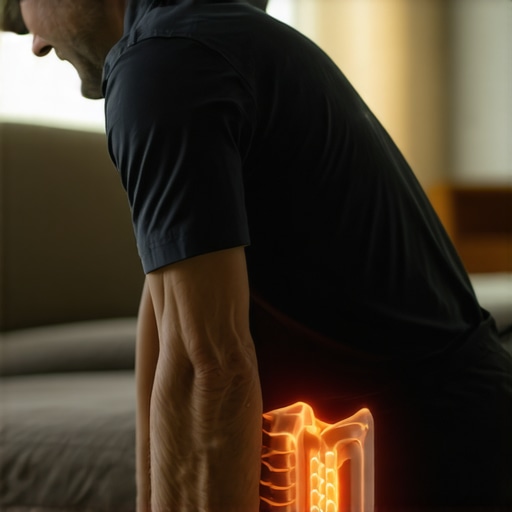
It was a morning just like any other, but as I did my usual stretch before grabbing my morning coffee, I felt that sharp, sudden jolt in my lower back. It wasn’t the typical stiffness—it was something more insidious. I remember thinking, “Here we go again.” That lightbulb moment hit me hard: I had been unknowingly doing the wrong exercise for my sciatica, and it was making everything worse. If you’ve ever wrestled with persistent back or leg pain, you know how frustrating it can be—like your body’s fighting you at every turn.
Why the Wrong Exercise Can Turn Pain Into a Nightmare
The truth is, not all exercises are created equal—especially when it comes to sciatic issues. I used to believe that stretching the hamstrings or doing aggressive core workouts would help me heal faster. But I learned the hard way that some exercises can do more harm than good, especially if you’re not sure what your body really needs. It wasn’t until I made a few critical mistakes—like overlooking proper alignment and ignoring personalized advice—that I worsened my symptoms.
The key is to understand that your body’s response to different movements can be unpredictable. Some exercises that claim to relieve sciatic pain might actually inflame your nerves, especially if done improperly. What I needed was a tailored approach—one that respects my unique spinal health and mobility levels. And guess what? There are proven strategies that have helped me, and many others, find relief without risking further injury.
Are you tired of trying exercises that just don’t work or, worse, make your pain worst? You’re not alone. Many people fall into the trap of common routines that seem logical but are actually counterproductive.
Unlocking Neck Pain Relief offers insightful guidance on safe and effective ways to alleviate discomfort. Plus, knowing which exercises to avoid can save you from months of misery.
So, in the upcoming sections, we’ll explore the specific mistakes many make and what you can do differently. Trust me—I’ve walked this path, and I’m here to help you skip the pitfalls and move toward a pain-free life. Let’s get started.
Identify and Correct Your Posture Habits
Start by observing how you sit and stand throughout the day. I once caught myself slouching at my desk, which worsened the nerve compression. To fix this, set your monitor at eye level, keep your feet flat on the floor, and avoid crossing your legs. Remember, consistent poor posture can compress your spine, aggravating sciatic pain. Use simple reminders or apps to maintain awareness until proper habits become second nature. For detailed guidance, visit this guide.
Gentle Mobilization Exercises to Improve Flexibility
Next, incorporate specific movements that gently stretch tight muscles without overloading your nerves. I remember waking up stiff, trying aggressive stretches, which only increased pain. Instead, focus on pelvic tilts, knee-to-chest pulls, and cat-cow stretches performed slowly. These relax tight areas and free stuck tissues, allowing nerve pathways to open. Proven mobility strategies can guide your routine. Perform these exercises daily, stopping if pain intensifies.
Control Inflammation Through Lifestyle Changes
Reducing inflammation is crucial for sciatic relief. I noticed my discomfort subsided when I cut back on processed foods and incorporated anti-inflammatory foods like turmeric, omega-3-rich fish, and leafy greens. Staying hydrated and managing weight also reduce pressure on your spine. Prioritize sleep and avoid prolonged sitting, which can cause muscle stiffness. For detailed dietary tips, check expert insights on inflammation control.
Align Your Body for Long-Term Relief
Misalignment often causes persistent nerve irritation. I used to ignore subtle shifts until chiropractic adjustments helped realign my spine. Regular visits to a qualified chiropractor can correct misalignments, restore proper mobility, and prevent recurring pain. The process involves gentle adjustments that release trapped nerves and improve posture. To understand how chiropractic care enhances mobility, visit this resource.
Build a Sustainable Movement Routine
Finally, establish a daily movement pattern that strengthens supportive muscles. I replaced my sedentary routine with short walks, lumbar stabilization exercises, and core strengthening. Doing so not only alleviates current pain but also prevents future flare-ups. Remember, consistency is key: integrate these habits gradually, and listen to your body’s feedback. More comprehensive strategies are outlined at Mobility mastery. Avoid rushing; it’s about creating sustainable change.
Many people assume that addressing neck and back pain is a straightforward journey of stretching and visiting the chiropractor. However, the truth is more nuanced. One common misconception is that all pain relief methods are equally effective, but in reality, some approaches can inadvertently hinder your progress. For instance, relying solely on aggressive stretching without understanding the root cause can exacerbate nerve irritation, especially if you ignore the importance of spinal alignment and mobility nuances. Chiropractic care offers more than just adjustments; it’s about restoring proper movement and addressing misalignments that could be silently worsening your pain.
What advanced mistakes do most overlook in their mobility routines?
An often overlooked error is neglecting the subtle but critical role of fascia and connective tissue restrictions that trap nerves or restrict movement. These issues require targeted release techniques not commonly included in generic routines. Research from Dr. Amy Hoover emphasizes that addressing fascial restrictions can significantly improve mobility and reduce chronic pain. Expert methods highlight that proper mobility isn’t just about stretching; it involves a comprehensive assessment of tissue quality and movement patterns. Remember, blindly performing exercises without considering these nuances can lead to ineffective results or, worse, injury.
Furthermore, many fall prey to the myth that pain must be eliminated immediately or through aggressive measures. In contrast, understanding the body’s healing timeline and respecting tissue recovery processes pit against the myth of quick fixes. This is why consulting with specialists who understand the complex interplay between spinal health, mobility, and nervous system function is critical.
To deepen your understanding, exploring posture correction and mobility strategies can unearth hidden barriers preventing effective healing. Remember, the key is a tailored approach—what works for one person might be ineffective or harmful for another. So, have you ever fallen into this trap? Let me know in the comments.
Developing an advanced understanding of these nuances allows you to craft a more effective, personalized plan. Whether it’s adjusting your movement habits, refining your chiropractic approach, or addressing fascial restrictions, small details can make a huge difference. The goal is to achieve lasting relief and optimal mobility, not just temporary comfort.
Stay curious and keep questioning your routines—your spine’s health depends on it.
Maintaining your spinal health over time requires more than just occasional stretches or visits to the chiropractor. It involves using the right tools and establishing routines that promote mobility, alignment, and strength. One of my favorite devices is the foam roller, specifically a dense, narrow type, which I use daily to release fascial restrictions that can subtly trap nerves and limit movement. Regular rolling on the upper back and hips helps prevent long-term stiffness and keeps tissues pliable. Another essential tool is a posture correction app, like Upright, which I leverage to receive real-time feedback on my sitting and standing habits. These apps often use wearable sensors that alert you when you slip into poor postures, making conscious correction effortless.
When it comes to software and technique, I advocate for a dedicated mobility tracking system such as Fitbod. It designs personalized routines based on your recovery data, ensuring your exercise frequency and intensity align with your body’s needs. This proactive approach helps me avoid overtraining and injury, maintaining consistency without risking setbacks.
Looking ahead, I predict that technology will continue to evolve, integrating AI-driven assessments with wearable devices to customize spinal health protocols even more precisely. Imagine a future where your smartphone or smartwatch learns your movement patterns over time and recommends tailored routines or alerts you to early signs of imbalance before pain manifests.
**How do I keep my back and neck working smoothly over the long haul?** The key is a combination of targeted self-care tools and personalized routines. For example, incorporating daily fascia release with a foam roller, combined with monthly chiropractic assessments, creates a balanced approach that addresses both flexibility and alignment. The importance of consistent maintenance cannot be overstated; as Dr. Amy Hoover emphasizes, addressing fascial restrictions with targeted techniques can significantly improve mobility and reduce chronic pain. You might consider exploring a routine similar to mine and trying a dedicated foam rolling session today.
To make this effective, I recommend setting a daily reminder for your fascia release exercises and tracking your progress with a mobility app like Fitbod. Consistency is the secret weapon—for instance, dedicating just five minutes each morning can keep your tissues supple and your nervous system responsive. Visiting a qualified chiropractor regularly also ensures your structure remains aligned, supporting your mobility goals. If you’d like personalized guidance, don’t hesitate to reach out at this link. Remember, investing in these tools and habits today paves the way for a pain-free future where your body functions at its best.
The Hardest Lesson I Learned About Neck Pain, Back Pain, Chiropractic, Mobility
One of the most sobering realizations in my journey was that quick fixes rarely lead to lasting relief. Early on, I thought that stretching aggressively or popping a few pills would be enough—but over time, I understood that true recovery requires patience and a nuanced approach, including addressing fascia restrictions and spinal alignment. This taught me that sustainable health is built on consistent, informed habits rather than immediate results.
Questions I Wish Someone Told Me When Falling Into the Mobility Trap
I fell into the trap of assuming that more exercise equals faster healing. It wasn’t until I learned to listen to my body’s subtle signals and incorporate targeted fascia releases and alignment checks that I started feeling progress. The lesson? Quality over quantity—effective mobility work is personalized, not one-size-fits-all, and rushing can do more harm than good.
Why Personalization Outshines Generic Routines
Discovering that each body responds differently to exercises was a game-changer. What helped me may not work for you, especially if fascia restrictions or misalignments are involved. I now prioritize tailored assessments and partner with tools, like chiropractic evaluations and mobility tracking apps, to craft routines that truly support my unique needs. Remember, a bespoke plan beats a generic one every time.
Resources That Transformed My Perspective
- Chiropractic Secrets to Regain Full Mobility: Trusted because it’s guided my understanding of how spinal health affects movement and pain relief. The insights have helped me develop a proactive approach to maintenance.
- Revitalize Your Mobility: Proven Strategies for Back Pain Relief: This resource taught me the importance of fascia health and soft tissue management, which I now incorporate into my daily routine for sustained comfort.
- Understanding Back Pain: A Guide to Better Posture and Mobility: It provided clarity on posture correction, empowering me to make simple adjustments that yield significant results.
Take Action and Transform Your Pain Story
The key to lasting relief is embracing a mindset of continual learning and tailored self-care. Equip yourself with effective tools, stay consistent, and never underestimate the power of personalized attention—your spine’s health depends on it. Imagine a future where pain no longer dictates your days—start today, and keep pushing forward. What’s one small change you can make right now to improve your neck or back health? Let me know below—I’d love to hear your story.