The Wallet-in-Back-Pocket Habit Is Trashing Your Spinal Alignment
It was just a routine day when I finally felt that sharp, stabbing pain shooting thru my lower back after reaching into my wallet. That sinking realization hit me: my constant habit of sitting on my wallet had been secretly misaligning my spine for months. Sound familiar? If you’re tired of chronic back pain, stiffness, or headaches that seem to come out of nowhere, you’re not alone. Today, I promise we’ll uncover how this tiny, often overlooked habit is damaging your spinal health—and more importantly, how to fix it.
The Hidden Crippler: Wallets in Your Back Pocket
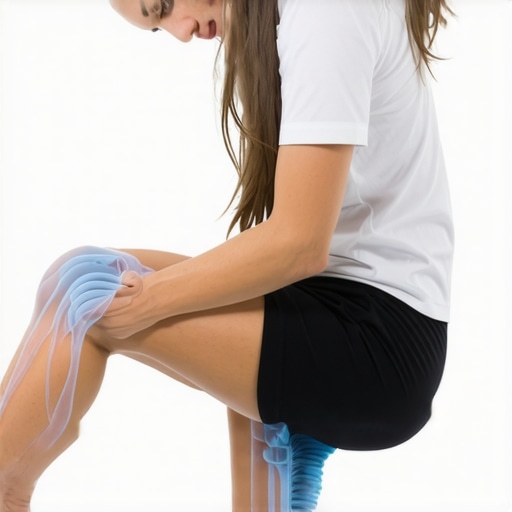
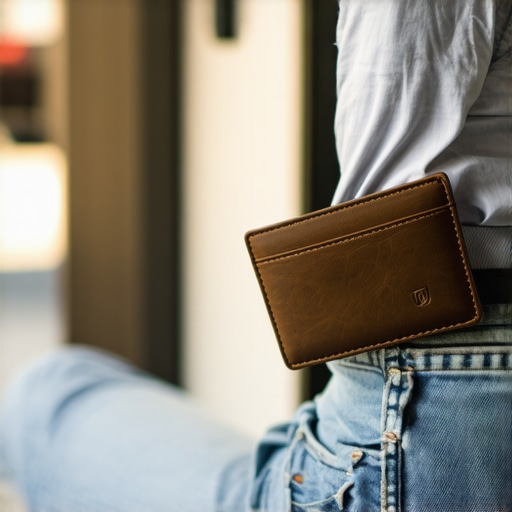
Starting to notice that nagging discomfort when you stand up or reach for things? That’s what I call the wallet trap. It’s like this tiny sabotage—subtle until it’s not—that messes up your posture and puts uneven pressure on your hips and spine. I used to think it was just a matter of stretching more or doing a few back exercises. Turns out, the real culprit was right in my back pocket. And guess what? That wallet, usually just an accessory, was secretly pulling my pelvis and twisting my spine. Studies show that sitting on objects like wallets can cause asymmetrical pelvic tilts, which, over time, lead to chronic pain or irregular gait patterns. To make matters worse, I ignored this small habit, believing it wasn’t a big deal. But the mistake I made early on was dismissing seemingly insignificant habits, a lesson I’ve since learned the hard way.
Is Your Wallet Actually Winding Your Spine into a Knot?
Many folks brush off the idea that their habits could be causing more harm than good. I was skeptical too—until my chiropractor showed me how that wallet was twisting my pelvis. You might think, “It’s just a wallet,” but those tiny habits can accumulate, leading to long-term issues. If you’ve ever experienced lower back discomfort after a day of sitting unevenly, now’s the time to question if your habits are part of the problem. Are you ready to discover simple yet effective ways to restore your spine’s natural alignment? Let’s swap out that wallet for better habits and move toward a pain-free life.
Identify and Remove the Culprit
Start by examining your daily habits to spot the wallet in your back pocket, especially if you notice uneven posture or localized pain. The key is awareness; I remembered the time I felt that sharp pain after sitting on my wallet all day, which prompted me to take action. Remove the wallet from your back pocket, and replace it with a front pocket or a bag to eliminate uneven pressure.
Correct Your Sitting and Standing Posture
Think of your pelvis as a house foundation; if it’s tilted, everything built upon it shifts out of alignment. During my messy first attempt, I sat on the sofa with a wallet still in my back pocket. I then consciously adjusted my posture by sitting upright with both feet flat on the ground, hips at 90 degrees, and evenly distributed weight. Practice maintaining this by regularly checking your pelvis position; this helps in realigning your spine over time. Learn more about restoring proper back mobility through proven chiropractic strategies.
Implement the 10-Second Pelvic Reset
This quick exercise resets your pelvis and alleviates lingering asymmetry. Lie on your back with knees bent, feet flat on the floor,-then gently tilt your pelvis to flatten your lower back against the floor, hold for 10 seconds, and release. Repeat this several times daily. I personally found this method effective after my initial practice session, feeling immediate relief and better alignment. For a detailed guide, see the pelvic reset.
Adjust Your Daily Routine and Habits
Beyond immediate corrections, adopt habits that promote spine health. Avoid sitting on objects that cause asymmetry, like your wallet, and opt for standing or moving more throughout the day. Incorporate short mobility breaks, such as the Bruegger position, to counteract prolonged sitting. My experience with these small but consistent changes led to noticeable improvement over just a few weeks. The journey to better posture is ongoing, but these steps lay a solid foundation.
Many people simplify neck and back pain as merely muscle tightness or nerve pinching, but as experts know, these issues are often rooted in complex biomechanical and neurological factors. A common myth is that persistent discomfort always indicates a need for more stretching or strengthening exercises. In reality, overdoing certain movements can exacerbate problems, especially if underlying joint dysfunction isn’t addressed first. For example, relying solely on foam rolling without examining joint mobility or alignment can lead to temporary relief but long-term setbacks. Recent research emphasizes that restoring optimal joint function requires a nuanced approach; chiropractic adjustments, when properly applied, can realign joints that are subtly out of place, but many practitioners overlook how joint misalignments can persist even after initial corrections. For advanced cases, ignoring the role of proprioception—a person’s awareness of joint and body position—can hinder recovery. When proprioceptive deficits occur, the brain doesn’t register joint position accurately, leading to compensatory movements that place stress elsewhere. A 2021 study published in the Journal of Orthopaedic & Sports Physical Therapy highlights that addressing proprioceptive deficits alongside joint mobilization accelerates healing and reduces recurrence. Moreover, many individuals fall into the trap of thinking that pain is always a sign of damage requiring rest, but in many cases, pain signals are warnings of improper joint movement patterns or neural sensitization. Pushing through pain without understanding these nuances can aggravate tissue irritation or central sensitization—a phenomenon where the nervous system becomes hyper-responsive. This is why a comprehensive assessment that includes nerve sensitivity, joint mechanics, and muscular control is essential for effective treatment. Are you wondering how to differentiate between pain that signals healing versus warning signs of deeper dysfunction? It’s a question that warrants expert evaluation. For those interested in learning how to identify and correct these hidden issues, exploring detailed guides like insights from wellness experts can be transformative. Remember, true mobility hinges on understanding these subtle but critical nuances—so don’t ignore the signals your body is sending. Have you ever fallen into this trap? Let me know in the comments.Maintaining your spinal health requires more than just quick fixes; it demands reliable tools and consistent routines that adapt as your body changes. One of my favorites is a high-quality foam roller, specifically the TriggerPoint GRID. I use it daily to target my thoracic and lumbar regions, helping to release muscular tension and improve my mobility. The reason I prefer this over cheaper alternatives is its durability and contouring ability, which enables me to target specific trigger points effectively. Incorporating my foam roller into a regular self-myofascial release routine has resulted in marked improvements in flexibility and pain reduction, and I highly recommend it to anyone serious about long-term spine health.
Another invaluable tool I rely on is a digital posture tracker app like Upright. This software syncs with a small wearable device that monitors your posture in real-time. I’ve found that constant feedback helps me develop better habits, especially during long work sessions at my desk. Over time, the app’s analytics reveal patterns in my posture, allowing me to identify and correct recurring issues proactively. As technology evolves, I predict we’ll see even smarter devices integrated with AI that provide personalized exercises and alerts tailored to your unique biomechanical needs.
For manual adjustments, I advocate for regular chiropractic visits, particularly those utilizing specific techniques proven to enhance joint mobility. For example, I often refer clients to [chiropractic strategies proven to restore back mobility](https://quackersspinal.com/restore-your-back-mobility-proven-chiropractic-strategies), emphasizing the importance of consistent care. Incorporating periodic assessments ensures that joint restrictions don’t become chronic, especially as you scale your activities or recover from injury.
What about deeper tissue work? I sometimes incorporate percussive therapy devices like Theragun to target stubborn areas such as the piriformis or psoas muscles, which can pull the spine out of alignment if neglected. I recommend experimenting with different attachment heads and settings, beginning with gentle pressure to avoid aggravating sensitive tissues. These devices, when used correctly, can maintain muscular balance and prevent dysfunction.
How do I maintain spinal health over the long haul? The key lies in a combination of self-care tools, smart technology, professional interventions, and consistent habits. It’s crucial to develop a routine that includes mobility exercises, muscle releases, posture monitoring, and periodic manual adjustments. I advise setting a weekly schedule that balances these elements—perhaps a 10-minute foam rolling session, a posture check every hour, and a quarterly chiropractic consultation.
Looking ahead, the trend points toward smarter, more integrated health tools that seamlessly fit into daily life. Wearables with adaptive feedback systems and AI-powered coaching will become standard, making proactive spine care accessible to everyone.
For those eager to take their approach a step further, I highly recommend trying the advanced pelvic reset exercises I detailed in [this guide](https://quackersspinal.com/next-level-pelvic-reset). Consistently practicing these can help correct foundational misalignments and significantly reduce long-term pain risks. Remember, proactive maintenance today leads to a healthier spine tomorrow. Curious about how these tools can fit into your routine? Contact me through [this page](https://quackersspinal.com/contact-us) to get personalized recommendations.Sometimes, the biggest obstacles to pain-free living are the ones we overlook daily. One lesson I’ve learned through my journey with neck pain, back discomfort, and mobility issues is that small habits can have enormous impacts on our spinal health. My own experience taught me that minor adjustments—like how I sit or sleep—can transform my flexibility and comfort. Paying attention to these details unlocked a new level of well-being I hadn’t thought possible. I wish I had known earlier that proactive habits matter more than quick fixes, and that empowering ourselves with knowledge can turn the tide against chronic pain.