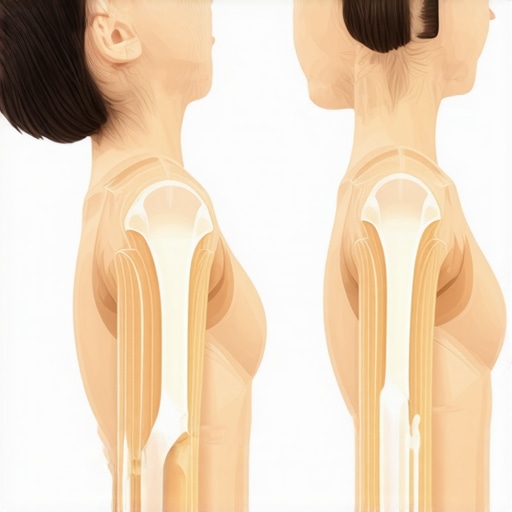
Why Your Backpack Choice is Causing Mid-Back Burning
Have you ever felt that sudden, fiery sensation flickering right in the middle of your back after a long day of carrying your bag? One moment you’re minding your own business, and the next, it’s as if someone lit a small campfire behind your ribs. It’s an unsettling feeling that can ruin your entire day, and trust me, I’ve been there.
The Lightbulb Moment That Changed My Backpack Game
Several years ago, I dismissed that dull ache in my mid-back as just part of aging or maybe a poor night’s sleep. But one afternoon, after lugging around a backpack that was way too heavy and unevenly packed, I experienced a burning sensation that stopped me in my tracks. That was my wake-up call. I realized my choice in backpack might be the hidden culprit behind my persistent discomfort.
This realization motivated me to dive deep into understanding how a seemingly simple everyday item could cause so much pain. And spoiler alert: it’s more common than you think.
Today, I want to share with you the insights I’ve gathered—mainly because I’ve learned firsthand how a poor backpack choice can wreak havoc on your spine and overall mobility. The good news? With the right information and some adjustments, you can put that burning out of your mind for good.
Is Overrated Back Pain Relief Worth It?
Early in my journey, I made a classic mistake—assuming that the pain was just a temporary nuisance that would resolve itself. I figured, “It’s probably just my posture or stress.” Turns out, neglecting this simple issue led to more severe discomfort down the line. It’s a reminder that sometimes, the smallest changes make the biggest difference, especially when it comes to back health.
If you’ve ever experienced mid-back burning or persistent discomfort, you’re not alone. Many people overlook the importance of proper backpack ergonomics, thinking it’s just a matter of comfort. But in reality, it can be a serious contributor to your pain.
In the upcoming sections, I’ll guide you through the key reasons why your backpack might be causing this problem and, more importantly, how you can fix it. Ready to stop this fiery sensation from dictating your day? Let’s dive into the hows and whys.
Why Your Backpack Choice Matters More Than You Think
Before we jump into solutions, it’s crucial to understand what’s really happening. A heavy, poorly balanced backpack can strain your muscles, compress your spinal discs, and even alter your posture over time. According to recent studies, carrying a backpack that exceeds 10-15% of your body weight can significantly increase the risk of back pain and discomfort (source: Understanding Back Pain).
The problem isn’t just about weight; it’s about how the load is distributed and whether your backpack supports your natural spinal curves. A pack that’s grand in capacity but poor in design can turn your daily commute into a source of pain and frustration.
So, if you’ve been shrugging off that burning sensation or brushing off back pain as
Assess and Adjust Your Load
Start by evaluating the weight distribution of your backpack. During a personal experience, I took off my heavy pack and weighed it, realizing I was carrying more than double the recommended 10-15% of my body weight. To fix this, I redistributed items, prioritizing heavier objects close to my back, which immediately reduced strain. Ensure your load is balanced and lightweight to prevent muscle fatigue and spinal compression. When packing, place the heaviest items near your center of gravity and keep the weight evenly distributed across both shoulders. This simple step can significantly reduce back tension and improve mobility. For comprehensive tips, check out chiropractic hacks for back health.
Many people believe that simply cracking your neck or back releases built-up tension and cures pain, but this common misconception can actually worsen your condition over time. The truth is, not all neck adjustments or stretching techniques are appropriate for every individual, especially without proper diagnosis. Relying solely on quick fixes often masks deeper issues and might lead to chronic discomfort. For example, some practitioners suggest aggressive manipulations that neglect the importance of addressing underlying posture or mobility restrictions. In fact, top chiropractors emphasize comprehensive assessments before any treatment plan. It’s essential to understand that effective therapy involves tailored strategies, not a one-size-fits-all approach.
Why does so much advice about neck pain ignore the complexity of spinal health?
Many believe that pain originates solely from muscle strain or minor joint misalignments, but recent research indicates that spinal instability and core weakness often play a more significant role than superficial symptoms suggest. For instance, a study published in the Journal of Manipulative and Physiological Therapeutics highlights how long-term neck pain correlates strongly with poor deep neck muscle function and posture habits, not just joint subluxations. This nuance is crucial because it shifts the focus from mere symptom relief to addressing root causes, like improving mobility and stability through targeted exercises. Overlooking these factors can trap patients into a cycle of temporary relief without resolving the underlying problem. To explore effective strategies, check out comprehensive neck pain management. Remember, understanding the full picture is key to lasting relief.
Maintain Your Progress with Precise Tools and Methods
Achieving relief from neck and back pain isn’t a one-and-done deal. It requires ongoing commitment utilizing targeted tools and strategies that support your mobility and spinal health. Personally, I swear by specific equipment like the TheraBand Resistance Bands because they allow me to perform safe, controlled mobility exercises at home, especially for enhancing my thoracic spine flexibility. I include chiropractic strategies in my routine, emphasizing deep tissue work and joint mobilization that I incorporate weekly to sustain long-term results. Equipment like foam rollers and massage balls help me break down tension points that form from daily stresses, keeping my muscles and fascia flexible and healthy.
Advanced tools such as instrument-assisted soft tissue mobilization devices are gaining popularity among clinicians for their precision and effectiveness. These instruments, like the Graston Technique tools, allow for deeper tissue treatment that isn’t accessible with manual therapy alone, ensuring you address restrictions that hinder mobility. Incorporating such advanced equipment, guided by a qualified chiropractor, can significantly accelerate recovery and maintain spinal health over time.
Looking ahead, I predict technology will further personalize and streamline maintenance routines. Wearable devices capable of tracking posture and movement patterns can provide real-time feedback, guiding you to adjust your habits before discomfort escalates. As noted in recent studies, the future of mobility maintenance will increasingly rely on integrating digital health tools with traditional chiropractic care, ensuring continuous, proactive spinal health management.
How do I keep my mobility routines effective in the long run?
Consistency is key. I recommend scheduling regular check-ins with your chiropractor for targeted assessments and adjustments, ensuring your routines adapt as your mobility improves. Additionally, dedicating 10-15 minutes daily to mobility drills—like the proven strategies for back pain relief—can sustain gains and prevent regress. Don’t forget to integrate posture-aware tech, such as smart posture trainers, which provide feedback throughout the day to maintain proper alignment. Regularly updating your tools and techniques, based on guidance from professionals, will help you stay mobile and pain-free for years to come.
To get started with an effective home routine, try incorporating simple mobility exercises with resistance bands or foam rollers. Consistency combined with leveraging advanced tools like instrument-assisted devices under professional supervision can make a significant difference. Remember, maintaining spinal health isn’t a one-time effort—it’s a continuous journey. For a comprehensive plan tailored to your needs, contact your trusted chiropractor through this link and make your mobility a long-term priority.
Little Secrets That Changed My Approach to Neck and Back Pain
- Small adjustments deliver big results: I learned that tweaking how I pack my backpack or position my computer setup can prevent fiery mid-back sensations, saving me from days of discomfort.
- Fear of pushing through pain is misleading: Ignoring persistent neck tension only masked deeper issues—addressing them early made all the difference in my recovery.
- Consistency is my best friend: Regular mobility routines and periodic check-ins with my chiropractor keep my spine flexible and resilient, proving that maintenance beats emergency fixes.
- Understanding my spine’s story is empowering: Learning about spinal stability and core strength helped me see beyond surface symptoms and focus on lasting improvements.
- Technology can be a game-changer: Wearable posture trackers and smart tools are helping me stay mindful of habits that contribute to pain, fostering a proactive approach.
Tools and Resources That Truly Make a Difference
- Proven Strategies for Back Pain Relief: This comprehensive guide (link) offers actionable exercises and lifestyle tips I personally rely on for ongoing mobility.
- Understanding Back Pain: Deep dive into the root causes and ergonomic tips (link) that helped me overhaul my daily habits.
- Effective Neck Pain Management: Tailored approaches from top chiropractors (link) gave me clarity on safe exercises and when to seek professional help.
- Chiropractic Techniques for Mobility: Cutting-edge methods (link) that have transformed my recovery journey.
Take Charge and Keep Moving Forward
Remember, maintaining neck and back health is an ongoing journey. The insights and tools I’ve shared aren’t just lessons—they’re commitments to myself’s well-being. Your mobility and comfort depend on proactive steps, consistent care, and never settling for temporary relief. Every small effort counts—start today and embrace a future where fiery sensations no longer control your day. You’ve got the power to change your story with knowledge and action. What’s one habit you’re willing to adjust today to support your spinal health? Share below—I’d love to hear your journey.