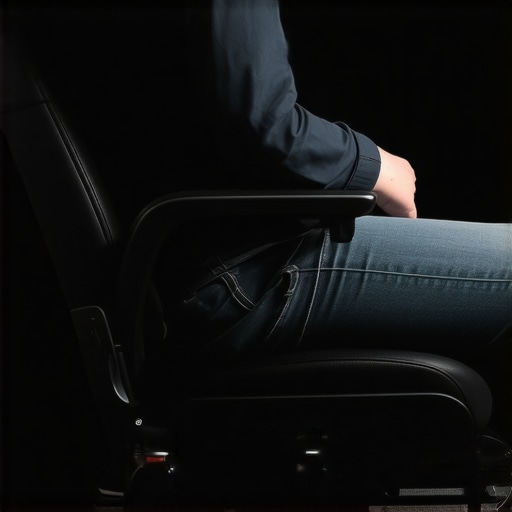
Why Your Laptop Should Never Actually Sit on Your Lap
It happened on a Monday afternoon, just as I was about to wrap up a long work session. I shifted my laptop onto my lap, expecting a quick reply to an urgent email. But instead of the usual comfort, I felt a sharp twinge in my lower back and a stiff neck that wouldn’t loosen. It was a real lightbulb moment. I realized—I’ve been doing this unknowingly for years, thinking it was harmless, even cozy. Turns out, that simple habit was quietly wrecking my spine. Have you ever experienced that sudden, nagging discomfort after hours of working on your laptop? If so, you’re not alone, and today, I want to shed some light on why your lap isn’t your friend when it comes to back health.
The Hidden Dangers Lurking in Your Lap
You might think that sitting on your lap is just a matter of comfort or convenience. But from a medical perspective, this posture can put your spine through a lot of stress. When you place your laptop on your thighs, it encourages you to lean forward and crane your neck—a perfect storm for developing neck, shoulder, and back pain. Plus, that position often leads to poor alignment, which can cause strain over time. I made the mistake of dismissing this habit early on, assuming that a little discomfort was just part of the job. But neglecting proper posture can turn into chronic pain, and none of us want that.
Is a little discomfort worth the aesthetic?
Many people believe that taking breaks or stretching can resolve this kind of pain, but it’s often too late for simple fixes once bad habits become ingrained. I’ve learned from experience that understanding the root causes of misalignment is key. For instance, improper laptop placement is a common mistake that exacerbates issues—something I clearly ignored at first. For help on maintaining better mobility and avoiding these pitfalls, you can explore tips on enhancing mobility naturally with chiropractic care.
So, what can you do to prevent your lap from becoming the culprit behind your discomfort? Stay tuned, because the solution isn’t just about changing positions—it’s about understanding how your habits impact your spine and learning practical strategies to fix them. The next sections will guide you through simple adjustments that can save you from years of unnecessary pain and stiffness, helping you sit smarter and move better every day.
Adjust Your Workspace to Support Your Spine
First, evaluate your workstation setup. I remember my first attempt involved stacking books under my monitor, which made a noticeable difference. Ensure your screen is at eye level to prevent leaning forward, which strains your neck. Place your keyboard and mouse so your elbows stay close to your sides and your wrists are straight. Use a lumbar support pillow or roll a small towel and place it behind your lower back to maintain its natural curve. This simple adjustment can instantly reduce stress on your lumbar spine and set the foundation for better posture.
Learn to Engage Your Core Before Sitting
Think of your core muscles as a natural brace that supports your entire spine. Before sitting, gently contract your abdominal muscles—imagine pulling your belly button slightly in and up. This activation stabilizes your lumbar region and prevents slouching. I practiced this during a long workday; initially, it felt strange, but over time, it became automatic. It significantly reduced lower back fatigue and created a more upright sitting position.
Incorporate Micro-Movements into Your Routine
Long periods of static posture tighten muscles and joints, leading to stiffness and pain. Set a timer to remind yourself every 30 minutes to stand, stretch, or move. I started with simple neck rolls and shoulder shrugs, which loosened tight muscles and improved mobility. One effective move is the ‘cat-cow’ stretch, which gently mobilizes your spine. Performing these micron movements intermittently disrupts the cycle of tension buildup, helping you avoid chronic discomfort.
Practice Breathing Techniques to Ease Tension
Deep diaphragmatic breathing encourages relaxation and can alleviate muscle tightness. When I felt neck tension creeping in, I paused to take slow, deep breaths—expanding my belly on the inhale and relaxing on the exhale. This practice, sometimes called belly breathing, reduces sympathetic nervous system activity, decreasing muscle tension. Doing this regularly during work or breaks fosters a calm mind and lessens muscular stress, benefitting your neck and back health.
Strengthen Critical Supporting Muscles
Weak glutes and core muscles often lead to compensatory strain on your back and neck. Incorporate exercises like the glute bridge and planks into your routine. I dedicated 10 minutes daily, which gradually built resilience in my posterior chain. Improved strength here supports proper alignment, reducing the likelihood of pain. For targeted guidance, exploring proven chiropractic strategies can accelerate results.
Improve Your Hip and Ankle Mobility
Mobility in your hips and ankles directly influences your spinal health. Limited ankle dorsiflexion causes compensatory movements up the kinetic chain, stressing your lower back. During my journey, I added ankle circles and hip flexor stretches—like the kneeling runner stretch—to my daily routine. These moves enhance movement efficienty and reduce undue pressure on your lumbar spine. For detailed mobility routines, consider reading about enhancing mobility naturally with chiropractic care.
Prioritize Restorative Sleep Positioning
Your sleeping posture plays a vital role in spinal health. I used to sleep on my stomach, which twisted my neck and put strain on my lumbar region. Changing to a side or back sleeping position, with a supportive pillow, allowed my spine to relax fully. Placing a pillow under your knees when on your back or between your knees when on your side maintains the natural curves. This habit promotes healthy spinal alignment and reduces morning stiffness.
Address Pain and Discomfort Early
If you notice persistent pain, don’t dismiss it as trivial. Early intervention can prevent chronic issues. Consulting a professional, such as a chiropractor, can offer personalized adjustments and guidance. To discover how chiropractic care can support your journey, explore how chiropractic care transforms lives. Remember, proactive steps are more effective than waiting for pain to worsen.
Many individuals assume that improving mobility or seeking chiropractic care automatically entails complex solutions or quick fixes, but the reality is far more nuanced. A common myth is that mobility exercises alone can resolve deep-seated spinal issues. While they are essential, they often overlook underlying biomechanical imbalances and postural habits that perpetuate pain. For instance, focusing solely on stretching tight muscles without addressing core stability or joint mobility can lead to temporary relief but not long-term healing. According to research published in the Journal of Physical Therapy Science, targeted chiropractic adjustments combined with personalized mobility routines produce significantly better outcomes in restoring function than generic stretches alone.
Another misconception revolves around the idea that pain is simply a nerve issue that will resolve on its own or with medication. In truth, pain often signals a complex interplay of muscular, skeletal, and nervous system factors. Ignoring these warning signs or just masking pain with pills can delay proper treatment and worsen the condition. It’s crucial to evaluate the root causes through precise assessments and professional guidance, such as consultations with experienced chiropractors found at this contact page.
Skeptics sometimes believe that chiropractic adjustments are purely mechanical fixes or that they carry risks without benefits. However, emerging evidence supports their role in improving spinal health by restoring proper alignment and reducing neuro-muscular tension. The key is understanding that adjustments are most effective when integrated with tailored movement and postural retraining, not as standalone solutions. To explore these strategies further, see this comprehensive guide.
Advanced learners often wonder: How do improper movement patterns perpetuate pain despite correct interventions? The answer lies in the body’s compensatory mechanisms. Small, often unnoticed habits like leaning on one leg, improper sitting techniques, or limited ankle mobility can alter spinal biomechanics over time. This subtle misalignment becomes a trap that traditional treatments may not fully address unless these habits are corrected. Incorporating functional movement assessments and mobility drills tailored to individual needs is essential. For expert insights, check out this resource.
In summary, the biggest mistake is oversimplifying back and neck pain solutions without considering the holistic picture. Mobility improvements require a strategic combination of targeted exercises, structural adjustments, and behavioral modifications. Beware of the trap of quick fixes and focus on comprehensive, evidence-based approaches. Have you ever fallen into this trap? Let me know in the comments and share your experience. Remember, lasting relief comes from understanding the intricate dance between movement, support, and posture.
Maintaining spinal health over the long term demands more than just occasional stretching or chiropractic visits. It requires a curated toolkit of equipment, software, and routines that empower you to stay mobile, correct habits, and scale your progress as needed. As someone deeply invested in long-term back and neck health, I’ve curated specific tools that I personally rely on to keep my spine functioning optimally—especially in a world that’s increasingly digital and sedentary.
Invest in a Quality Posture Corrector
For me, a well-designed posture brace serves as a real-time reminder to maintain proper alignment throughout the day. I prefer models with adjustable straps and breathable materials, ensuring comfort during extended wear. Unlike generic supports, a high-quality posture corrector helps retrain my muscles and fosters subconscious habit change. It’s especially helpful during prolonged desk work, reinforcing the habits learned through chiropractic techniques.
Utilize Smart Ergonomic Devices
Ergonomic mice and keyboards significantly reduce strain. I use an ergonomic vertical mouse along with a split keyboard to prevent overextension of my shoulders and wrists. These tools, coupled with adjustable sit-stand desks, allow me to shift positions seamlessly, reducing static load on my spine. Technology trends point toward AI-driven ergonomic assessments that adapt in real time; I believe future tools will continuously analyze your posture and provide instant feedback, making maintenance more proactive.
Leverage Mobile Apps for Consistent Movement
Discipline is crucial. I rely on apps like mobility-focused apps that send regular reminders to perform micro-movements such as neck rotations, shoulder rolls, and core activations. These tiny habits significantly influence long-term stability. Predictive analytics integrated into these apps can even suggest personalized routines based on your recent activity levels, ensuring that your maintenance scales with your progress.
Prioritize Regular Professional Assessments
At least bi-annually, I consult with a trusted chiropractor who specializes in functional movement. They use precise assessment tools like spinal thermography or motion analysis software—these advanced methods reveal subtle asymmetries and imbalances before they manifest as pain. Personalized adjustments combined with targeted mobility drills ensure sustained improvements, especially as your activity level changes or if you encounter new challenges.
Stay Ahead with Predictive Data
The field is moving toward wearable devices that monitor your posture, muscle activation, and even nerve tension in real time. For example, dynamic EMG sensors can alert you when your deep neck flexors weaken, prompting immediate correction. This trend hints at an exciting future where proactive, data-driven maintenance becomes the norm, reducing reliance on reactive treatment and helping prevent issues before they escalate.
How do I maintain my mobility over time?
Consistent check-ins and adapting your toolkit are key. Keep a log of your routines, listen to your body signals, and don’t hesitate to seek professional guidance when you notice subtle changes. Remember that tools like targeted mobility exercises, ergonomic adjustments, and professional assessments form an integrated system—each component reinforcing the others. I encourage you to try integrating a weekly mobility routine using the techniques in this resource to start scaling your upkeep. Predictive tools are also becoming more accessible, so stay tuned for innovations that will make long-term maintenance even more manageable.”} },
},
What No One Tells You About Your Daily Habits
One of the most profound lessons I learned was that our seemingly harmless routines—like slouching on the couch or hunching over our phones—can insidiously undermine our spinal health. I realized that small, neglected habits often have the biggest long-term impacts, and recognizing them was the key to lasting relief.
Transformative Tools I Swear By
Over time, I discovered that integrating a high-quality posture corrector, ergonomic devices such as an adjustable sit-stand desk, and mobility apps created a holistic shield against pain. These tools have empowered me to take control, demonstrating that thoughtful investments in your setup can be game-changers.
Finding Your Inner Balance and Courage to Act
Maybe more than anything, I want you to remember that prioritizing your spinal health is an act of self-love. It’s easy to put off change, but each small step—whether adjusting your workspace, committing to mobility routines, or seeking professional guidance—builds momentum towards a pain-free life. The future is in your hands, and every effort matters.
Insider Wisdom for Lasting Comfort
- One of the hardest lessons I learned was that quick fixes often only mask symptoms. True progress came from understanding the deep-seated habits and addressing them at their root.
- Another insight is that your muscular support system acts like a built-in suspension; strengthening these muscles can transform your daily experience.
- Finally, I realized that proactive movement and regular professional assessments are not optional—they’re essential for lifelong spinal resilience.
Where to Take Your Practice Next
If you’re inspired to deepen your understanding of mobility and back pain solutions, consider exploring chiropractic care that supports natural movement. Combining this with targeted exercises from trusted resources, and seeking personalized assessments from qualified professionals, can unlock your path to sustained relief.
Your Next Move Starts Today
Remember, the journey to pain-free mobility isn’t a sprint but a mindful progression. Small, consistent actions build the foundation for a healthier spine and more vibrant life. So, why not take that first step now—your body will thank you for it.
Have you ever tried adjusting your workspace or incorporating mobility routines? Share your experience below and let’s learn from each other’s journeys to better posture and wellness.