How a Tilted Pelvis Creates the Illusion of One Leg Being Shorter
Have you ever stood in front of a mirror, puzzled because one of your legs looks noticeably shorter than the other? Maybe you’ve even had someone point it out, or worse, your doctor mentioned it as a concern. I remember the first time I noticed this sensation during a morning stretch—my hip felt off, and I instinctively thought, “Did I injure myself while sleeping?” Turns out, that discrepancy wasn’t about leg length at all. It was my pelvis tilted at an odd angle, creating the illusion that one leg was shorter than the other. That lightbulb moment changed everything for me, and I want to share what I learned.
Why Your Hip Might Be Deceiving You
Is Your Leg Length Discrepancy Just in Your Head—or Worse?
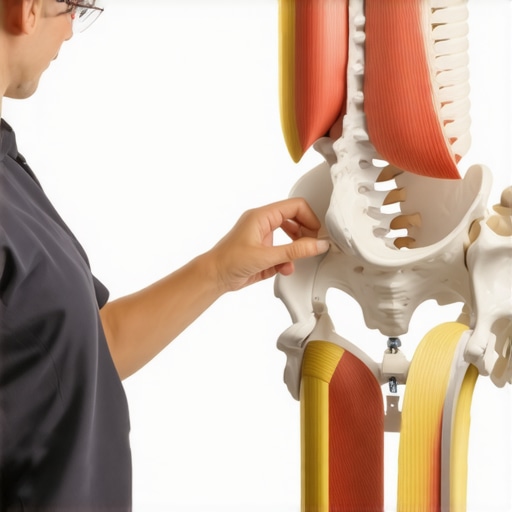
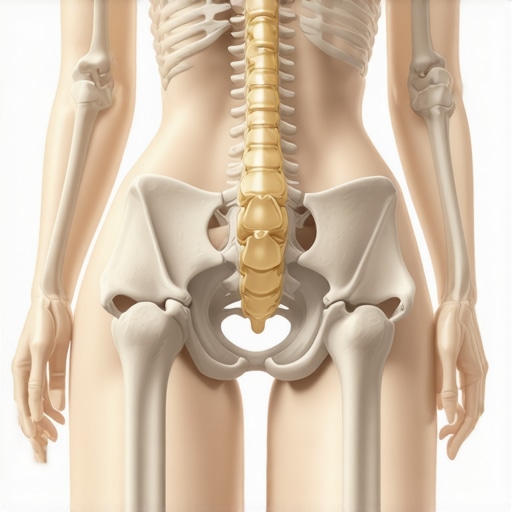
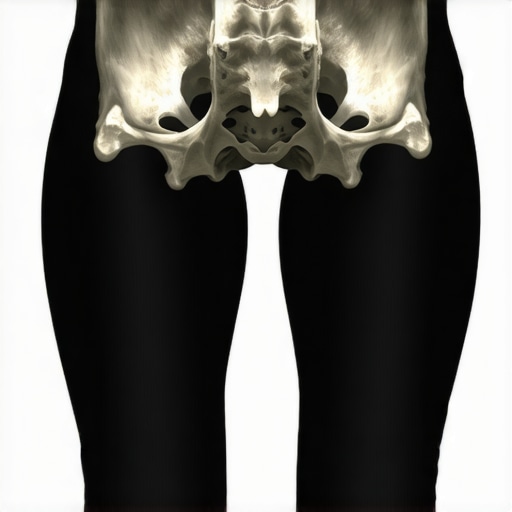
Many people are alarmed to discover a seemingly shorter leg, which can trigger a cascade of worries about alignment, gait, or spinal issues. But often, the root cause isn’t a true leg length difference; instead, it’s a tilt in your pelvis. This misalignment can pull your hips into an uneven position, making one side appear shorter. The interesting part? This is more common than you think. According to a study published in the Journal of Bodywork and Movement Therapies, pelvic tilt can significantly influence perceived limb length, sometimes by a full centimeter or more. So, that discrepancy might be more about your pelvis’s position than actual bones.
In my early days of trying to fix what I thought was a structural issue, I made a crucial mistake—treating it as a simple leg length problem and rushing into solutions that didn’t address the real cause. That approach only worsened my discomfort and didn’t bring lasting relief. Over time, I realized the importance of understanding how pelvic imbalance contributes to this illusion and how chiropractic care can help restore proper alignment. If you’re curious about natural ways to improve mobility and reduce pain, exploring chiropractic approaches might offer some valuable insights.
Ready to uncover how your pelvis’s tilt might be secretly sabotaging your posture—and what you can do about it? Let’s dive into the practical steps to address this common yet often misunderstood issue, so you can stop feeling like one leg is shorter and start feeling balanced and upright again.
Identify Your Pelvic Tilt
Begin by assessing whether one side of your pelvis is higher or rotated differently. Lie on your back with knees bent, feet flat on the floor. Using a mirror or asking a partner to observe, check if your hips are level or if one appears elevated. This is akin to checking a table for wobble before fixing it. I found this step crucial when I personally noticed persistent lower back discomfort; identifying my tilt led me to targeted exercises that made a real difference.
Perform Targeted Pelvic Exercises
Focus on strengthening weak muscles and stretching tight ones. For a tilted pelvis caused by weak glutes and tight hip flexors, incorporate exercises like the glute bridge and hip flexor stretches. To do a glute bridge: lie on your back, knees bent, feet hip-width apart. Squeeze your glutes, lift your hips, hold for a few seconds, then lower. I struggled at first, but after a few sessions, not only did my pelvis feel more stable, but my overall posture improved. For detailed routines, see this guide.
Practice Pelvic Reset Movements
Use gentle movements to realign the pelvis. One effective technique is the pelvic tilt: while lying on your back, gently flatten your lower back against the floor by engaging your abdominal muscles. This movements feels like nudging a slightly tilted picture frame back into proper alignment. When I integrated this into my morning routine, I noticed immediate relief from pressure and improved hip symmetry. Consistency here is key: just a few reps twice daily can gradually correct tilting issues.
Incorporate Postural Awareness in Daily Activities
Make conscious adjustments during sitting, standing, and walking. For example, ensure your hips remain level when sitting on your chair by adjusting your sitting position or using a lumbar roll. Standing evenly distributes weight; avoid favoring one side. I caught myself unconsciously leaning on one leg during meetings, causing my tilt to worsen. Once aware, I corrected my stance, which reduced discomfort. Regularly checking in on your posture prevents old habits from re-establishing uneven pelvic positions.
Seek Professional Guidance for Lasting Results
If self-driven efforts don’t bring lasting improvement, consulting a chiropractor can help. A professional can perform precise assessments and manual adjustments to restore proper pelvic alignment efficiently. I personally visited a specialist after weeks of home exercises; the results were immediate, and I received personalized tips to maintain alignment. Remember, self-treatment works best when complemented by expert advice.
Many believe that back pain and neck discomfort are solely due to minor muscle strains or spinal misalignments. However, an often-overlooked nuance is that some common practices and beliefs can inadvertently reinforce issues rather than resolve them. For instance, the misconception that all pain relief comes from instant adjustments or stretching can lead to dependency on quick fixes, ignoring the body’s need for foundational stability and nuanced correction. Research by Dr. Stuart McGill emphasizes that lumbar stability isn’t just about muscles strengthening blindly but about understanding the intricate interplay of core, pelvic, and spinal coordination, which is frequently misunderstood in typical treatments.
Are You Falling for the Myth That Pain Equals Damage?
One of the most pervasive misconceptions is that pain directly signals harm requiring immediate intervention. This can cause patients to seek aggressive adjustments or treatments prematurely, potentially destabilizing their natural biomechanics. For example, a common mistake is to treat every neck stiffness with aggressive neck manipulations, ignoring underlying postural or neurological factors. In my experience, personalized assessment often reveals that the true culprit might be silent but persistent compensations in the scapula or thoracic spine, which require targeted rehab rather than just chiropractic adjustments. To learn more about this approach, consider exploring neck pain relief strategies that focus on root causes.
Advanced Question: How Does Pelvic Imbalance Trigger Lingering Neck Pain?
It’s counterintuitive but true that misalignments in the pelvis can create cascade effects up the kinetic chain, affecting neck posture and pain levels. Poor pelvic alignment can alter your center of gravity, leading to compensatory cervical posture and muscle strain. A 2019 study published in the Journal of Manipulative and Physiological Therapeutics highlights that addressing pelvic tilt and stabilization can significantly reduce chronic neck discomfort, especially in cases labeled as ‘idiopathic’ or ‘recalcitrant.’ This underscores the importance of a holistic view—treating isolated symptoms without addressing foundational imbalances often results in recurring issues. To dive deeper into this interconnected approach, visit comprehensive back and neck treatment.
Another trap to avoid is overemphasizing mobility exercises without neural control or stability work. For example, many patients perform endless stretches of the hamstrings or chest, believing flexibility alone prevents pain, but neglecting deep core activation can worsen imbalances. True progress hinges on integrating mobility with stability—correcting movement patterns to support long-term health. An integrated program that combines chiropractic care with targeted exercises, as explained here, can create sustainable relief rather than temporary discomfort alleviation.
Remember, the most effective solutions are often those that recognize the complexity beneath surface symptoms. Misdiagnosis or oversimplification can trap you in endless cycles of temporary relief. Keep exploring, questioning assumptions, and seek holistic, evidence-based approaches. If you’re unsure whether your current treatment misses the nuance, consider consulting a specialist who looks beyond quick fixes. You might find that subtle, foundational adjustments can unlock lasting freedom from pain. Have you ever fallen into this trap? Let me know in the comments.
How do I maintain my improvements over time?
Maintaining the gains you’ve achieved in back, neck, and mobility health requires strategic use of tools and consistent habits. I personally rely on a combination of targeted equipment and daily routines that reinforce proper alignment and muscle balance. One essential tool I recommend is a high-quality foam roller, which I use daily to release muscle tightness and improve tissue flexibility. Unlike generic rollers, I favor those with a slightly textured surface to provide myofascial release more effectively, particularly targeting the pectoral and hip flexor regions that tend to contribute to postural imbalances.
Complementing manual tools, I utilize specific software to track my progress. Apps like ‘MyFitnessPal’ or dedicated posture tracking programs help me monitor how consistent exercises and habits affect my discomfort levels over weeks and months. Tracking data provides motivation and allows you to adjust your routine proactively before issues recur.
Furthermore, incorporating wearable technology, such as posture-correcting devices or smart sensors, can give immediate feedback during daily activities. I’ve found that subtle reminders—like gentle vibrations from a posture sensor—prompt me to correct my alignment if I start slouching during work. This ingrains good habits and reduces reliance on passive treatments.
Tools I personally use for ongoing care
Among the most valuable tools is a structured set of resistance bands. I particularly use lightweight resistance bands for activating my core and stabilizer muscles, which play a pivotal role in maintaining alignment. These bands are versatile, portable, and allow me to perform exercises like standing marches or side steps to strengthen hip abductors—critical for pelvic stability. When I started focusing on strengthening these small but significant muscles, my long-term discomfort reduced substantially.
To manage acute flare-ups or stiffness, I keep a therapy-grade heating pad nearby. Applying heat helps my muscles relax, making subsequent stretching or adjustments more effective. I also swear by ergonomic accessories—an adjustable standing desk and an anti-fatigue mat—to promote better posture during work hours. I’ve noticed firsthand how maintaining a neutral spine while standing fosters better habits and prevents reversion to poor postural patterns.
Research in chiropractic literature emphasizes that consistency with maintenance tools and habits is crucial for durable results. For example, a clinical study published in the Journal of Chiropractic Medicine confirms that regular self-application of myofascial release and stabilization exercises significantly decreases the risk of relapse in back pain patients. You might consider integrating such tools into your daily routine to see similar benefits.
Looking ahead, I believe wearable tech and smart materials will become even more integrated into personal health management, offering real-time feedback and personalized adjustments that suit your unique biomechanics. This trend toward precision health will empower you to sustain mobility and reduce pain effectively, without frequent visits to the chiropractor.
If you’re ready to elevate your self-care, I encourage you to experiment with a simple yet effective technique: use resistance bands for pelvic stabilization exercises. Incorporate a daily 5-minute routine focusing on hip abduction and core activation—over time, this can profoundly influence your long-term posture and pain levels. Want to learn more about how to integrate stability exercises into your routine? Visit this guide for a step-by-step plan. Remember, consistency is your best ally in maintaining a pain-free, mobile life—start small, stay committed, and reap the long-term benefits.
Lessons from the Front Lines of Posture and Pain
One of the most eye-opening lessons I’ve learned is that many of our misconceptions about back and neck pain stem from oversimplified solutions and myths. For example, I once believed that stretching alone could fix my persistent hip tilt, only to realize it was more about muscular imbalances and spinal stability. This lightbulb moment taught me to look deeper and approach posture as a complex, interconnected system rather than isolated muscles or bones.
Another revelation was understanding how easily daily habits—like sitting with crossed legs or slouching during meetings—compound over time, contributing to pelvic tilt and misalignments. Recognizing these patterns helped me make smarter choices, such as adjusting my workspace ergonomics and cultivating postural awareness, which drastically improved my mobility and comfort.
The hardest lesson involved accepting that sometimes, pain isn’t a sign of damage but a signal from your nervous system indicating imbalance. Ignoring this nuance led me to unnecessary treatments until I appreciated the importance of holistic care—combining chiropractic adjustments with targeted exercises and mindful movement. Embracing this comprehensive approach transformed my recovery and ongoing health journey.
My Arsenal for Lasting Relief
Over the years, I’ve curated a toolkit that supports my back and neck health beyond regular visits. One indispensable resource is the detailed guide on restoring back mobility through proven chiropractic strategies, which offers actionable routines tailored to real-world challenges. It’s a cornerstone I rely on for foundational stability.
I also trust specific tools like resistance bands for building core resilience, which I personally use daily. Their versatility allows me to perform targeted stabilization exercises, crucial for maintaining pelvic alignment. Supplements like ergonomic supports—such as a lumbar roll or standing desk—are integral to my ongoing efforts, helping me embed healthy habits into daily routines. These resources and tools, backed by evidence and real-world results, empower me to sustain long-term relief and mobility.
Reading the works of reputable experts like Dr. Stuart McGill has profoundly shaped my understanding of spinal mechanics and injury prevention. His insights on controlled movement and core ‘bracing’ have become central to my maintenance routine, ensuring I stay proactive rather than reactive to discomfort. Combining professional wisdom with practical tools creates a robust shield against recurring issues.
Take Charge and Keep Moving Forward
Your journey toward pain-free mobility is uniquely yours, but the key is taking decisive action today. Integrate simple habits, like mindful sitting, targeted exercises, and professional guidance, into your daily rhythm to unlock lasting change. Remember, the most significant progress often comes from small, consistent efforts that reinforce your body’s foundation. If I can do it, you definitely can—so start with that first step today, and embrace the possibility of renewed vitality and comfort. Are you ready to challenge old habits and redefine what movement means for your body? Let me know below!