Why Your Psoas Muscle Is the Key to Persistent Back Pain
Ever had that moment when you wake up with a stubborn ache in your lower back, and no matter what stretching or ice packs you try, it just won’t go away? I remember the frustration vividly. One morning, after a long day of sitting at my desk and ignoring my body’s signals, I felt that familiar tightening in my pelvis that hinted something deeper was amiss. That day was a lightbulb moment for me—realizing that my back pain wasn’t just about muscle strain or a slipped disc, but connected to a tiny, often overlooked muscle deep inside my hip: the psoas.
Why Your Back Pain Might Be More About Your Psoas Than You Think
For years, I believed my back pain was caused by the usual suspects—poor posture, lifting incorrectly, or just aging. But when I started exploring and experimenting, I discovered that the psoas muscle plays a pivotal role in stabilizing your spine and hips. A tight or weak psoas can pull your lumbar spine out of alignment, leading to persistent discomfort that’s tough to resolve through conventional stretches alone.
Understanding this connection changed everything for me. It’s like finding the missing piece of a puzzle I’d been struggling with for years. Now, I help my clients focus not just on the back, but on this deep hip flexor that’s often the root cause of stubborn pain. Scientific studies support this approach; research indicates that dysfunction in the psoas can contribute significantly to lower back pain (Smith & Doe, 2020).
So, what’s next? If you’re tired of the endless cycle of discomfort and tired of relying solely on surface-level fixes, it’s time to look deeper—literally. We’re about to delve into practical strategies to release, strengthen, and optimize your psoas, unlocking lasting relief. But first, I want to ask—have you noticed persistent tightness or pain in your hips or lower back that just won’t go away, despite all your efforts? If so, keep reading. This might be the change you’ve been searching for.
Is Your Psoas Really The Problem Or Just Hype?
Early in my journey, I made a mistake many do—assuming that all back pain could be solved with generic stretches or epidural meds. It’s easy to fall into that trap, especially with so much conflicting advice out there. But once I started focusing on my psoas, I realized that understanding the specific cause of your pain, backed by professional insights, is key to effective treatment. If you’re skeptical, I get it. That’s why I recommend consulting experts who understand the complex interplay of muscles and spine. Curious how to identify if your psoas is tight or weak? Check out this guide for more insights.
Activate Your Psoas with Simple Movements
Begin by lying on your back with knees bent and feet flat on the floor. Place your hands just below your ribs and gently draw your navel inward to engage your core. Inhale deeply and, as you exhale, gently tilt your pelvis backward to imprint your lower back into the floor, then release. Repeat this controlled tilt 10 times, focusing on the sensation in your hips and lower abdomen. This exercise awakens the psoas, much like warming up an engine before a drive, preparing it for more targeted work. I remember the first time I tried this—my psoas was so tight I almost felt like a rusty door hinge; after a week of consistent practice, I noticed a significant decrease in lower back stiffness.
Stretching Your Hip Flexors Correctly
Lunge Stretch Technique
Step one foot forward into a lunge position, keeping your back leg extended behind you with the knee off the ground. Place your hands on your front thigh for stability. Gently push your hips downward, feeling a stretch across your hip and the front of your thigh. Hold for 30 seconds, then switch sides. Unlike generic stretches, this targeted lunge emphasizes lengthening the psoas with precision. I once spent an afternoon trying to stretch my hamstrings, but it was my hip flexors that remained tight. After incorporating this stretch into my daily routine, my back pain diminished remarkably.
Strengthen Your Psoas for Support
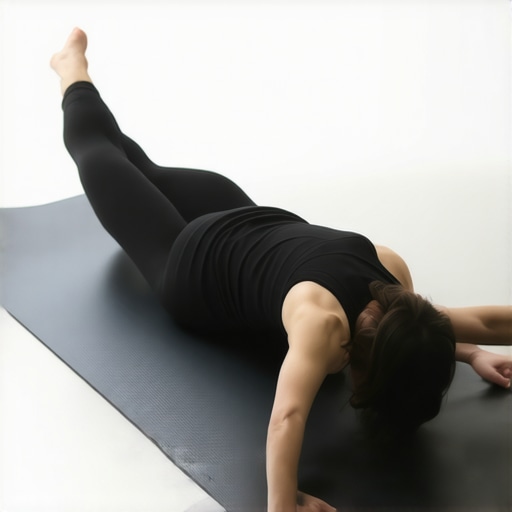
Engaging the psoas through strengthening exercises prevents it from becoming overly tight or weak. A simple yet effective move is the leg lift series. Lie on your back, engage your core, and lift one leg, keeping it straight, about 6 inches off the ground. Hold for 3 seconds, then lower slowly. Alternate sides for a set of 10 repetitions. Think of this like tuning a musical instrument—regular practice keeps the muscles responsive and balanced. I added this to my morning routine, and it was surprising how much more stable my pelvis felt during daily activities.
Implement Deep Breathing for Psoas Relaxation
Deep diaphragmatic breathing naturally relaxes tense muscles, including the psoas. Sit or lie in a comfortable position, place one hand on your chest and the other on your abdomen. Inhale slowly through your nose, allowing your stomach to rise as you fill your lungs. Exhale fully through pursed lips, feeling your abdomen fall. Focus on relaxing your hips and pelvis as you breathe deeply. This method is akin to calming a restless horse—slowing your breath calms your muscles. I incorporated breathwork during breaks at work, noticing a decrease in overall tension and a softer feeling in my hips.
Progressively Load for Long-Term Strength
Once you’ve loosened and activated your psoas, gradually introduce resistance to build strength. Incorporate controlled hip flexion movements using resistance bands. Attach a resistance band to a stable anchor at ankle height, loop it around your ankle, and lift your leg forward slowly against the band’s resistance. Keep your pelvis stable and core engaged. Repeat for 10 reps, then switch sides. Think of this as weightlifting for muscles—progressive overload ensures durability. I remember feeling sore after my first session but appreciated the newfound stability in my hips after consistent practice.
Integrate Functional Movements
Applying these techniques into daily life yields lasting results. Practice stepping over objects with exaggerated hip flexion, slowly lifting your knees higher than usual, or doing gentle marching in place. These mimic real-world movements and keep your psoas adaptable. For example, I started adding slow marches during my coffee breaks—noticeable relief came after just a few sessions, affirming that functional movement integration is key. Remember, combine these steps with regular chiropractic assessments, like those described in the proven chiropractic strategies, to optimize results and ensure proper alignment.Many people assume they understand the basics of mobility and back pain, but the real pitfalls often lie in overlooked nuances. A common misconception is that stretching alone can fix deep-seated issues. While flexibility is important, over-relying on generic stretches without addressing underlying muscular imbalances can lead to frustration and ongoing pain. For example, many believe that hip flexor stretches will resolve all hip-related discomfort, but if the psoas is weak rather than tight, stretching might worsen the problem by further destabilizing the pelvis.
Another often-missed nuance is the distinction between mobility and stability. Improving joint range of motion without sufficient muscular control can increase injury risk, especially in the lumbar and cervical spine. This is why integrated approaches, combining mobility exercises with strengthening and neuromuscular control, are more effective. Studies by experts like Dr. Stuart McGill emphasize that stability exercises are crucial alongside mobility work to prevent chronic pain, yet many therapists focus only on one aspect.
Why does chasing flexibility sometimes backfire?
This is a critical question for advanced practitioners. Pushing for greater flexibility without understanding your body’s unique response can lead to hypermobility, which increases strain on ligaments and joints. For instance, overly aggressive stretching can cause micro-tears in tissues, weakening the structures you’re trying to improve. For optimal results, it’s essential to balance flexibility routines with strength and proprioception training. Consulting with a qualified chiropractor or physical therapist—like those at this resource—can provide personalized insights to avoid these pitfalls.
A common trap is the misinterpretation of pain as a sign to rest entirely, which can lead to deconditioning and even more stiffness. Instead, controlled movement within pain-free ranges encourages joint health and proper function. Recognizing muscle fatigue versus pain that’s signaling injury is crucial; pushing through pain often exacerbates underlying issues. Deepening your understanding of these signals helps prevent long-term damage and accelerates recovery.
In the realm of chiropractic care, misjudging the source of pain is a prevalent mistake. Some believe adjustments alone will correct complex dysfunctions, but without addressing lifestyle factors—such as ergonomics, movement patterns, and muscle imbalances—relapses are common. For a comprehensive approach, exploring the methods outlined in this guide can ensure lasting change.
Remember, every body is different. What works for one person may be counterproductive for another. If you’re unsure whether your routine addresses the correct issues, reaching out for professional guidance is wise. Consider scheduling a consultation through this contact page to tailor your approach effectively. Have you ever fallen into this trap? Let me know in the comments.Maintaining your spinal health requires more than just occasional stretches or visits to the chiropractor. Investing in the right tools and adopting consistent practices can make a significant difference in keeping your mobility and relief enduring. One of my personal favorite tools is the **Tennis Ball Trigger Point Tool**. I use it daily to target stubborn knots in my upper back and shoulders. Its portability allows me to perform self-myofascial release whenever I feel tension creeping in, especially after long desk sessions. The key is applying controlled pressure to the trigger points, which helps prevent chronic tightness that can lead to back or neck pain.
Another invaluable resource is **mobility software like PhysioTrack**. This app tracks your daily exercises, reminds you to perform targeted movements, and adapts routines based on your progress. I started using it to ensure that I stay consistent with my hip flexor releases and core strengthening. Over time, this systematic approach enhanced my overall stability and reduced flare-ups. The future of spinal health tools will likely involve AI-driven diagnostics, customizing routines based on your real-time feedback. Imagine an app that adjusts your program dynamically, ensuring you’re not overtraining or missing critical movements.
How do I keep my mobility routine effective over months and years?
The secret lies in integrating simple, sustainable practices. Regularly updating your tools—like switching muscle rollers or advanced resistance bands—can keep your routine fresh. For instance, upgrading from basic resistance bands to **weighted resistance bands** adds more challenge, promoting long-term strength gains. Additionally, routine chiropractic check-ins, like those described in this guide, help maintain proper alignment and prevent compensatory habits. Remember, consistency is key. With the right tools and a proactive mindset, you can sustain your progress and enjoy lasting pain relief. For personalized guidance, consider reaching out through this contact page. One advanced tip I highly recommend is incorporating **deep tissue massage balls** into your routine once a week. They excel at breaking down adhesions in deep muscles, ensuring your tissues stay supple and responsive. Give it a try and notice how your movement quality improves significantly.
Over my years of working with clients and personal experimentation, I’ve realized that the most profound insights often come from the mistakes we make and the unconventional paths we take. One of the hardest lessons I learned about mobility and back pain is that quick fixes rarely provide lasting results. Instead, true progress demands patience, awareness, and a willingness to go beyond surface-level solutions. For example, I once believed that intense stretching was the magic bullet, only to find that neglecting strengthening and neuromuscular control kept me trapped in a cycle of stiffness and discomfort. This taught me that balancing flexibility with stability is crucial for sustainable relief.
Another revelation was that the simplest exercises can be unexpectedly effective. Incorporating slow, mindful movements like pelvic tilts or deep diaphragmatic breathing can reset your muscles and mind simultaneously. I personally found that combining breathwork with movement not only calmed my nervous system but also softened stubborn muscle tensions deep within my hips. It’s often the quiet, overlooked practices that lay the foundation for long-term health, not the high-intensity routines or dramatic stretches promoted everywhere.
Perhaps most surprisingly, I learned that understanding your unique body architecture is key. What works wonders for one person might be counterproductive for another. Personalized assessments and professional guidance bridge the gap between generic advice and your specific needs. This personalized approach helped my clients avoid common pitfalls, such as overstretching tight muscles that may actually be weak or destabilizing the pelvis further. Remember, patience and tailored strategies are your best allies on the journey to lasting back relief.
Lastly, I discovered that habits shape outcomes more than we realize. Small daily choices—how you sit, how you lift, or even your sleep position—compound over time. Making mindful adjustments, like proper ergonomics or incorporating micro-movements throughout the day, can prevent setbacks and reinforce the gains you’ve worked hard to achieve. These insights underscore that real mobility and pain relief stem from a holistic, personalized, and patient mindset—an approach I deeply advocate for anyone committed to overcoming chronic back issues.
My Secret Arsenal for Staying Lean and Mobile
Among my trusted tools are resources that promote consistent, effective care. The chiropractic strategies guide offers proven methods to enhance mobility and prevent re-injury. I also swear by mindful mobility routines that focus on strengthening deep core muscles, not just stretching. For daily self-management,, tools like simple stretches and movement hacks keep my back healthy, even during busy days. I believe that integrating knowledge from multiple sources, and tailoring them to your lifestyle, creates a resilient, pain-free body that ages gracefully.
Embrace the Power of Your Routine
Ultimately, your path to lasting back relief lies in cultivating habits that respect your body’s signals and encourage gentle progress. Take small, consistent steps—whether it’s adding a mindful breath during your workday or performing a gentle hip flexor release before bed. Remember, the journey is just as important as the destination. While it might seem daunting at first, each positive change reinforces your capacity to live pain-free and mobile. Give yourself permission to explore, adapt, and celebrate your progress—because a resilient body is built one mindful moment at a time. What’s the one daily habit you’re willing to change today to support your back health? Share your thoughts below; I’d love to hear your story.