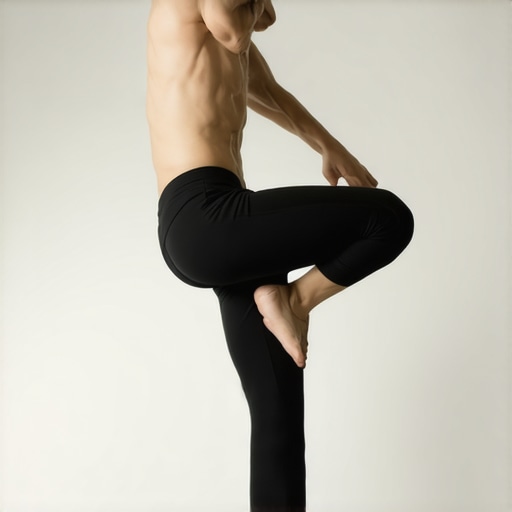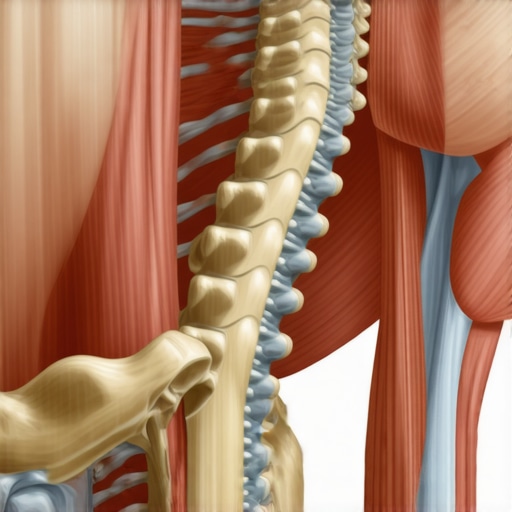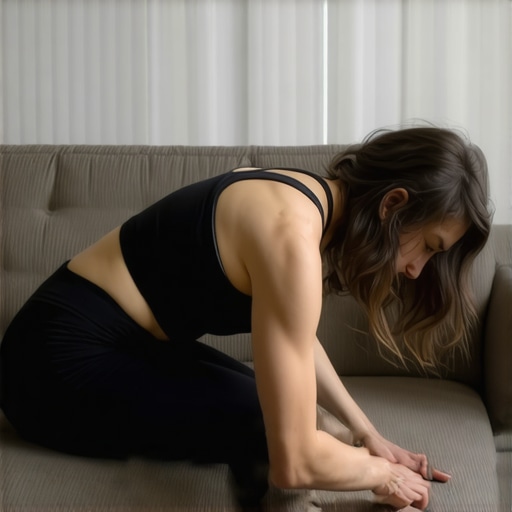
The 30-Second Couch Stretch to Reset Your Hips After a Flight
I still vividly remember the dull, stubborn ache settling into my hips after a long flight, like an unwelcome guest refusing to leave. Despite stretching, moving around, and even trying to shrug it off, that discomfort persisted—clinging to me during meetings, workouts, and even while relaxing at home. It was a lightbulb moment: I realized my hips had become tight and stiff from hours cramped in an airplane seat, and my usual routines weren’t enough to recover.
One day, I stumbled upon the 30-Second Couch Stretch—a surprisingly simple move that instantly made me feel more mobile and pain-free. What’s incredible is how such a quick, targeted stretch can reset your hips, especially after environments like flights or long drives where your hips tend to freeze up.
Today, I want to share how this one technique changed my mobility game—and how it can do the same for you. If you’ve ever felt that creeping stiffness or sluggishness in your hips post-travel, stick around. We’ll dive into a straightforward method that can help you regain movement, reduce pain, and get back to feeling like yourself.
The Power of a Quick Hip Reset
Imagine arriving home after a 10-hour flight. Your hips feel like they’ve been glued shut. You’re stiff, uncomfortable, and maybe even a little frustrated because nothing seems to help. Sound familiar? You’re not alone. Many travelers face this exact problem, often underestimating how much those seated hours affect mobility and pain. What’s worse, neglecting proper recovery can lead to longer-term issues like hip tightness, lower back pain, and reduced flexibility.
The good news is, there’s an effective, fast solution—something I’ve personally tested and highly recommend. The 30-Second Couch Stretch is simple yet powerful. It involves a quick, targeted position that stretches your hip flexors and restores blood flow. By doing this consistently after travel or prolonged sitting, you can significantly cut down recovery time and prevent discomfort from becoming chronic.
But before we get into the mechanics, let me clarify why so many of us overlook such effective remedies. Early in my journey, I made the mistake of dismissing small habits like stretching or movement. I believed that more extensive routines were necessary—until I realized that quick, consistent adjustments often provide the best results. It’s a lesson I’ve learned from experts, including those who emphasize the importance of hip mobility for overall health. In fact, neglecting hip flexibility can contribute not just to discomfort but to compounding postural issues and pain in other areas.
If you’re skeptical about whether a tiny stretch can really make a difference, I get it. I once thought the same. But evidence supports that targeted mobility work, even in short bursts, can yield impressive results (see [this study](https://quackersspinal.com/mastering-back-neck-pain-relief-tips-from-the-pros-300)).
Now, are you tired of that post-flight stiffness ruining your day or your workout? Have you ever wondered if there’s an easy way to undo those tight hips without complex equipment or hours in the gym? You’re in the right place. Next, we’ll go step-by-step through the Couch Stretch so you can start feeling better—fast.
Find Your Starting Position
Begin by kneeling on one knee, placing the other foot flat on the ground in front of you, forming a 90-degree angle at both knees. Use a sturdy chair or the edge of a couch to support your back foot if needed. I once struggled with this in my cluttered living room, trying to balance while my dog tugged at my shorts—a messy but memorable attempt that proved persistence is key.
Adjust Your Posture and Alignment
Keep your hips squared and facing forward. Engage your core to prevent overarching in your lower back. Think of your pelvis as a bowl—you want to tilt it slightly forward to enhance the stretch without causing discomfort. Once, I forgot to brace my core and ended up with lower back ache the next day, a gentle reminder to pay attention to alignment.
Engage the Stretch
Push your hips gently forward until you feel a stretch in your hip flexors. Your torso should remain upright, and avoid leaning backward. Picture pushing yourself into a gentle lean—like a sail catching the wind—without collapsing or overextending. Initially, I aimed for maximum stretch but found that a mild, sustained tension was more effective and comfortable.
Hold and Breathe
Maintain the position for 30 seconds, focusing on deep, diaphragmatic breathing—inhale through your nose, expand your belly, and exhale slowly. This relaxation amplifies the stretch effect. I once rushed through a set, only to get a cramp; slowing down and focusing on breath turned the stretch into a calm, effective practice.
Release and Switch Sides
Gently step back, switch sides, and repeat. Consistency is crucial—doing this after travel or prolonged sitting greatly improves mobility over time. When I neglected to rotate my hips regularly, stiffness crept in, so I set a reminder to perform this stretch daily, reaping steady benefits.
Enhance Effectiveness with Proper Technique
Maintain a slight tilt of your pelvis and avoid overarching your lower back. If you feel any discomfort, back off slightly and focus on gentle tension. Visualize your pelvis as a bowl on a table—keeping it level prevents over-stretching and injury. Remember, quality beats quantity; better to do it right slowly than fast and wrong.
Incorporate Regularly for Lasting Benefits
Make this stretch part of your daily routine, especially after long flights or extended sitting. Over time, you’ll notice your hips loosen up, and pain diminishes—transforming a painful, stiff experience into a quick, empowering move. I adopted this habit, and now, just a quick 30 seconds in the evening helps me reset after a demanding day.
Many assume that chiropractic care is solely about quick spinal adjustments or that mobility exercises are just stretching routines without deeper significance. However, these misconceptions often lead to ineffective treatment and even long-term issues. For instance, a prevalent myth is that cracking your neck or back provides permanent relief; in reality, this can temporarily alleviate symptoms but may worsen underlying dysfunction if done improperly. Expert sources warn against self-manipulation, emphasizing the importance of understanding individual biomechanical nuances [see this resource](https://quackersspinal.com/why-your-neck-pain-is-likely-coming-from-your-neck).
Another common mistake involves oversimplifying mobility as mere flexibility—many forget that true mobility involves neural, muscular, and joint health. Neglecting the nuanced interplay between these components can cause people to chase symptoms rather than root causes. For example, stiff hips or limited neck movement might originate from deep tissue restrictions or nervous system sensitivities rather than just tight muscles. This is why integrated approaches combining chiropractic adjustments with targeted mobility work tend to be superior [learn more here](https://quackersspinal.com/enhance-mobility-naturally-with-chiropractic-care).
A critical trap to avoid is the belief that pain is the enemy that must be eliminated immediately. In fact, pain often signals an imbalance or threat that your body is trying to protect you from. Overreacting by masking symptoms with medication or aggressive stretching without addressing underlying factors can complicate recovery. The key is to listen to pain as a guide—an insight that expert clinicians leverage for more effective, lasting results.
In navigating these topics, many overlook the significance of posture habits—like carrying a wallet in the back pocket or relying solely on ergonomic seat adjustments—factors that subtly influence spinal health over time. For instance, habitual sitting with a posterior pelvic tilt fosters tight hip flexors and weak core muscles, contributing to chronic back pain. Recognizing and correcting these habits is vital [see related tips](https://quackersspinal.com/the-wallet-in-back-pocket-habit-is-trashing-your-spinal-alignment).
Lastly, advanced practitioners know that addressing neck and back pain requires an appreciation of neuro-musculoskeletal integration — understanding how nerves, muscles, and joints communicate and adapt. This complexity is often underestimated by patients who expect a quick fix. Developing a comprehensive, personalized plan—combining chiropractic, mobility, and lifestyle modifications—is the most effective way to sustain relief. Have you ever fallen into this trap? Let me know in the comments and share your experience.Maintaining your spinal health and mobility over the long term requires strategic tools and habits. One of my personal favorites is the use of a high-quality foam roller. I specifically rely on a dense, ridged foam roller because it effectively targets my deep tissue restrictions, especially in the thoracic spine and hips. Regular rolling helps prevent chronic stiffness and promotes circulation, which is vital for sustained pain relief. Additionally, I incorporate resistance bands for gentle mobility exercises; they’re versatile, portable, and allow me to control tension precisely, making my routines adaptable to daily needs.
Technology also plays a crucial role. I use a simple posture-correcting app on my smartphone to remind me to correct my alignment throughout the day. This proactive approach helps me avoid habits that could reintroduce pain or stiffness, especially during long work sessions. As the trend in mobility and pain management leans toward integration of wearable tech, I predict that future innovations will make tracking posture and movement even more intuitive and personalized, possibly through AI-driven feedback systems.
When it comes to chiropractic care, I emphasize the importance of periodic check-ins to assess the effectiveness of my routines. I schedule a consultation every few months, during which my chiropractor evaluates my progress and recommends adjustments—whether that’s new stretches, therapy techniques, or equipment modifications. This ongoing dialogue ensures that my maintenance plan evolves with my changing needs, avoiding the trap of neglecting long-term health.
### How do I keep my mobility routines sustainable?
Beyond tools, establishing a consistent schedule is key. I dedicate 10-15 minutes daily to mobility drills, including my favorite hip stretches and neck decompression exercises. Integrating these into daily habits—like brushing my teeth or during breaks—makes consistency effortless. I also keep a journal to track improvements and setbacks, which helps fine-tune my approach over time.
For those interested in more in-depth strategies, I recommend reviewing expert insights on stability and alignment. For example, detailed guidance on the role of deep neck flexor training can be found in [this resource](https://quackersspinal.com/how-to-strengthen-your-deep-neck-flexors-for-lasting-relief). Incorporating such evidence-based practices can dramatically enhance overall results.
Remember, the key to long-term success isn’t just about using the right tools but also maintaining a mindset of regular, proactive care. If you’re ready to take your spinal health to the next level, try scheduling a session with a knowledgeable chiropractor—many offer initial consultations or assessments to customize your plan. You can contact professionals familiar with long-term maintenance strategies through [this link](https://quackersspinal.com/contact-us).
To truly optimize your recovery, I encourage you to experiment with advanced techniques like nerve flossing or targeted stretching, which can release stubborn neural restrictions. These methods, backed by clinical research, can make a noticeable difference. For example, nerve flossing has been shown to improve mobility and decrease pain by improving neural mobility—try incorporating the nerve glide drill from [this guide](https://quackersspinal.com/the-nerve-glide-drill-to-help-reduce-carpal-tunnel-numbness) into your routine.
Staying consistent with your tools and maintenance routines ensures your progress isn’t just a quick fix but a sustainable journey towards better health. Remember, the more proactive and informed you are, the greater your chances of enjoying long-lasting relief.
The Hardest Lesson I Learned About Hip Stiffness and Mobility
One profound realization was that quick fixes, like a single stretch, won’t resolve deep-seated mobility issues. I initially believed that doing the Couch Stretch once would banish my stubborn hip tightness, but over time, I discovered that consistency and understanding my body’s patterns were essential for lasting improvements. Recognizing this helped me shift from surface-level remedies to more integrated routines that address the root causes of stiff hips.
3 Surprising Myths About Hip Stiffness That Could Hold You Back
Many people think that only intense workouts or prolonged stretching can improve hip mobility. I once believed that any pain meant I needed more aggressive stretching, which sometimes made things worse. The truth is, gentle, targeted movements, practiced regularly, can be far more effective. Debunking these myths led me to explore smarter, safer approaches that truly work for long-term relief.
What Experts Won’t Tell You About Post-Travel Hip Recovery
While it’s common advice to stretch after sitting in cramped seats, I learned that integrating movement into my daily routine, including specific hip mobilizations, accelerates recovery. Experts suggest that small, consistent actions—not just one-off stretches—build resilience against stiffness. Embracing this insight transformed my post-flight recovery from a frustrating wait to a proactive process.
My Essential Toolkit for Hip Mobility and Pain Relief
I rely on a few trusted tools that consistently aid my mobility routine. A dense foam roller helps release deep tissue restrictions, and resistance bands allow me to perform controlled stretches. Combining these with expert-recommended exercises, like the Couch Stretch, creates a personalized system that keeps my hips healthy. These tools are reliable because they’ve stood the test of time and backed by scientific insights.
Where to Go from Here and Take Action
If you’ve felt that lingering stiffness after travel or prolonged sitting, I encourage you to incorporate consistent, targeted mobility exercises into your routine. You might start with the 30-Second Couch Stretch, gradually building awareness of your hip patterns. Remember, long-term relief comes from persistence, patience, and a willingness to listen to your body. Reach out to a chiropractor or mobility expert to tailor a plan suited for your unique needs. And, of course, share your experiences below—your story might inspire someone else to take the first step toward better hip health.