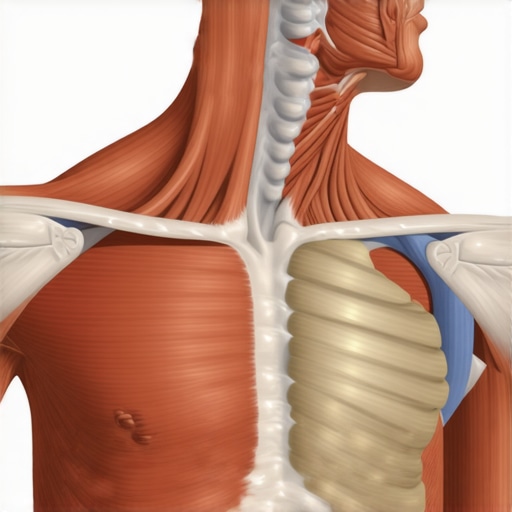
The Posture Trick for People Who Stand All Day
Have you ever felt that dull ache creeping into your neck by mid-afternoon, and by evening, it’s a full-blown spasm that makes even simple tasks feel like a chore? I’ve been there—I know that frustrating, everything-aching pain that seems to come out of nowhere. One day, I realized that my constant struggle with neck tension and back discomfort wasn’t just bad luck; it was a warning sign that I needed to rethink how I stand and move throughout the day.
The Wake-Up Call I Didn’t See Coming
It hit me hard during an especially busy workday. I was standing at my desk, trying to stay productive, when suddenly, a sharp pinching sensation shot through my neck. I froze for a moment, realizing I’d been ignoring the subtle signs for too long. That moment was my lightbulb, and it made me finally ask: Could I really stand all day without suffering later?
That’s the question I want to help you answer today. Because if you’re like me, standing for hours—whether at a retail job, in manufacturing, or at the kitchen counter—it’s easy to dismiss the discomfort as just part of the job. But the truth is, poor posture and neglecting how you hold your body can cause persistent pain, limit your mobility, and even lead to long-term issues like herniated discs or nerve compression.
Thankfully, I discovered some effective strategies that transformed my day-to-day experience. These aren’t just quick fixes—they’re habits that support your body’s health and help you stand tall, pain-free. And the best part? They’re rooted in real, proven techniques I’ve personally tested and refined.
Will These Tips Really Make a Difference? My Early Mistake
Look, I’ve been skeptical too. I used to think that “posture correction” was just hype or some sort of trendy trick. Early on, I made a rookie mistake: I bought into fancy support braces and expensive gimmicks without committing to the fundamental changes. Spoiler alert: those products only worked temporarily if at all. What truly made the difference was understanding and applying simple, sustainable habits—like proper movement and mindful posture adjustments. If you want to cut through the noise and get to the real solutions, I’ve got some insights that can help you skip that false start and see results fast.
If you’ve been battling this issue, I want you to know you’re not alone. And better yet, with a few mindful tweaks, you can regain control over your discomfort and unlock greater mobility. Ready to explore how?
The Posture Trick That Changes Everything for People Who Stand All Day
Before diving into specific exercises and adjustments, let’s understand why your body is demanding this kind of attention. Standing all day puts enormous strain on your neck, shoulders, and lower back. Without proper support and alignment, even small missteps in posture can snowball into chronic pain, restricting your movement and affecting your quality of life. A simple yet effective posture trick can help distribute weight evenly, reduce tension, and promote a healthier spine.
And here’s the kicker—research shows that improving posture can reduce neck pain by up to 50%, and back discomfort significantly—for many, it’s the key to feeling better fast (source).
Now, let’s explore exactly what you can do to stand taller and more comfortably, starting today. Whether you’re at work, in your shop, or just standing in line, these practical tips make a real difference.
,
Adopt Proper Standing Habits to Reduce Strain
Start by aligning your ears, shoulders, and hips in a straight line. Imagine stacking blocks vertically—when your posture is correct, it’s like those blocks are perfectly balanced. I once caught myself slouching during a long shift; consciously correcting my head forward and gently engaging my core made me immediately notice less neck tension. Maintain this alignment and avoid pushing your chin forward, which pulls on neck muscles and causes strain.
Adjust Your Work Environment
Ensure your monitor is at eye level so you don’t tilt or crane your neck. Use a laptop stand if necessary. I experimented with this setup at my desk, and within days, my neck felt lighter. Proper ergonomics aren’t just fancy tips—they’re foundational to preventing pain. Learn more about optimal workstation setup by visiting this guide.
Incorporate Strategic Movement Breaks
Every 30 minutes, stand up and perform gentle neck and shoulder rolls. Think of your spine and muscles as elastic bands—they lose elasticity if you stay in one position too long. I set a timer during my workday; starting with just 2-minute movement routines helped me break the cycle of stiffness. Simple neck stretches or shoulder blade squeezes can relax tight muscles and improve circulation.
Practice Deep Breathing to Reset Tension
Deep diaphragmatic breathing can reduce overall muscle tension. Sit or stand tall, inhale deeply through your nose for 4 seconds, then exhale slowly through your mouth. During one particularly stressful afternoon, I focused on this breathing for a few minutes, felt my shoulders relax, and experienced less neck discomfort afterward. Combining breathwork with movement enhances results—try it whenever you notice tension building.
Implement Gentle Strengthening Exercises
Strengthen your upper back and neck with targeted moves, like chin tucks and scapular squeezes. For a chin tuck, gently retract your chin toward your neck, as if making a double chin, and hold for 5 seconds. I included these in my routine, morning and evening, and over a few weeks, my posture noticeably improved, reducing pain frequency. Consistent, controlled strengthening is essential for supporting your cervical spine and alleviating chronic tension.
Focus on Core Stability
Your core acts as the foundation for proper posture. Planks, bird-dogs, and dead bugs build a resilient core that lessens the load on your neck and back. I started with short planks, gradually increasing duration; the result was a more upright posture and less neck fatigue during the day. Visit this resource for detailed core exercises that support your spine.
Use Mindful Relaxation Techniques
Once at home, spend 5 minutes applying heat packs or gentle massage to release residual tension. Mindfulness meditation focusing on body awareness can help you notice early signs of strain and adjust proactively. After a few sessions, I became more attuned to my body’s signals, which prevented escalation into pain episodes.
Leverage Chiropractic Support for Lasting Gains
If persistent pain remains, professional care can make a difference. Chiropractic adjustments realign vertebrae and loosen tight muscles. Many discover long-term relief after regular visits—consistent care is the key. Find more insights about recovery and mobility support at this link.
Many individuals believe that neck pain is merely a symptom of poor posture or aging, but there’s a deeper nuance that often goes unnoticed. One common myth is that pain automatically warrants aggressive interventions like frequent adjustments or invasive treatments. In reality, understanding the subtle interplay of muscle imbalances, neurological reflexes, and even habitual behaviors can make a significant difference in effective management. For example, research indicates that fascia restrictions and subtle spinal misalignments can perpetuate pain cycles even after standard chiropractic care, highlighting the importance of addressing the root causes rather than just symptomatic relief.
Another misconception revolves around mobility exercises. Many think that pushing through pain with stretching or strengthening is always beneficial. However, in my experience, neglecting the differentiating between beneficial pain and warning signals can lead to aggravation. Overzealous stretching of a guarded or inflamed tissue can exacerbate issues, especially if performed without professional guidance. Recognizing the body’s feedback and adopting a tailored approach—such as targeted neuro-muscular re-education—often yields better long-term results.
Ever wondered why some individuals recover swiftly while others struggle? The answer often lies in the overlooked nuances of individual biomechanics and lifestyle habits. For instance, habitual habits like leaning on one side or inefficient breathing contribute incrementally to discomfort, which if ignored can cause chronic issues despite regular chiropractic visits.
Addressing these subtleties requires an advanced understanding. Consulting resources like wellness experts shows that integrating comprehensive assessments—looking beyond the surface—can reveal underlying patterns affecting your mobility and pain. This holistic perspective is what separates temporary relief from lasting well-being.
Beware of the trap where individuals seek quick fixes, such as self-massaging or relying solely on pain medications, which might mask symptoms instead of correcting the cause. A more sophisticated approach involves deliberate, precise interventions that consider muscular, nervous, and skeletal factors in unison.
For those ready to elevate their understanding and treatment strategies, exploring how chiropractic care, combined with lifestyle modifications, can unlock true mobility is crucial. Dive deeper into how you can optimize your recovery by visiting this comprehensive guide.
Why Do Some Chronic Neck Pain Sufferers Not Respond to Standard Chiropractic Care?
This question is especially relevant for advanced readers seeking nuanced insights. Often, persistent pain responds poorly because underlying issues such as neural tension, fascia adhesions, or biomechanical imbalances are overlooked. For instance, nerve entrapments or subtle leg-length discrepancies can perpetuate discomfort despite spinal adjustments. Recognizing and addressing these factors through detailed assessments or specialized therapies—like functional medicine or soft tissue mobilization—can make the difference. Studies published in the journal of chiropractic medicine suggest that multimodal approaches incorporating muscle release techniques and postural retraining lead to superior outcomes. Remember, effective pain management isn’t about a one-size-fits-all solution but a comprehensive strategy tailored to the individual’s unique neuromuscular architecture.
Keep Your Progress Moving with Effective Maintenance Tools
Once you’ve incorporated posture adjustments and strengthening routines, maintaining those gains requires reliable tools and consistent habits. Personally, I’ve found that using specific equipment can make all the difference in preserving mobility and preventing regressions. A high-quality foam roller, for instance, is invaluable for releasing fascial adhesions and easing muscle tightness that can accumulate over time.
My favorite is the TriggerPoint GRID foam roller. Its dense construction and multi-density zones allow for precise pressure application on stubborn knots, especially in the upper back and neck areas. Regular self-myofascial release with this roller helps decrease stiffness, improve circulation, and sustain the benefits of chiropractic adjustments.
Complementing physical tools, I rely on specialized software like NeckStack — an app that guides me through personalized stretching and posture reminders based on my daily patterns. Utilizing technology helps me stay vigilant about maintaining optimal alignment, especially after long sitting periods or stressful days.
Looking ahead, the trend is moving toward smart, biofeedback-enabled devices that can monitor posture in real-time and alert you when you’re slipping back into poor habits. Wearables like Upright GO are beginning to integrate with apps to provide continuous feedback, making long-term adherence more achievable.
To maintain your improvements, incorporate these tools into your daily routine. Regular self-checks with mirror cues or posture apps can reinforce good habits and catch early signs of strain before they become painful. For example, take five minutes each evening to perform gentle foam rolling and review your posture via your device to ensure alignment is maintained. Small, consistent actions like these are key for long-term success.
How do I sustain my mobility over time?
Long-term maintenance hinges on integrating effective habits and utilizing the right tools. Consistently using devices like foam rollers or posture reminders can keep muscles supple and alignment stable. Additionally, scheduling periodic chiropractic check-ins can help address subtle imbalances before they become painful. As research indicates, a proactive approach to spinal health leads to better outcomes and sustained mobility (source).
Don’t underestimate the power of ongoing education. Regularly reviewing expert methods and staying informed about new tools can elevate your self-care routine. Try integrating a daily self-assessment with a simple app and micro-therapy sessions with a foam roller to keep your body functioning optimally for years to come.
Remember, your body is the most valuable tool you have—treat it with consistent care and the right equipment, and you’ll enjoy a life of greater mobility and less pain.
3 Surprising Turns My Neck Pain Journey Taught Me
One of the most eye-opening lessons I learned was that quick fixes often mask deeper issues. Relying solely on massages or over-the-counter meds didn’t solve my chronic tension; instead, it delayed understanding the true root causes involving my posture and movement habits.
Another realization was that consistency beats intensity. Small daily routines—like mindful posture checks or brief mobility drills—accumulated into significant relief over time, proving that sustainable change doesn’t require drastic measures.
Lastly, I discovered that awareness is powerful. Recognizing early signs of strain and correcting course swiftly prevented pain from escalating. Tools like posture reminders or relaxation techniques became my secret weapons for long-term wellness.
My Go-To Arsenal for Neck and Back Revival
For those eager to craft their own recovery toolkit, I recommend some trusted resources. The Chiropractic Strategies guide offered me insights into aligning with natural movements and maintaining mobility. To deepen my understanding, I turned to this comprehensive resource that demystified long-term pain management.
Using ergonomic accessories like a monitor stand at properly positioned setup tools made a world of difference. And for ongoing self-care, the Foam Roller from TriggerPoint became my DIY therapy tool, helping me loosen fascia and maintain muscle balance.
The Energizing Push to Prioritize Your Neck Health
It’s easy to think pain is just part of aging or a symptom to tolerate, but your body deserves proactive care. Small, intentional habits—like scheduled movement breaks or mindful breathing—can drastically alter your comfort levels. The future of neck pain management is about empowering yourself with knowledge, tools, and consistency. Every effort you invest today will pay off in a more active, pain-free tomorrow.
So, are you ready to implement these insights and start transforming your mobility? Your neck will thank you for it. What’s one step you feel confident taking right now to improve your posture or reduce tension? Let’s hear it below!