Why You Should Never Sleep on Your Stomach
It was midnight, and I was tossing and turning again. My neck felt stiff, and a dull ache had settled deep into my lower back. Frustration crept in as I realized that my nightly routine—sleeping on my stomach—was likely the culprit. That lightbulb moment hit hard: I had been unknowingly sabotaging my back and neck health every night. If you’re like I was, you probably dismiss your sleep position as a minor detail. But trust me, it’s a game-changer.
The Hidden Damage of Stomach Sleeping
Are You Undermining Your Comfort Without Knowing?
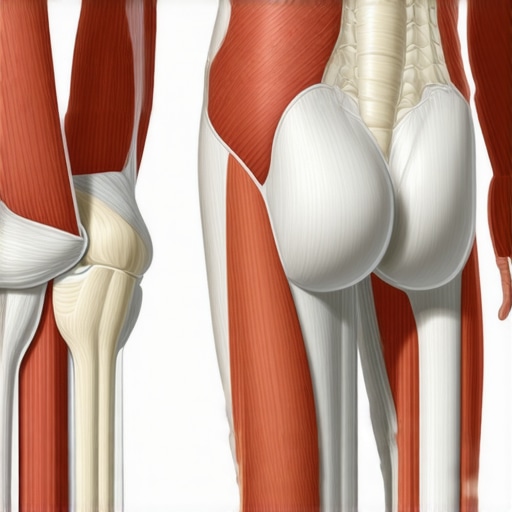
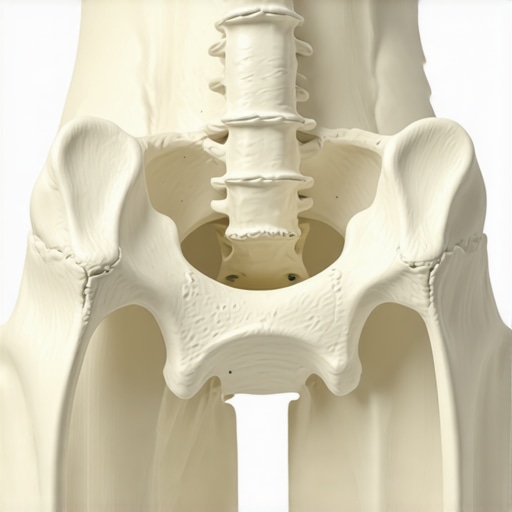
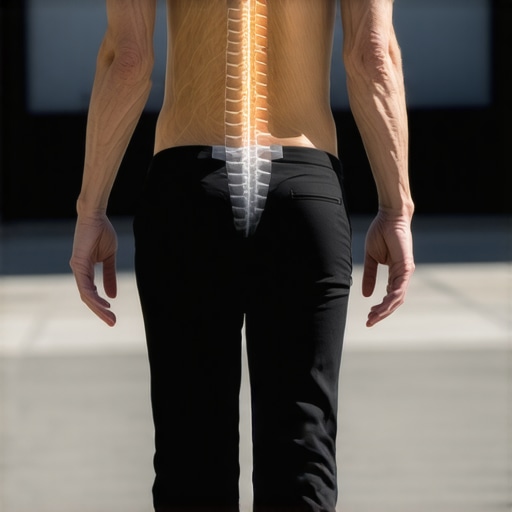
Many of us assume that how we sleep doesn’t matter—after all, we just need rest, right? Wrong. Sleeping on your stomach forces your neck into an unnatural twist and flattens the natural curve of your spine. I used to wake up feeling worse than when I went to bed—stiff, sore, and with headaches that seemed to come out of nowhere. It wasn’t just bad luck; it was my sleeping position.
Early on, I made a critical mistake: I dismissed the discomfort as temporary or just part of aging. It wasn’t until I read a study highlighting that sleeping on your stomach can lead to increased spinal stress and muscle strain that I realized I had to change my habits. You can explore more about the impact of sleeping positions on mobility and pain relief [here](https://quackersspinal.com/restore-your-back-mobility-proven-chiropractic-strategies).
But here’s the good news: with some adjustments, you can improve your sleep quality, protect your spine, and wake up feeling refreshed. In the sections ahead, I’ll share practical, proven strategies to shift your sleep habits and put an end to waking up stiff and sore.
Adjust Your Sleep Environment
Start by evaluating your mattress and pillows. Ensure your mattress isn’t too soft or too firm; a medium firmness supports spinal alignment. Use a pillow that maintains the natural curve of your neck—consider a cervical pillow or a rolled towel for added support. Avoid stacking multiple pillows, as this can elevate your head excessively and strain your neck.
Switch Up Your Sleeping Habits
Commit to sleeping on your side or back instead of your stomach. If you tend to revert to stomach sleeping, place a pillow in front of you or between your knees to encourage side or back sleeping. Over the course of a week, gradually train your body by consciously choosing these positions. I remember one week where I deliberately positioned myself differently each night, which made the transition smoother and less stressful.
Practice Proper Side and Back Sleeping Techniques
When sleeping on your side, keep your head aligned with your spine—use a pillow that fills the space between your neck and mattress without tilting your head up or down. For back sleeping, lie flat with a small pillow under your knees to maintain lumbar curve. Think of your spine like a gentle wave—support that allows it to rest in its natural shape minimizes strain and pain.
Incorporate Daily Mobility and Posture Exercises
Engage in targeted mobility drills to reinforce correct posture habits. These exercises help reset misalignments caused by poor sleep and daily activities. For instance, the revitalization routines strengthen core muscles and improve spinal flexibility, reducing tension accumulated overnight. I personally dedicate 10 minutes each morning to simple stretches, which dramatically decrease morning stiffness.
Strengthen Neck and Back Muscles
Weak muscles fail to support proper alignment. Incorporate exercises like chin tucks and scapular squeezes daily to build resilience. Consistency is key; in my experience, performing these exercises three times a week has visibly improved my posture and sleep comfort. Pairing strength training with mobility work creates a robust foundation for spinal health.
Consult a Professional
If discomfort persists, seek a chiropractor specializing in sleep ergonomics and spinal alignment. A tailored assessment can identify specific issues and provide personalized adjustments or recommendations. I found that a quick consultation provided insights into my unique sleep-related misalignments. Learn more about effective solutions at chiropractic solutions.
 Many individuals believe that chiropractic adjustments alone can completely eliminate persistent back and neck pain, but this oversimplifies a complex issue. In my experience as a seasoned chiropractor, I’ve seen patients assume that a single adjustment or quick fix will solve their mobility struggles, when in reality, true progress requires a nuanced approach that combines targeted exercises, lifestyle modifications, and a deep understanding of spinal biomechanics. For example, some think that stretching is always beneficial, yet it’s crucial to identify which stretches might actually aggravate specific conditions, such as disc herniation or muscle imbalances. Scientific research supports this; a study published in the Journal of Physical Therapy Science highlights that improper stretching can exacerbate spinal issues if not tailored correctly.
Another common myth is that back pain is purely mechanical, ignoring the neurovascular components that influence pain perception and healing. In fact, recent findings indicate that inflammation and nerve sensitization play a significant role, and addressing these factors can be pivotal in recovery. This is where an advanced understanding of the interconnectedness between spinal health and systemic factors becomes valuable.
Beware of the trap of relying solely on passive treatments like massage or heat therapy without empowering yourself with active mobility and strengthening routines. Passive modalities may provide temporary relief, but without addressing underlying movement restrictions or muscle weaknesses, the pain often returns. A comprehensive strategy involving chiropractic adjustments, as outlined in our piece on [boost-your-back-health](https://quackersspinal.com/boost-your-back-health-simple-yet-effective-chiropractic-hacks), and specific mobility exercises is far more effective.
For the more advanced reader, consider how movement patterns and postural habits contribute to chronic pain. Are you aware that habitual poor posture can lead to altered spinal mechanics, which in turn perpetuate pain cycles? Correcting these patterns involves more than just exercise; it requires awareness and behavioral change. Techniques like functional movement screening and neuromuscular re-education are often overlooked but can dramatically improve outcomes.
Finally, many fall into the misconception that chiropractic care is only about spinal cracks. While adjustments are a core element, the true expertise lies in understanding the subtleties—such as specific joint mobilizations, soft tissue therapies, and patient education—that facilitate long-term improvement. To deepen your knowledge and avoid common pitfalls, explore our detailed guide on [restoring back mobility](https://quackersspinal.com/restore-your-back-mobility-proven-chiropractic-strategies).
Have you ever fallen into this trap? Let me know in the comments. Remember, mastery involves recognizing these nuances and applying them consistently for lasting relief and optimal function.Maintaining the health of your spine and ensuring ongoing mobility requires more than just good habits; it involves the right tools and routines that support long-term results. One tool I personally recommend is a quality foam roller. I use my foam roller regularly to release muscle tension, particularly in the thoracic and lumbar areas, which helps prevent stiffness and keeps my mobility fluid. For optimal effectiveness, I prefer a textured, medium-density roller that allows me to target deep muscle layers without causing discomfort, facilitating my recovery and flexibility enhancements.
In addition, incorporating specific chiropractic devices into your routine can make a significant difference. I rely on a cervical traction device for gentle neck decompression, especially after long hours at a desk or screen. It’s a simple, non-invasive way to reduce nerve compression and improve circulation—making it a staple in my daily toolbox. Consistent use, combined with mobility exercises, can lead to cumulative improvements in neck comfort and function.
Software tools are also increasingly valuable for tracking progress and maintaining accountability. I recommend mobile apps that guide you through mobility routines, such as guided stretching sequences tailored for back and neck health. These apps often include reminders and progress tracking features, which help in establishing consistent habits over time.
Predicting where this trend is heading, I believe wearable technology will play an even larger role. Advanced sensors capable of monitoring posture and movement patterns will provide real-time feedback, alerting you to poor habits before they cause pain or injury. Staying ahead of these developments, I’m excited about integrating smart devices that can automatically correct postural deviations, making long-term maintenance more intuitive and personalized.
**How do I maintain mobility and pain relief over time?** Regularly updating and customizing my toolkit is key. For example, I revisit my foam rolling routine monthly, adjusting techniques based on recent discomfort spots. I also explore new apps and wearable tech to keep my practice fresh and effective. Remember, consistency with these tools amplifies their benefits, leading to sustained results.
Don’t hesitate to try one of these advanced tips—such as using a cervical traction device or adopting a smart posture-monitoring system. Integrating these into your daily routine can dramatically enhance your spinal health and prevent chronic issues from developing. For more insights on augmenting your mobility routines, check out [revitalizing your mobility](https://quackersspinal.com/revitalize-your-mobility-proven-strategies-for-back-pain-relief) or [boost your back health](https://quackersspinal.com/boost-your-back-health-simple-yet-effective-chiropractic-hacks). Remember, long-term care is about proactive choices and the right tools—arm yourself today for a healthier tomorrow.Throughout my journey into spinal health, I discovered that the most profound lessons often come from our failures and small revelations. I realized that consistent posture awareness beats sporadic adjustments, and that deep-seated habits like sleeping on your stomach can silently erode your mobility over years. It’s easy to assume that quick fixes or superficial routines are enough, but true progress demands a willingness to confront uncomfortable truths—like acknowledging when a pain is a sign of a deeper issue. Each setback taught me to listen more carefully to my body, fostering patience and resilience in my recovery process.