Why Your Wallet in Your Back Pocket Is Ruining Your Spine
Have you ever reached into your back pocket, only to feel that uncomfortable pinch or sudden twinge in your lower back? That familiar, nagging ache that seems to come out of nowhere? I used to brush it off, dismissing it as just part of getting older or the price of a busy day. But one day, after ignoring that persistent discomfort for weeks, I finally made a realization that changed everything: my wallet was the culprit—hidden in plain sight, ruining my spine.
Why Your Back Pocket Wallet Could Be Sabotaging Your Health
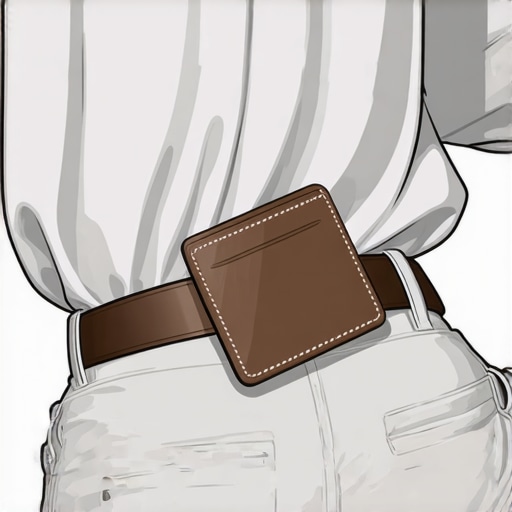
It might sound trivial, but placing your bulky wallet in your back pocket can cause serious alignment issues over time. When you sit or stand with that extra weight pressing against one side of your pelvis, it juts out your hips and strains your lower back muscles. This imbalance can lead to chronic pain, limited mobility, and even nerve irritation if left unaddressed. During my early days of battling back pain, I made the mistake of ignoring this small detail, and it only worsened my condition—until I discovered the connection.
Research shows that asymmetrical pressure on the spine can contribute to disc misalignment and muscle fatigue, which might seem minor initially but develop into long-term problems. (Learn more about this connection from this insightful guide.)
Could Your Wallet Be the Hidden Villain?
If you’ve ever experienced recurring lower back discomfort, numbness, or stiffness, it’s worth examining your habits—starting with what’s in your pocket. For me, simply switching to a front pocket or a slim cardholder made a world of difference. And yet, this small change was just the beginning. The real solution involves understanding how daily habits impact your spine and learning effective ways to prevent these issues from creeping back.
This article will walk you through simple, practical steps to protect your back, improve mobility, and say goodbye to that annoying wallet-induced pain. Ready to reclaim your comfort? Let’s dive into the root causes and effective strategies to keep your spine healthy.
.
Adjust Your Sitting Habits Immediately
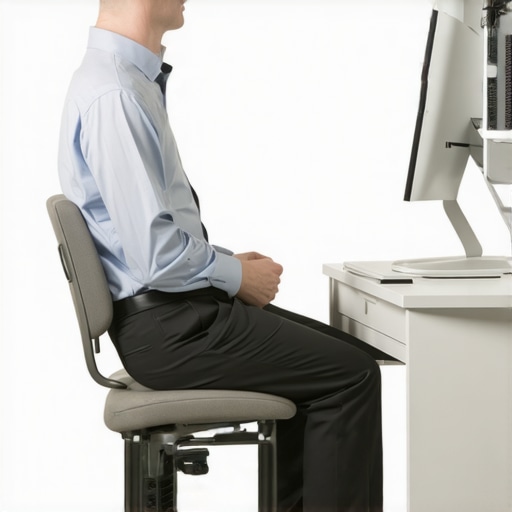
Start by setting up your workspace to promote proper alignment. Use an adjustable chair that supports your lumbar curve, ensuring your hips are level with or slightly higher than your knees. Keep your feet flat on the floor or on a footrest. Pay attention to your monitor height—top of the screen should be eye level, reducing neck strain. During my first week of making these changes, I noticed a significant decrease in neck tension and the dull ache in my lower back became less frequent.
Use a Lumbar Support or Rolled Towel
Enhance chair support by placing a rolled towel or lumbar pillow at the curve of your lower back. This acts as a cradle, maintaining spinal curvature even during prolonged sitting. I experimented with a homemade towel roll, and within days, I experienced less fatigue in my lower back muscles. Consistent support disrupts the cycle of compression and poor posture that leads to pain.
Incorporate Micro-Movements into Your Day
Break up sitting time with simple, targeted exercises. Every 30 minutes, stand up and perform spinal twists, gentle backbends, or hip hinges. Think of your spine as a flexible pipe; moving it regularly prevents stagnation and stiffness. I set a timer and did quick stretches, which prevented the stiffening that would normally set in after hours of static posture. These micro-movements keep discs nourished and muscles active, reducing pain buildup.
Focus on Core Activation
Strengthening your core stabilizes your entire spine. Try activating deep abdominal muscles by practicing diaphragmatic breathing or performing the pelvic tilt exercise—flattening your lower back into the floor and engaging core muscles. I added 2 minutes of this routine daily, and over a month, I noticed improved posture and less lower back soreness. A strong core is your foundation against everyday strain and misalignment.
Prioritize Hip Flexor and Hamstring Flexibility
Tight hip flexors and hamstrings pull on your pelvis, contributing to lower back strain. Regularly perform stretches such as the kneeling hip flexor stretch or seated hamstring stretch. Incorporate these into your evening routine. Initially, I struggled to reach my toes, but consistent practice gradually increased my flexibility, easing my lower back stiffness and restoring natural pelvic alignment.
Implement a Daily Mobility Routine
Establish a quick, 5-minute mobility sequence each morning. Combine spinal rotations, shoulder rolls, and hip openers to lubricate joints and boost circulation. I found that starting my day with this routine set a positive tone and reduced my pain episodes. Consistency is key—these small daily investments pay off by preventing chronic tightness and discomfort.
Leverage Chiropractic Techniques Safely
Consult a qualified chiropractor to identify hidden misalignments. A professional adjustment targets joints that aren’t moving properly, restoring function without the pain of invasive procedures. I visited a chiropractor, who used specific mobilization techniques that immediately improved my movement range. Regular check-ins can keep your spine in optimal condition, especially if you spend hours sitting.
Stay Informed and Adjust as Needed
Keep learning about posture, ergonomics, and mobility. Read authoritative guides, like mastering back and neck pain relief tips, to refine your routine. Every body reacts differently; personalized adjustments ensure sustained progress. My journey involved experimenting with different workouts and ergonomic tweaks until I found what alleviated my pain most effectively.
By integrating these concrete actions into your daily life, you transform passive awareness into active prevention and relief. Remember, small, deliberate steps forge lasting change—each one repositions your spine toward health and mobility.
While many believe that neck and back pain are purely tied to aging or injury, the reality is far more complex. A prevalent misconception is that pain always requires aggressive treatment or invasive procedures. However, often the root causes are related to subtle misalignments, repetitive postural habits, or unnoticed muscular imbalances that persist for years without noticeable symptoms until they manifest as pain. Recognizing these nuances allows for more targeted, effective interventions, such as specific chiropractic adjustments or mobility routines, that address the underlying issues rather than just masking symptoms.
Are You Falling for These Common Chiropractic Myths?
Maintaining spinal health beyond initial remedies requires the right tools that can support your progress daily. One device I personally swear by is an adjustable foam roller. Unlike traditional rollers, my preferred model has variable firmness settings, allowing me to target specific trigger points without risking overstimulation. I use it every morning to release tightness in my thoracic and lumbar regions, which helps keep my mobility fluid and pain-free. For my home setup, I invested in a lumbar support cushion with customizable height, which ensures my office chair maintains proper alignment even during long workdays. This has been crucial in preventing the recurrence of back stiffness and facilitating better posture habits.
On the software front, I highly recommend using mobility tracking apps like Mobility Mastery. These apps guide you through daily routines, set reminders, and track your progress, giving you accountability and clear milestones. Personally, I log my daily stretches and exercises, which motivates me to stay consistent. Consistency is key when it comes to long-term results, and these tools help make that process manageable.
For those seeking a more structured approach, consulting with a physiotherapist or chiropractor who offers digital assessments can be a game-changer. Many professionals now utilize telehealth platforms, allowing for personalized routines based on detailed evaluations. Incorporating such tailored guidance accelerates healing and ensures exercises are performed correctly, reducing the risk of injury or setbacks. As technology advances, I predict a future where augmented reality (AR) guides us through proper movement patterns in real-time, making self-maintenance even more effective and accessible.
Remember, investing in quality tools and reliable resources is not just about quick relief but establishing sustainable habits. The goal is to empower yourself with the right equipment, software, and professional support to keep your spine functioning optimally over the years. To start, try including a specialized foam roller into your daily routine; it’s a small step that yields significant long-term benefits. For more advanced strategies, explore practices recommended in Proven Strategies for Back Pain Relief and stay proactive in your self-care journey.
Throughout my healing process, I discovered that genuine progress often comes from unexpected insights and personal reflections—not just routine exercises or professional advice. Sharing these discoveries can offer you fresh perspectives and empower your own journey toward better spinal health.
What I Learned the Hard Way About Overlooking Small Habits
- Ignoring the impact of everyday choices, like wallet placement or sitting posture, can silently sabotage your back. Recognizing these subtle habits was a revelation for me, emphasizing that prevention is often about small, consistent adjustments.
- Consistency outweighs intensity. Mindful routines performed daily gradually transformed my mobility and pain levels more effectively than sporadic, intense workouts.
- Listening to my body provided clues I often dismissed. Paying attention to even minor discomfort helped me address issues before they became chronic problems.
- Professional guidance complements self-care. Regular check-ins with a trusted chiropractor helped me stay aligned, reinforcing that expert insights are invaluable in personal health routines.
- Patience is key. Recovery is a journey, not a sprint. Celebrating small victories kept me motivated and committed to long-term wellness.
My Favorite Tools for Maintaining a Healthy Spine
- Adjustable foam rollers: They let me target trigger points safely and customize my massage, making recovery routines more effective and enjoyable.
- Mobility tracking apps: Tools like ‘Mobility Mastery’ keep me accountable, helping me stay consistent with my daily routines and monitor progress over time.
- Ergonomic accessories: Lumbar supports and adjustable desks transformed my workspace, turning it into a sanctuary for spinal health.
- Educational resources: Reading expert-backed guides allowed me to understand my body better and refine my routines based on sound advice.
Keep Pushing Forward: Your Spine Deserves It
Remember, every small step you take toward improving your neck and back health builds a foundation for a more mobile, pain-free future. Incorporate habits that promote proper posture, stay active, and seek professional guidance when needed—these are investments that will pay dividends for years to come. Don’t let frustration or impatience hold you back; progress is personal and cumulative. Your spine is resilient, and with the right approach, you can reclaim the comfort and mobility you deserve. What’s the first small change you plan to make today to support your spinal health? Share below—I love hearing your stories and tips!