Why Your Mouse Position Is Creating That Pain Under Your Shoulder Blade
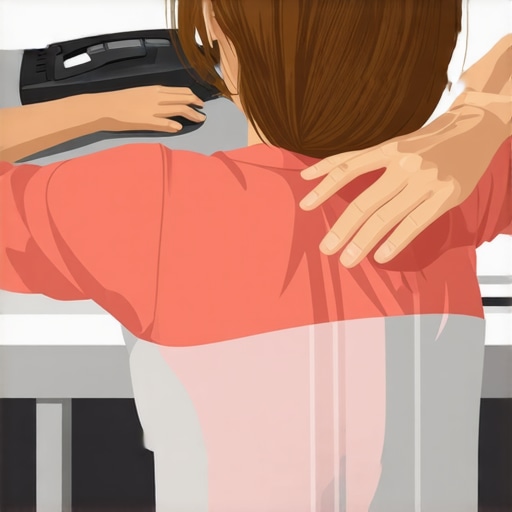
Have you ever felt a dull ache creeping under your shoulder blade after a long day at your desk? One moment, you’re working seamlessly. The next, there’s that nagging, persistent discomfort that just won’t go away. I remember vividly the lightbulb moment when I realized my mouse placement was quietly sabotaging my shoulder health. It’s a mistake many of us make without even noticing, and it can lead to ongoing pain that affects daily life.
Simple Habits, Serious Consequences
The truth is, tiny adjustments in your workspace can make all the difference. I used to shrug off that dull ache, blaming stress or bad posture. But after digging deeper, I discovered that where I placed my mouse was subtly pulling my shoulder out of alignment. That constant tension was creating a cycle of pain, and I was unwittingly making it worse with poor habits.
The good news? By understanding the root cause and making small tweaks, I managed to transform my discomfort into relief. Today, I want to share with you the exact principles I found helpful—so you don’t have to suffer in silence. If you’ve faced this problem, keep reading because the fix could be simpler than you think.
Could Your Workspace Be Sabotaging Your Comfort?
One mistake I made early on was ignoring the importance of ergonomic setup. I thought I was sitting correctly, but my mouse was placed too far to the side, forcing my arm and shoulder into unnatural positions. This misalignment caused repetitive strain, ultimately leading to that dull pain beneath my shoulder blade. It’s a common oversight, and studies show that ergonomic flaws are a leading cause of workplace musculoskeletal issues (source: Understanding Back Pain).
It’s so easy to overlook how small positioning decisions impact our health. But trust me, fixing your mouse position and improving your workspace setup can have a profound impact. In the next section, I’ll guide you through practical steps to address this issue, so you can work comfortably and keep pain at bay.
Adjust Your Workspace for Better Alignment
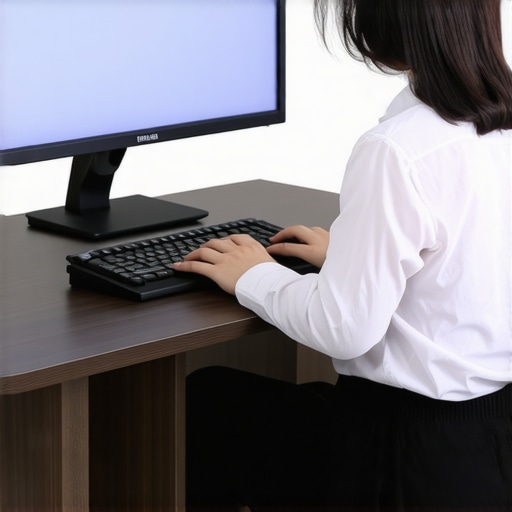
First, evaluate your desk setup. Place your mouse close to your keyboard to prevent reaching and straining your shoulder. Ensure your monitor is at eye level to avoid tilting your head downward, which can cause neck tension. I once experimented with stacking books under my monitor, which instantly reduced my neck discomfort and improved my posture throughout the day.
Position Your Mouse Correctly
Use a mouse pad with wrist support and keep the mouse at a comfortable height. A common mistake is placing it too far to the side, forcing your shoulder into a raised or hunched position. I repositioned my mouse closer to my body, and within days, the dull ache beneath my shoulder blade diminished significantly. Remember, small positional changes can prevent repetitive strain injuries.
Optimize Your Chair and Posture
The right chair supports your lower back and keeps your feet flat on the floor. Sit back fully, with shoulders relaxed and back against the chair. I learned the hard way that leaning forward causes unnecessary tension, so I set a reminder to check my posture regularly. Think of your spine as a stack of blocks—balanced alignment ensures smooth movement and less discomfort.
Implement Movement Breaks Throughout Your Day
Standing up and stretching every 30 to 60 minutes can prevent stiffness and improve circulation. A simple trick is the 60-second neck roll or shoulder blade squeeze. Once, I set a timer, and during a particularly long coding session, I paused to perform these movements. The difference in tension and mobility was immediately noticeable, helping me stay alert and pain-free.
Practice Specific Mobility Exercises
Rolling your shoulders, thoracic spine stretches, or gentle neck tilts can release built-up tension. I dedicated five minutes during lunch to a routine I found in chiropractic strategies. Combining these with deep diaphragmatic breathing enhanced relaxation, reducing lingering pain.
Use Targeted Techniques for Lasting Relief
Trigger point therapy with a tennis ball against the wall helped address stubborn knots in my upper back. Place the ball on painful spots, gently lean, and apply pressure for 20 seconds. I included this in my daily routine after reading tips from chiropractic insights, which emphasized consistency for durable results.
Seek Professional Guidance When Needed
If pain persists despite these adjustments, consulting a chiropractor can provide precise realignment. I visited a professional after weeks of discomfort, and a few gentle adjustments made an immediate impact. Regular check-ins can help maintain alignment and prevent future issues. More info can be found in these chiropractic hacks.
Many people believe that increasing flexibility or doing more stretching automatically alleviates neck and back pain, but in my experience, this can sometimes lead to new issues. A prevalent misconception is that all mobility exercises are universally beneficial, yet certain approaches can actually exacerbate problems if not tailored correctly. For example, aggressive stretching of a strained muscle may temporarily loosen it but can compromise joint stability and lead to further discomfort, especially if done without proper warm-up or professional guidance. According to research published in the Understanding Back Pain guide, not all mobility work is created equal—context and technique matter significantly.
Another trap many fall into is thinking that pain is solely a sign to rest or avoid movement. While rest has its place, especially in acute injury phases, excessive immobility can lead to joint stiffness and muscle weakening, ultimately prolonging recovery. The key is to differentiate between safe, beneficial movement and harmful, aggressive manipulations that can destabilize your spine. A nuanced approach, integrating evidence-based techniques, helps maintain optimal function without risking injury.
What most people overlook is that pain can sometimes be a warning signal of underlying imbalances or faulty movement patterns—like a complex puzzle that requires a focused strategy. For instance, poor posture-driven habits, such as compensating with one side of the body, can create asymmetric stress, leading to chronic neck or back discomfort. Addressing these subtleties requires a comprehensive assessment, often provided by a chiropractor experienced in mobility and spinal health. I recommend exploring these simple yet effective chiropractic hacks to fine-tune your approach.
Are You Falling for Simplistic Solutions That Don’t Address Root Causes?
As someone deeply involved in spinal health, I’ve seen countless cases where quick fixes like generic stretching routines or over-reliance on passive therapies fail in the long run. Instead, focusing on specific biomechanics and functional movements unlocks sustainable relief. For advanced insights on this, check out how chiropractic care enhances movement.
Remember, understanding your unique condition and avoiding common myths can prevent setbacks. Be cautious of one-size-fits-all advice, and consider consulting a professional to develop an individualized plan. If this resonates, share your experience below. Have you ever fallen into this trap? Let me know in the comments.
Keeping It Working: Essential Tools for Long-Term Spinal Health
Maintaining your mobility and managing neck and back pain isn’t a one-time effort; it requires consistent practice and the right equipment. Over the years, I’ve curated a set of tools that have truly elevated my recovery and daily comfort. Let me share exactly what I use and why these particular items are game-changers.
First, I swear by a high-quality foam roller with moderate density. Unlike the dense, hard rollers, my preferred foam roller gently releases fascial restrictions without causing undue strain. I specifically use the SoftPro Foam Roller. It helps me target tight spots in my thoracic spine and hips, promoting better posture and reducing tension buildup over time. Regular rolling sessions, about three times a week, have significantly improved my mobility and decreased chronic discomfort.
Next up is a set of resistance bands, especially those with handles, like the Elastic Mobility Bands. These are invaluable for active stretching and strengthening, particularly for stabilizing muscles that support your neck and back. I incorporate band-assisted shoulder blade squeezes and thoracic rotations into my routine, which target specific weak points and support long-term alignment.
To fine-tune my ergonomics, I rely on a height-adjustable standing desk. It allows me to switch positions regularly, reducing the strain from static sitting. How do I maintain this setup over time? I routinely calibrate my desk height using a digital caliper to ensure the monitor is at eye level and my keyboard is positioned so my elbows are at 90 degrees. Precise alignment minimizes awkward postures, keeping my spine healthier longer.
When it comes to daily mobility checks, I use a mirror with a full-length view—yes, old school but incredibly effective. It helps me verify my posture regularly, noticing subtle shifts that can lead to discomfort if ignored. Paired with mindfulness, this simple visual cue reminds me to correct my position before tension develops.
Advanced techniques include trigger point therapy using a tennis ball against the wall. I position it over stubborn knots in my upper back and hold gentle pressure for about 20 seconds. According to the Comprehensive Back Pain Guide, this method addresses myofascial restrictions directly, fostering relaxation and improved circulation.
Looking ahead, I believe technology will continue to innovate in this space. Wearable devices that monitor posture and muscle activation patterns, for example, could provide real-time feedback and personalized recommendations, making maintenance even more effective and effortless.
How do I maintain my mobility and pain management tools over time?
Consistency is key. I set weekly reminders to clean and inspect my foam roller and resistance bands, replacing them if they become worn. For tech gear, I regularly update firmware and recalibrate settings to ensure accuracy. By integrating these tools into my routines, I’ve created a sustainable system that supports my long-term spinal health and mobility.
If you’re serious about lasting relief, try incorporating trigger point therapy with a tennis ball into your daily routine. It’s simple, effective, and proven to make a difference, especially when applied regularly. Remember, these tools work best when used consistently—think of them as your ongoing allies in health.

Illustration of a person demonstrating foam rolling and resistance band exercises for shoulder and back mobility. Alt: Person using foam roller and resistance bands for spinal health. Title: Essential tools for maintaining long-term neck and back health.
What I Didn’t Expect About My Journey to Mobility
One of the most surprising lessons I learned was that addressing pain isn’t just about quick fixes or isolated exercises. Instead, understanding the intricate relationship between posture, movement habits, and spinal health revealed that real progress comes from consistency and genuine awareness of daily habits. I vividly recall realizing that focusing solely on stretching without correcting underlying imbalances only provided temporary relief, leading me to deeply reevaluate my approach.
Curated Tools That Make a Difference in Spinal Health
My toolkit for lasting relief includes a reputable foam roller like the SoftPro Foam Roller, resistance bands such as Elastic Mobility Bands, and a height-adjustable desk that allows fluid movement throughout the day. These tools, trusted through personal experience, have helped me maintain alignment and prevent setbacks, emphasizing that investing in proper equipment supports sustainable habits over time.
Keep Moving, Keep Improving
Most importantly, I want to inspire you to take action. Incorporate small movement breaks, practice targeted mobility exercises, and don’t shy away from seeking professional guidance when necessary. Your journey toward pain-free living is entirely achievable with patience, consistency, and the right tools. Remember, your spine’s health isn’t a destination but a daily commitment—embrace it today, and every day can be a step toward lasting comfort.