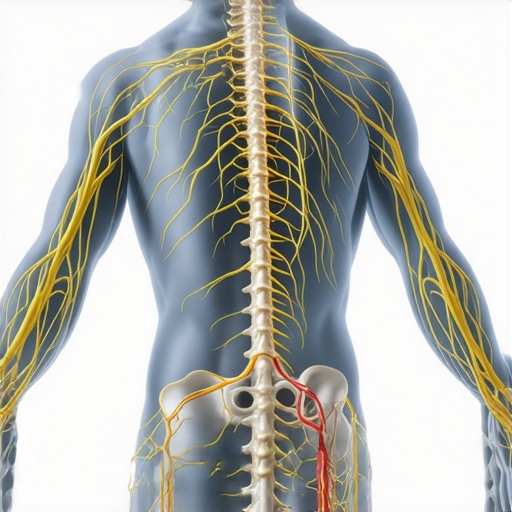
The Truth About Inversion Tables and Disc Decompression
I remember the exact moment I realized I was suffering more than I admitted. Sitting at my desk, neck stiff and throbbing, I was desperate for relief but clueless about where to turn. It hit me—this chronic discomfort was controlling my life, and I couldn’t afford to ignore it any longer. That lightbulb moment led me down a rabbit hole of health advice, where I discovered inversion tables and disc decompression. Curious? Keep reading, because I’m about to share what I’ve learned and how it might just transform your own back story.
The Hook: My Struggle with Back and Neck Pain
For months, I found myself avoiding activities I once loved—playing with my kids, hiking, even simple chores. Every movement felt like a gamble—would I trigger that sharp pain? It was exhausting. I tried everything: stretching, heat packs, even prayers. Nothing offered lasting relief. That’s when I stumbled upon inversion therapy, promising a natural approach to decompress discs and alleviate pressure. Sounded promising, but I wasn’t convinced it was worth risking further injury or wasting time. And honestly, that skepticism is shared by many—rightly so, considering the bombardment of quick fixes out there.
The Promise: Clearing Up the Confusion About Inversion Tables
Today, I want to cut through the noise. We’ll explore whether inversion tables truly live up to their hype, what mistakes to avoid, and how they might fit into your back health routine. If you’ve ever felt overwhelmed by conflicting advice or worried about making your condition worse, you’re in the right place. My goal is to help you navigate this terrain with clarity and realism—so you can make informed decisions and reclaim your mobility and comfort.
Question: Are Inversion Tables Actually Worth the Hype?
When I first considered inversion therapy, I was naive. Early on, I made a rookie mistake—thinking that a quick session on the inversion table would magically fix my issues. Turns out, I was rushing into something I didn’t fully understand. According to recent research, improper use of inversion devices can sometimes exacerbate certain conditions, especially if you have specific disc problems or high blood pressure. That’s why, before trying inversion therapy, it’s crucial to know the facts and consult with a trusted healthcare provider. If you’re curious about safer alternatives or want to learn more about effective chiropractic strategies, check out these simple yet effective hacks for boosting back health.
Activate Your Core for Better Support
Think of your core as the foundation of a building; a weak base leads to instability. I remember during a particularly stubborn flare-up, I decided to do gentle planks each morning. Instead of rushing through, I focused on slow, controlled breathing and engaging my abdominal muscles. Within a week, I noticed less strain during daily activities. Practice stacking your shoulders over your hips, and avoid slouching, which stresses your spine.
Stretch with Purpose to Release Tension
The wrong stretches can aggravate neck and back pain. I once tried to stretch my hamstrings, believing flexible legs would ease my lower back. Instead, I ended up with increased tension. Instead, focus on gentle neck tilts and thoracic corridor stretches—these help mobilize stiff joints. Hold each stretch for at least 20 seconds, breathing deeply, and avoid bouncing to prevent nerve irritation. For comprehensive guidance, check out these expert stretching tips.
Target Tight Muscles Carefully
Trigger points in the upper trapezius can cause neck stiffness. I used a tennis ball against a wall to apply gentle pressure to tender spots—this self-myofascial release technique brought quick relief. Be cautious: avoid painful ‘knots,’ and never press directly over joints. Regularly releasing tight muscles restores mobility and prevents guarding that leads to chronic pain.
Integrate Proper Movement Patterns into Daily Life
Simple habits matter—like avoiding crossing legs for long periods or leaning forward excessively at your desk. I adapted my workspace by setting my computer monitor at eye level, which significantly reduced neck strain. Incorporate brief movement breaks—standing, rotating shoulders, or gentle backbends—to keep your spine healthy. These micro-movements prevent stiffness and promote circulation, essential for healing and maintaining mobility.
Leverage Chiropractic Strategies for Long-Term Relief
Consistent chiropractic care plays a pivotal role. I visited a chiropractor who explained that my posture was subtly tilting my pelvis, contributing to lower back pain. After specific adjustments and learning targeted exercises, I experienced lasting improvements. Regular sessions combined with at-home habits create a synergy that speeds recovery. Discover more effective chiropractic techniques at this resource.
Adopt Breathing Techniques to Reduce Inflammation
Deep diaphragmatic breathing triggers relaxation and reduces muscular tension. I started practicing slow, measured breaths while lying supine—this simple habit decreased my neck tightness. Focus on inhaling through your nose, expanding your belly, then exhaling fully. This reduces stress hormones that exacerbate pain and enhances oxygen flow essential for tissue repair.
Monitor and Adjust Your Environment Constantly
Your surroundings impact spine health. I noticed that sleeping on a pillow that was too high caused morning stiffness. After switching to an ergonomic pillow, my pain decreased noticeably. Similarly, ergonomics at your workstation—like an adjustable chair and proper screen height—help maintain healthy posture. Regularly reassess your setup to prevent strain before it becomes chronic.
” alt=”Person adjusting ergonomic office setup” title=”Adjusting your workspace ergonomically can prevent neck and back pain”/>Many people believe that pain relief can be achieved through quick fixes like popping painkillers or relying solely on stretching routines. However, as an experienced chiropractor, I’ve seen how misconceptions and overlooked nuances can hinder true recovery. One common myth is that all neck and back pain originates from muscular issues—while muscles play a role, often, the root cause lies deeper within the spinal structures or neural pathways. For instance, a misaligned pelvis can cause persistent neck discomfort, yet many dismiss this link, missing opportunities for effective correction. Moreover, there’s a dangerous trap in assuming that more aggressive chiropractic adjustments are always better; overdoing manipulations without understanding the individual’s unique spinal health can cause harm. Instead, a tailored, nuanced approach, which considers spinal biomechanics and neuromuscular coordination, yields long-lasting results. Advanced techniques, like functional movement assessments and targeted proprioceptive training, complement traditional adjustments and address underlying dysfunctions. For example, learning proper movement patterns and core stabilization can prevent recurrent pain episodes, but many practitioners overlook these aspects or advise only surface-level solutions. Scientific research supports this multilayered approach. A study published in the Journal of Manipulative and Physiological Therapeutics emphasizes the importance of personalized treatment plans that integrate soft tissue therapy, spinal adjustments, and patient education for optimal outcomes. So, next time you hear a one-size-fits-all suggestion about back or neck pain, remember that understanding the individual nuances—like vertebral segment stability, nervous system contributions, and movement patterns—is key to lasting relief. Have you ever fallen into this trap? Let me know in the comments.Maintaining a healthy spine requires the right tools and consistent effort. I personally rely on a few key pieces of equipment that have made a significant difference in my ongoing mobility and pain management. One of my favorites is the use of a high-quality ergonomic chair, which I adjusted meticulously to support my lumbar curve. Investing in a good chair might seem trivial, but over months of daily work, it prevents chair-induced strain and encourages proper posture. Additionally, I swear by a foam roller with a firm density, which I use daily for my thoracic mobility: rolling out tight muscles releases tension and improves movement. For targeted muscle release, I keep a tennis ball handy, pressing against trigger points in my upper traps—this practice helps prevent chronic stiffness and keeps me agile.
Beyond physical tools, I leverage digital resources. I use a posture reminder app that prompts me to correct my sitting position and take micro-movement breaks. These small habits compound over time, preventing the familiar stiffness from creeping back. Regular chiropractic checkups are also essential—I’ve found that periodic adjustments not only address current discomfort but also maintain spinal alignment in the long run. To optimize my sessions, I focus on exercises recommended in trusted resources like these simple yet effective hacks, which emphasize the importance of maintaining spinal health between visits.
Looking ahead, I believe the trend is shifting toward more personalized, tech-enabled spinal care. Devices that monitor posture and provide real-time feedback will likely become integral to long-term maintenance. Imagine a smart device that alerts you when your position deviates from optimal alignment—making proactive adjustments more accessible.
Question: How do I keep my back working well as I age?
The secret is consistency, proper support, and leveraging the right tools. Regularly assessing your environment, utilizing ergonomic equipment, and integrating movement routines tailored to your needs create a solid foundation for sustained mobility and pain-free living. Remember, prevention is much easier than treatment. If you’re unsure where to start, consider consulting a qualified chiropractor who can recommend personalized tools and strategies to keep your back healthy in the long run. For comprehensive guidance, visit this resource on enhancing mobility naturally.
The Hardest Lesson I Learned About Neck and Back Relief
One of my biggest realizations was understanding that quick fixes are rarely enough. Patience and consistent effort trump instant relief when it comes to stubborn neck and back pain. I once believed that a single chiropractic session could solve everything, but I learned that lasting change requires ongoing commitment and a multifaceted approach.
What I Wish I Knew Before Starting My Journey
Knowing that the root cause of pain often lies beneath the surface changed my entire perspective. It’s not just about easing discomfort but addressing underlying issues like posture habits and movement patterns. Embracing this deeper understanding made my recovery more effective and sustainable.
The Myth That Nearly Led Me Astray
I was lured by the idea that inversion tables would instantly decompress my discs. While beneficial when used correctly, I initially overestimated their magic. Trusting in comprehensive solutions that combine chiropractic care, targeted exercises, and lifestyle changes proved far more effective than relying solely on one method.
My Essential Tools for Sustainable Mobility
Over time, I found that ergonomic chairs, foam rollers, and digital posture reminders made an incredible difference. These tools support daily habits that prevent pain recurrence and promote long-term spinal health. I highly recommend integrating them into your routine for ongoing improvements.
My Encouragement for Your Back Journey
Remember, your back health is a marathon, not a sprint. Small, consistent steps—like proper core activation, mindful stretching, and environment adjustments—can lead to remarkable change. If you’re ready to take control, explore the effective strategies and resources I’ve shared, especially this simple yet effective hack to keep your spine in top shape. Your journey toward a pain-free life starts now—trust in the process, stay patient, and celebrate every win along the way.