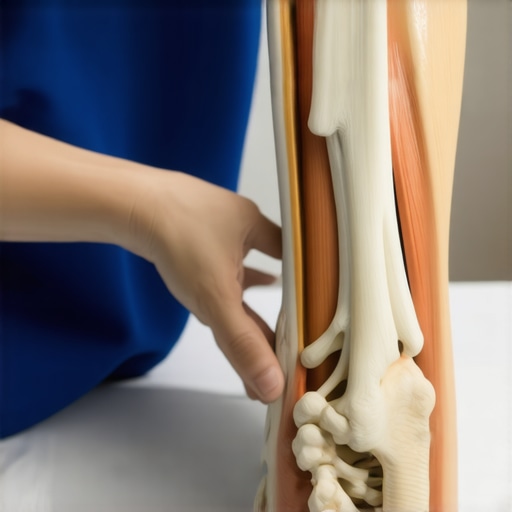
The truth about popping your own neck at your desk
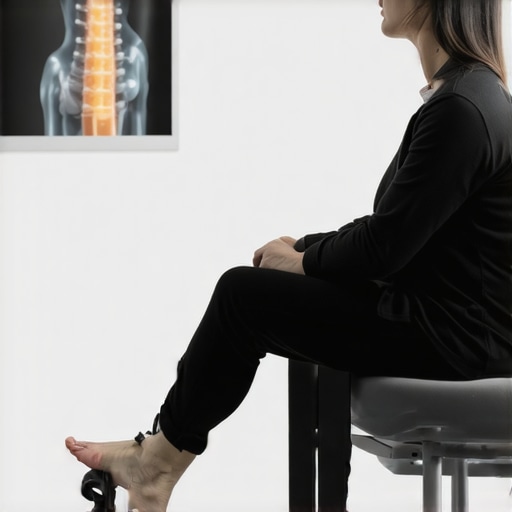
It happened again today. I was glued to my computer, feeling that unmistakable tension creeping up my neck, and without thinking, I cracked it myself — right there at my desk. That satisfying pop echoed loudly in my ears, momentarily relieving the tightness. But as the day wore on, I wondered: was that really the right move? Or was I just making a temporary fix that could backfire?
Why Popping Your Neck Might Be More Harmful Than You Think
Many of us, myself included in the past, have developed the habit of self-manipulating our necks. It’s quick, satisfying, and seems to grant instant relief. But here’s the thing — what feels good in the moment could be setting us up for bigger problems down the line. Actually, studies have shown that frequent neck cracking might be linked to increased joint instability and, over time, more persistent pain. I learned this the hard way when I ignored early signs of joint wear, thinking I just needed a quick crack. Turns out, I was rushing into a mistake I later regretted.
Have you ever experienced that fleeting relief only to find your neck feeling worse later? If so, you’re not alone. Many people fall into the trap of thinking that cracking their neck is a safe, quick fix. But the truth is, that habit might be masking deeper issues that require proper attention.
Is Neck Cracking Actually Dangerous? The Skeptic’s Question
Initially, I believed that if it felt good, it couldn’t be harmful. I thought I was just self-releasing built-up tension. But I quickly learned that not all cracks are created equal. Early on, I made the mistake of cracking my neck multiple times a day without understanding the potential risks — like ligament strain or joint misalignment. This misconception cost me more discomfort over time.
Understanding the difference between a safe adjustment and a harmful one is crucial. If you’ve been cracking your neck regularly, it might be worth considering alternative, safer ways to relieve tension — like guided chiropractic care or targeted exercises. For more insights on natural mobility enhancement, check out this resource on [enhance mobility naturally with chiropractic care](https://quackersspinal.com/enhance-mobility-naturally-with-chiropractic-care).
Now, let’s get into the practical steps to manage neck tension safely and effectively, so you can avoid the pitfalls I once fell into. Before that, ask yourself — have you been cracking your neck at your desk, thinking it’s harmless? If so, keep reading. The solution might be closer than you think.
Start With Gentle Mobilization
Begin by moving your neck slowly in all directions—forward, backward, and side to side—without forcing any movement. This helps assess your current flexibility and prepares your muscles for gentle stretches. I once spent a morning doing slow circles with my head, which surprisingly reduced initial stiffness. Always prioritize gentle, controlled movements over quick, jerky motions.
Incorporate Specific Stretching Techniques
Target muscles that contribute to neck tension, such as the upper traps and levator scapulae. Perform static stretches by tilting your head gently to each side and holding for 15-20 seconds. Avoid overstretching, which can worsen discomfort. I’ve found that consistent, mild stretches help maintain mobility without aggravation. For detailed guidance, check out these expert methods.
Practice Proper Posture Habits
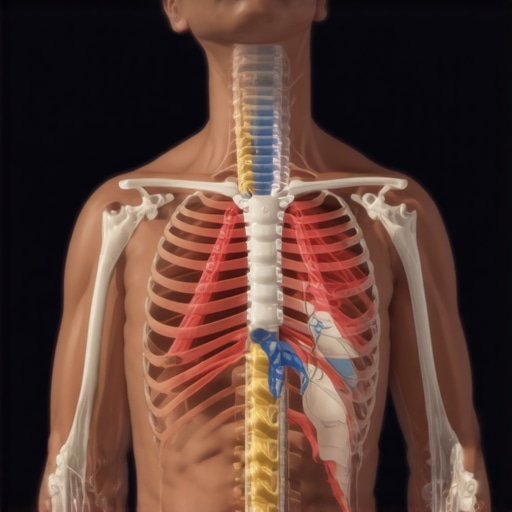
Align your monitor at eye level and sit with your back supported. An analogy I use is comparing your spine to a stack of books: keep everything level and straight to prevent leaning or hunching. I corrected my posture last week by adjusting my workspace, which noticeably reduced my neck strain after hours at the computer. Small tweaks like this make a big difference over time.
Introduce Controlled Breathing Exercises
Deep diaphragmatic breathing relaxes tense muscles and calms the nervous system. Try inhaling slowly through your nose for four seconds, hold briefly, then exhale fully for six seconds. I incorporated this during long reading sessions, and it instantly eased my tension. This technique is simple yet powerful: for more, see these breathing tips.
Apply Heat or Cold Therapy as Needed
Use a warm towel or heating pad on stiff areas to increase blood flow and relax muscles. Conversely, if swelling or inflammation occurs, ice can help reduce discomfort. I made a habit of applying heat during my work breaks, which provided immediate relief. Remember, avoid direct contact of extreme temperatures with your skin—use a cloth barrier for safety. This simple step supports your recovery process.
Seek Professional Guidance When Necessary
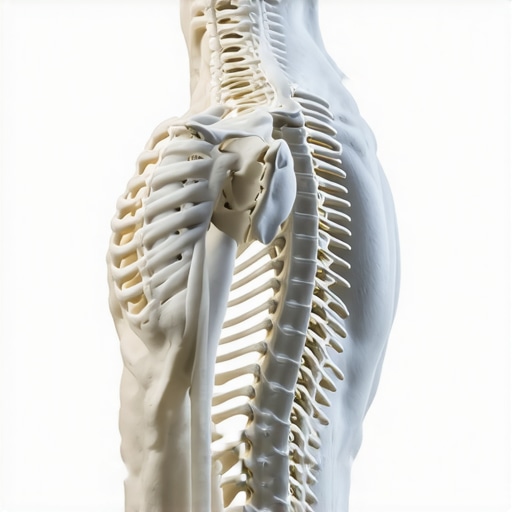
If tension persists or worsens, consulting a chiropractor can provide targeted adjustments. Think of your spine as a complex system—sometimes manual realignment is necessary to restore proper function. I visited a chiropractor after ignoring persistent pain; the adjustment felt like hitting the reset button for my neck. To find a trusted expert, consider reaching out through this contact page.
Many people believe that simply stretching or cracking their back provides a quick fix for pain or stiffness, but this overlooks a critical nuance. The common myth is that all joint sounds or stretches are beneficial—yet, in my experience, aggressive or habitual cracking may be masking deeper issues like joint instability or muscular imbalances. For example, repeatedly cracking your neck might give temporary relief but can lead to ligament weakening over time, increasing your risk for chronic problems. Studies have shown that over-manipulation can cause joint hypermobility, potentially accelerating degenerative changes.
Why does a quick crack sometimes do more harm than good for your spine?
Often, people dismiss the importance of proper spinal mechanics, thinking that a simple adjustment will resolve their pain. However, this approach ignores the complexity of spinal stability and compensatory patterns. A misaligned joint isn’t just a mechanical issue—it signals underlying muscular or neurological imbalances. Relying solely on cracking or quick fixes rather than addressing these root causes can lead to recurring pain and reduced mobility. In fact, whole-body chiropractic strategies focus on restoring coordination and strength, rather than just alleviating symptoms temporarily. To gain a deeper understanding, explore how effective chiropractic care can foster long-term mobility and pain relief by visiting this detailed guide.
Additionally, many individuals overlook the importance of nuanced movement patterns that sustain mobility. For example, simple habits like neglecting thoracic rotation or failing to strengthen core stabilizers can cause compensations in the neck or lower back. These subtle factors often dictate whether your pain resolves or persists. Therefore, adopting a comprehensive, movement-based approach rooted in biomechanical principles is key. Sometimes, the answer isn’t more cracking or stretching, but retraining your nervous system and motor patterns—something that only a knowledgeable chiropractor or physical therapist can facilitate. Have you ever fallen into this trap of thinking quick fixes are enough? Let me know in the comments.
Remember, true mobility gains come from understanding your body’s nuanced needs, not just masking discomfort with temporary relief. For advanced strategies that go beyond the surface, check out these proven chiropractic methods and consider reaching out for a professional assessment.
Maintaining spinal health over the long term requires more than just occasional stretches or visits to the chiropractor. It involves a toolkit of trusted resources and methods that I rely on daily. From ergonomic equipment to digital monitoring, these tools help me stay ahead of any emerging issues and ensure consistent mobility.
Ergonomic Workspace Setup
An adjustable standing desk has been a game-changer for me. It allows seamless switching between sitting and standing, reducing the strain that prolonged static positions can cause. I use a monitor arm to keep my screen at eye level, which aligns with the ergonomic guidelines I frequently review in this resource on chiropractic care. Moreover, an ergonomic keyboard and mouse maintain my wrist and shoulder health, preventing compensatory movements that could lead to neck pain.
Smart Posture Correctors
A posture trainer I personally use gently vibrates when I slouch or lean forward. It’s a subtle reminder to keep proper alignment, especially during long work sessions. Unlike traditional braces, which can be restrictive, this device fosters awareness and encourages habit formation. Over time, it has helped me develop better sitting habits naturally.
Mobility and Strength Tools
Resistance bands and small foam rollers are staples in my routine. I use resistance bands for targeted shoulder and back exercises that enhance muscular support around my spine. The foam roller helps release tension in tight muscles like the upper traps or pectorals, which can indirectly reduce neck and back discomfort. Incorporating these tools regularly aligns with the principles in chiropractic techniques for mobility.
Digital Monitoring and Education
Keeping an eye on my posture through periodic self-assessment tests, like the wall slide or the one-legged balance test, helps me identify emerging issues early. I’ve also subscribed to expert-led webinars and courses on natural mobility enhancement, which keep me informed on the latest techniques and research. Staying educated empowers me to adjust my routines proactively.
Future of Back and Neck Maintenance
Looking ahead, I predict wearable technology will become even more integrated into our daily health routines, providing real-time feedback on posture and muscle tension. Innovations like smart clothing and advanced biofeedback devices promise to make maintaining spinal health more intuitive and personalized.
How Do I Keep It Working Long Term?
The secret is consistency and adaptation. Incorporating these tools into daily habits—like using a standing desk, performing simple mobility drills with resistance bands, and monitoring posture—creates a resilient foundation. Regularly revisiting educational resources, such as this guide on chiropractic strategies, ensures my approach evolves with new insights. Remember, no single tool is a magic fix; it’s about integrating multiple strategies to safeguard your mobility and reduce pain over time. I encourage you to try out a resistance band workout this week or adjust your workspace for better ergonomics—small steps that yield big results.
Insider Wisdom That Changed My Perspective on Neck Cracking
– **Biggest Lesson:** I realized that habitual neck cracking isn’t a harmless habit but a signal that my spinal mechanics and muscular support needed attention. Ignoring it only worsened my discomfort over time.
– **Surprising Fact:** I discovered that gentle, guided mobilization and targeted exercises can be far more effective than quick self-manipulation tricks, which often mask underlying issues.
– **Personal Discovery:** Committing to proper posture and routine mobility work transformed how I manage tension, proving that sustained effort trumps temporary relief.
My Go-To Resources for Lasting Neck and Back Relief
– Comprehensive chiropractic care guides — I trust these for understanding the root causes and long-term solutions.
– Wellness expert insights — They help me stay informed about safe practices and avoid harmful habits.
– Natural mobility techniques — These are my go-to for gentle, effective movement strategies that support spinal health.
– Expert tips for neck relief — Trusted advice that’s kept me pain-free and mobile over the years.
Your Path to Empowered Movement Starts Now
Remember, true relief comes from understanding your body’s unique needs and building habits that support long-term health. You don’t have to settle for fleeting fixes; with the right tools and knowledge, you can reclaim your mobility and avoid the pitfalls of habitual neck cracking. Start small—incorporate gentle stretches, pay attention to posture, and consider seeking professional guidance to address underlying issues. Your neck and spine deserve consistent care—taking action today can lead to a healthier, more pain-free tomorrow.
What’s one step you’re willing to try this week to improve your neck and spinal health? Share your thoughts below—I’d love to hear your journey towards better mobility!
,