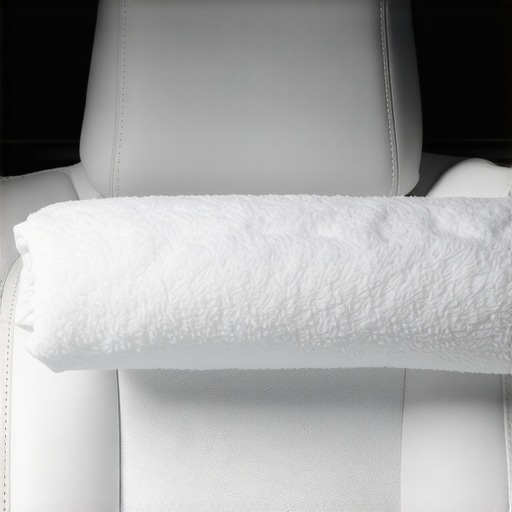
How to use a lumbar roll without making your back stiffer
Have you ever felt that jolt of discomfort when you sit down with a lumbar roll, only to realize later that your back feels even more rigid and tense? I remember the lightbulb moment when I first tried using one during a long day at my desk. Instead of easing my discomfort, I ended up feeling like I had added a brick to my lower back. It was frustrating, and honestly, a bit disheartening.
Why Using a Lumbar Roll Can Sometimes Make Things Worse
Here’s the deal: lumbar rolls are designed to support your lower back’s natural curve, but if not used correctly, they can inadvertently tighten your muscles and ligaments instead of helping them relax. I made a common mistake early on — pushing the roll too high or too tight, thinking more support is better. But that only led to increased stiffness and discomfort. Over time, I discovered that subtle adjustments and proper technique can make all the difference. If you’re struggling with back stiffness after using a lumbar roll, you’re not alone. Experts say that poor positioning can cause more harm than good, especially if your muscles are already tight or if you have underlying spinal issues.
Is Lumbar Support Really Worth the Hype?
I used to think that every support device, including lumbar rolls, was a magical fix. Turns out, I was making a critical mistake — oversupporting and neglecting my body’s natural cues. Trust me, just because something is recommended doesn’t mean it works for everyone without a personalized approach. If you’ve faced similar frustrations, don’t worry. We’re going to explore practical, evidence-based tips to harness the true potential of lumbar support without the stiffness. Ready to transform how you experience lumbar support? Let’s dive in and get it right from the start.
Adjust Your Lumbar Support With Precision
Recall the time I struggled to find the right height for my lumbar roll. I started by sitting upright and placing the support behind my lower back, then leaning back slightly to feel the support contouring to my lumbar curve. Initially, I pushed the support too high, which caused my upper back to stiffen. Instead, I gradually lowered it until I felt gentle contact without overextending my muscles. This fine-tuning is crucial; aim for a support position that matches the natural lumbar lordosis. For detailed guidance, check out this resource on chiropractic hacks.
Find Your Perfect Tension
Start with a Moderate Fit
When I first tried tightening my lumbar roll, I used a harsh approach—thinking that more support equated to better relief. But I discovered that overly tight rolls restrict movement and increase muscle tension. Instead, I adjusted the tension until there was firm contact but no discomfort or restriction of movement. Think of it like tuning a musical instrument—small adjustments make a big difference.
Test and Tweak Throughout the Day
Throughout my workday, I kept monitoring my back’s response. If I noticed increased stiffness, I loosened the support slightly. If my muscles felt unsupported, I tightened it just a tad. This dynamic adjustment prevents the support from becoming a source of tension and ensures it aids natural movement. To understand more about spinal health, visit this article.
Position the Support Strategically
The placement of the lumbar support is critical. I used to put it too high, pressing against my mid-back, which led to a forward tilt and muscle strain. Instead, I positioned it just above the belt line, supporting the low back’s natural curve. Imagine balancing a coin on your finger—the right placement keeps everything stable. When properly placed, the support encourages proper posture and reduces stress on spinal structures. For practical tips, explore this guide.
Integrate Movement and Support for lasting relief
Support alone isn’t enough; combining it with mobility exercises maintains flexibility. I incorporated short gentle stretches after sitting for prolonged periods, such as pelvic tilts and lumbar rotations. This approach prevents muscles from becoming too tight and supports spinal health. Think of your back as a rubber band—regular stretching keeps it elastic and resilient. For routines tailored to back mobility, visit this resource.
Practice Consistency and Awareness
Consistency in adjusting and using your lumbar support is key. I set reminders to check my posture and support position throughout the day. Awareness of how your back responds enables fine-tuning, preventing stiffness from becoming chronic. Remember, small, deliberate habits shape long-term spinal health. To deepen your understanding of spinal mechanics, see this article.
Many believe that rest and some gentle stretches are enough to resolve chronic neck and back discomfort, but as an expert in spinal health, I can tell you that this is a misconception that can delay proper treatment. A common myth is that pain always signals severe injury, leading people to guesswork rather than seeking informed care. However, pain often results from poor movement patterns or subtle muscular imbalances that go unnoticed without professional assessment. One crucial nuance missed by many is that quick fixes – such as random stretching or using support devices without proper guidance – can sometimes exacerbate problems rather than solve them. For advanced readers wondering about the mechanics, studies have shown that correcting movement dysfunctions—rather than merely reducing symptoms—leads to long-term relief. For example, addressing glute weakness and pelvic stability has proven more effective than simply applying heat or icing, which often treats symptoms temporarily. Don’t fall into the trap of thinking all pain is equal; understanding the root cause is key to lasting recovery. Look into chiropractic insights that reveal how subtle misalignments and motor control issues contribute to persistent discomfort. Additionally, many practitioners overlook how mobility restrictions in the thoracic spine can create compensatory strain, leading to neck pain. Regular mobility training specifically targeting the mid-back can dramatically improve posture and reduce tension, as detailed here. Remember, superficial solutions rarely tackle the complexity of spinal issues. Failing to identify and correct movement patterns not only prolongs pain but can cause worsening degeneration over time. Be cautious of quick fixes that don’t address the underlying dysfunction—true progress requires nuanced assessment and tailored strategies. Let me leave you with this takeaway: the hidden nuance in spinal health is that the quality of movement matters more than the amount of pain. Have you ever fallen into this trap? Let me know in the comments.
Keeping It Working: Tools That Make a Difference
Maintaining a healthy spine isn’t a one-and-done deal; it requires consistent effort, smart tools, and an understanding of what actually works. Over the years, I’ve refined my toolkit to include specific equipment and methods that I personally rely on to keep mobility high and discomfort at bay. Whether it’s supporting posture at my workspace or targeting tight muscles after a long day, choosing the right tools can make a significant difference in long-term results.
One of my go-to pieces of equipment is the foam roller. But not all foam rollers are created equal. I prefer rigid, dense foam rollers because they provide better myofascial release and help loosen tight muscles that contribute to back and neck pain. I always ensure to roll slowly and focus on areas like the thoracic spine and hips, which are often neglected but crucial for overall mobility.
In addition, I incorporate therapeutic massage tools such as handheld percussion massagers. I find them especially effective for breaking up knots in the neck and upper back—areas where tension tends to accumulate from daily stress and poor posture. Devices like the Theragun or Hypervolt have customizable speed settings, which I use to gently stimulate my muscles without overdoing it. Regular self-massage sessions help maintain tissue flexibility and prevent chronic tightness.
For posture monitoring and training, I rely on smart posture trainers like the Upright GO. These wearable devices provide real-time feedback, alerting me when I slouch or adopt poor positions during work or leisure. It’s a game-changer because awareness alone often isn’t enough; you need a gentle nudge to build better habits. As studies show, consistent posture training can significantly impact neck and back health over time, especially when integrated with mobility routines.
When it comes to digital tools, I use applications like mobility tracking apps to record progress and set reminders for stretching or movement breaks. Keeping track fosters accountability and helps in adjusting routines to suit evolving needs. In the future, I predict that AI-powered monitoring will become even more personalized, providing tailored exercises and real-time adjustments, which could be a revolution in managing chronic pain.
How Do I Maintain My Progress Over Time?
The key to long-term success with these tools is consistency. I schedule daily sessions with my foam roller and massage tools, and I make a point to wear my posture monitor during work hours to reinforce good habits. Remember, tools alone are not enough; pairing them with regular mobility exercises—like the simple movements found here—amplifies their benefit. Also, staying connected with a knowledgeable chiropractor who understands your specific needs can guide your tool use and help avoid pitfalls like overdoing simple routines or neglecting critical areas. For deep insights into personalized strategies, check out this resource. Now, I challenge you to pick one of these tools—maybe the posture trainer or foam roller—and commit to integrating it into your daily routine. Small steps lead to big changes over time.
The Hidden Wisdom Behind Personalized Support Strategies
One of the most profound lessons I learned is that there’s no one-size-fits-all answer when it comes to lumbar support. Early on, I believed that a firm, universal approach would help everyone equally. However, through much trial and error, I discovered that tuning support to my body’s unique shape and movement habits was critical. This personal insight transformed my experience, reminding me that intuitive adjustments often outperform rigid rules. For example, aligning support height with my natural lumbar curve, rather than standard recommendations, made all the difference. Embracing this mindset of individualized care helped me achieve sustained relief and empowered me to listen better to my body’s signals.