Why you should never sit with your legs crossed for too long
I remember the day I first felt that sharp twinge in my lower back after a long afternoon of sitting with my legs crossed. It started as a pesky discomfort, but soon enough, it turned into a persistent ache that refused to go away. I was blindsided—how could a simple posture change cause so much pain? That lightbulb moment made me realize that some habits, even ones we consider innocent, can silently sabotage our spinal health.
Why Sitting Cross-Legged Might Be More Harmful Than You Think
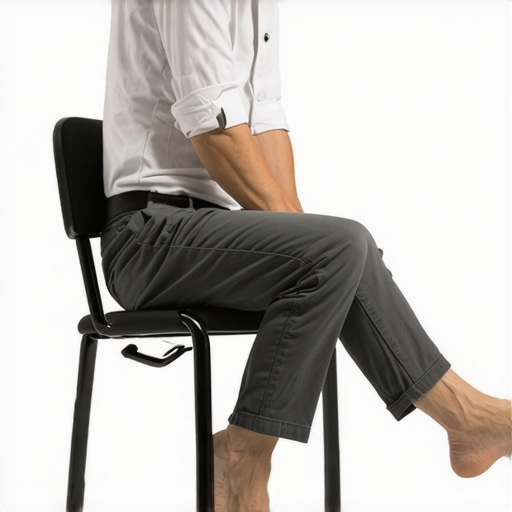
Our bodies are designed for movement, not prolonged static positions. Sitting with your legs crossed might seem harmless, but it often leads to uneven pressure distribution across your hips and pelvis. Over time, this imbalance can cause misalignments that ripple up your spine, leading to neck pain, headaches, or even nerve compression. Believe it or not, studies show that sustained cross-legged sitting can contribute to asymmetrical muscle tension, which might explain why some people develop chronic discomfort after hours of this habit. For me, early on, I made the mistake of dismissing this posture as minor—I thought slouching was the real problem. Later, I learned that crossing my legs was quietly worsening my alignment. If you’re wondering whether this is a concern for you, I invite you to reflect on your sitting habits. Do you tend to keep your legs crossed for extended periods? Have you experienced nagging back or neck pain that pops up after a workday? These signs might be more connected than you realize. To better understand how posture impacts mobility and pain, check out our detailed guide on understanding back pain and improving your posture. As I continued to experiment with different sitting strategies, I discovered simple yet effective adjustments that made a world of difference. So, in the upcoming sections, I’ll share practical tips to help you break free from habits that might be silently causing discomfort and improve your overall mobility.
Begin with Precise Postural Adjustments
Start by setting up your workspace to promote better alignment. Adjust your chair height so your feet are flat on the ground and your knees are roughly level with your hips. Use a lumbar roll or a small pillow behind your lower back to maintain its natural curve. This simple tweak can prevent your pelvis from tilting forward, which often leads to tight hip flexors and lower back strain. I recall manually placing a rolled-up towel during a busy workday, which instantly alleviated my discomfort and reminded me how small changes have mighty benefits.
Incorporate Micro-Movements into Your Routine
Integrate quick, deliberate movements throughout your day to keep your spine fluid. For example, every 30 minutes, stand up and perform pelvic tilts by arching and rounding your lower back slowly. This resets your lumbar position and prevents stiffness. During one hectic afternoon, I set a timer and committed to ten pelvic tilts. Not only did it reduce my tension, but I also noticed my posture improved instinctively over the following days. These micro-movements act like lubricants for a squeaky machine—small but essential.
Practice Targeted Flexibility Exercises
Stretching tight muscles is vital, but focus on strategic areas like hip flexors, hamstrings, and upper back. The hip flexor stretch can loosen the front of your thighs, which often pulls your pelvis out of alignment. When I noticed persistent lower back tightness, I dedicated five minutes daily to a kneeling lunge stretch. Initially awkward and a bit messy, consistent practice brought noticeable relief within a week, making everyday movement smoother.
Engage in Simple Strengthening Techniques
Strengthening your core and back muscles offers support that prevents injury and enhances mobility. The bird-dog exercise is excellent for stability without risking overexertion. I once tried to skip this step, thinking it was optional, but felt my back become more vulnerable after a weekend of inactivity. Incorporating controlled, deliberate reps fortified my lumbar support, similar to how braces stabilize a cracked wall.
Manage Load and Movement Patterns
Be mindful of how you lift, carry, or sit. Use your legs—not your back—when picking up heavy objects, and avoid twisting motions. For extended periods of sitting, switch positions or perform seated stretches. Remember, habits like crossing your legs can create asymmetries similar to uneven wear on tires—wearing out your body’s components prematurely. I learned this firsthand when I noticed my left hip was tighter after weeks of a habitual cross-legged sitting posture, prompting me to consciously shift my sitting style.
Utilize Breathing to Enhance Mobility
Deep diaphragmatic breathing helps relax tense muscles and improves spinal flexibility. Place one hand on your chest and another on your belly. Inhale deeply through your nose, aiming to expand your belly rather than your chest. This increases oxygen flow and stimulates movement in your thoracic spine. I adopted breathing exercises during my daily stretches, which not only alleviated stiffness but also added a calming effect—making mobility work feel less like a chore and more like a reset for my entire system.
Many people believe that back pain is solely about muscle strain or a single injury, but the reality is far more nuanced. A common misconception is that rest is always the best cure, when in fact, prolonged inactivity can weaken supportive muscles, making pain worse over time. Another myth is that chiropractic adjustments provide instant relief, but without understanding the underlying movement patterns, these benefits may be short-lived or even counterproductive if misapplied.
Why Do Some Back Pain Treatments Fail Long-Term?
Research shows that focusing only on symptom relief without addressing mobility issues and lifestyle habits often leads to recurrence. For example, relying solely on physical therapy sessions without incorporating daily movement routines or ergonomic adjustments can trap individuals in a cycle of temporary relief. Experts like Dr. Stuart McGill emphasize that understanding the interplay between spinal stability and movement variability is key to sustainable recovery (read more about back pain and mobility here). Beware of the trap where patients believe stretching is always beneficial—many overstretch tight muscles without considering root causes like joint stiffness or motor control deficits, potentially exacerbating issues. Instead, targeted strengthening and mobility exercises, focusing on stability and proper movement patterns, yield lasting results.
Moreover, many underestimate the importance of neuroplasticity—the brain’s ability to relearn optimal movement strategies. Incorporating mindful movement practices and neural retraining can dramatically improve outcomes. For example, practicing controlled, deliberate movement sequences can retrain poor habits ingrained from years of compensation.
In the realm of neck pain, a similar fallacy persists: that regularly cracking the neck relieves tension. However, research indicates that habitual cracking may desensitize joint receptors and lead to increased stiffness or even joint damage over time (discover more about neck and back solutions). The key is restoring proper joint mobility through precise muscle activation rather than relying on immediate but temporary fixes.
Advanced understanding shows that true mobility depends on the integration of joint health, muscular support, and neural control. Addressing only one aspect can lead to incomplete or fleeting improvements. Incorporate functional movement assessments and personalized corrective strategies to break free from these myths. If you’re serious about improving your spinal health, I recommend exploring comprehensive approaches like those outlined in our guides on restoring your back mobility.
Investing in the Right Equipment for Long-Term Spinal Health
To truly maintain the progress you’ve made in improving mobility and reducing pain, having reliable tools is crucial. I personally rely on a high-quality foam roller, specifically a 36-inch firm model, which allows me to target tight areas like the thoracic and lumbar regions effectively. Unlike softer rollers, this density provides sufficient resistance to release chronic fascia restrictions without causing discomfort. Incorporating my foam roller into daily routines helps prevent stiffness and maintains my flexibility, especially after long periods of desk work. Additionally, I use a lumbar support pillow designed with adjustable firmness, enabling customized support during prolonged sitting sessions. The right support prevents pelvic tilt and lumbar strain, playing a significant role in long-term pain prevention.
Beyond physical tools, there are software solutions that aid in tracking and maintaining mobility. For instance, I utilize an app that guides me through daily mobility screens and corrective exercises. It prompts me to perform specific movements, like hip openers or thoracic rotations, which keep my joints lubricated and muscles balanced. Regularly reviewing these movement logs motivates me to stay consistent and adjusts my regimen as needed.
Creating a Maintenance Routine That Stands the Test of Time
Establishing a sustainable routine involves integrating these tools seamlessly into daily life. I recommend dedicating just 10-15 minutes each morning for mobility drills using your foam roller and targeted stretches for tight areas like hip flexors or neck muscles. Consistency is key, and over time, these small investments compound to produce significant benefits. It’s also essential to listen to your body; if you notice increased discomfort, review your technique and consult with a chiropractor for personalized assessments. Their expertise can help tailor your maintenance plan and introduce you to techniques like gentle spinal mobilizations that complement your tools.
Predicting the Future of Mobility Maintenance
Advancements in wearable technology are likely to revolutionize how we maintain spinal health. Devices that monitor posture and movement patterns in real-time can provide immediate feedback, helping us correct poor habits before they cause pain. The integration of AI-driven coaching apps will tailor routines based on individual biomechanics, making maintenance highly personalized and accessible. These innovations will empower users to take control over their mobility, reducing dependence on reactive treatments such as adjustments or therapy after pain episodes.
How Do I Keep My Mobility Practices Effective Over Time?
The secret lies in variation and ongoing assessment. Rotate your exercises to target different muscle groups and prevent adaptation, which can diminish effectiveness. Regularly reviewing your progress and making adjustments ensures that your routines continue to challenge and benefit your body. For example, experimenting with new stretches or mobility devices can prevent plateaus. Consulting with experts periodically, such as your chiropractor, can help refine your approach and introduce advanced techniques like mobility mosaics—a concept blending different movement strategies for comprehensive health. Remember, the goal is to keep your body responsive and resilient, so never settle into a static routine.
For more detailed guidance on maintaining mobility, check out our mobility mastery tips. And to explore how modern tools can enhance your prospects, consider trying a guided app that offers daily movement prompts tailored to your needs. Start integrating these practices today and feel the long-term difference in your spinal health.

In my journey to better spinal health, I’ve uncovered lessons that often go unnoticed but make all the difference. The most profound insight was realizing that many of us chase quick fixes while overlooking the small, impactful habits ingrained in our daily routines. For example, I used to dismiss discomfort as just part of aging, only to discover that subtle habits like inconsistent posture and neglecting targeted mobility exercises silently erode our back health over time. Recognizing the importance of fine-tuning daily movement patterns was a game-changer, highlighting that sustainable change comes from mindful adjustments rather than temporary relief. Moreover, I learned that understanding the interconnectedness of the entire musculoskeletal system—such as how tight calves influence your lower back—can unlock new avenues for relief you might never have considered. These lightbulb moments underscore the value of paying attention to the nuances behind back pain and spinal health, empowering you to take control rather than feel at the mercy of pain.
My Essential Toolkit for Lasting Back Mobility
Over years of experience, I’ve come to trust a few key tools that truly support ongoing spinal health. The chiropractic techniques I incorporate regularly have been pivotal in maintaining alignment and flexibility. A high-quality foam roller, specifically the 36-inch firm model, allows me to release fascia restrictions effectively and prevent stiffness. I also rely on a smart mobility app that guides me through daily routines tailored to my needs, ensuring consistency without overwhelm. Books like “Mobilize Your Spine” transformed my understanding of movement, emphasizing that personalized care is key. Each of these tools holds personal significance because they’ve consistently helped me stay active, pain-free, and resilient—lessons I passionately recommend you explore.
Ignite Your Passion for Change
Remember, your path to improved mobility and back health begins with a single step. Don’t underestimate the power of small, intentional adjustments—whether it’s performing micro-movements during your workday or integrating targeted stretches into your morning routine. You’re capable of reclaiming control and preventing future discomfort; all it takes is commitment and curiosity. By embracing the lessons shared here, you’re setting the stage for a healthier, more mobile life. Your future self will thank you for taking these proactive steps today, transforming movement from a source of pain to a source of vitality.
What is the one habit you’re willing to change right now to support your back health? Share below—I’d love to hear your plans and cheer you on!