The ‘Couch Stretch’ that fixes your desk-worker hip tension
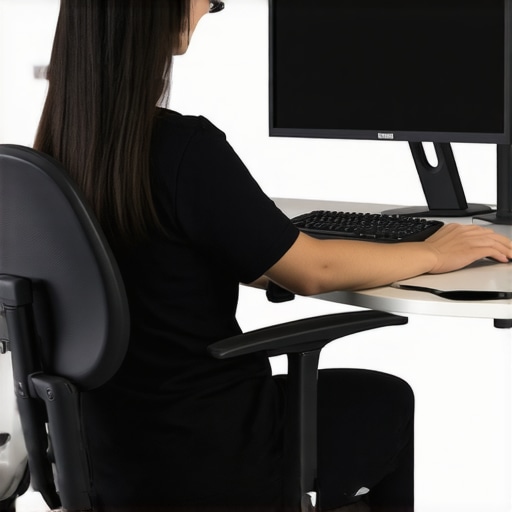
It was one of those afternoons when I finally took a moment to breathe, but instead of relief, my hips screamed at me from sitting too long. That familiar tightness had been building for weeks, creeping into my lower back and making every movement feel stiff and awkward. It hit me then—I’ve been neglecting an essential part of my mobility, and I needed to act fast. If you’ve ever felt that persistent hip tension after a long day at your desk or noticed a nagging discomfort creeping into your hips and lower back, you’re not alone. Many desk workers unknowingly suffer from this silent discomfort, often ignoring it until it becomes a real pain in the… well, hips. Today, I want to share how I cracked the code—and how you can do the same—by using a simple yet incredibly effective stretch: the Couch Stretch. My goal is to help you understand why this movement is a game-changer for desk-bound folks like us, and how it can restore your mobility, reduce that stubborn hip tension, and bring long-overdue relief to your daily routine.
The Stubborn Hip Tension That Won’t Quit
Have you ever stretched, rolled, and manipulated your hips, only to feel like you’re spinning your wheels? I’ve been there. Early on, I made the mistake of thinking that doing endless stretches or ignoring the problem entirely would solve it. Spoiler: that only made things worse. What I realized is that our sedentary lifestyles can cause hip flexors to tighten up, pulling on the pelvis and creating a domino effect that impacts our entire spine. According to experts, tight hip flexors contribute significantly to lower back pain and limited mobility—issues that many desk workers struggle with daily. Regularly neglecting these tight muscles can lead to chronic discomfort and even long-term postural problems. That’s why I turned to the Couch Stretch—a movement I once dismissed as overly complicated or even risky. Once I learned how to do it properly, it became my secret weapon against hip tension. Curious how I discovered this gem? Stick around. I’ll walk you through exactly how it worked for me, and how it can do the same for you.
Get Into Position Quickly and Safely
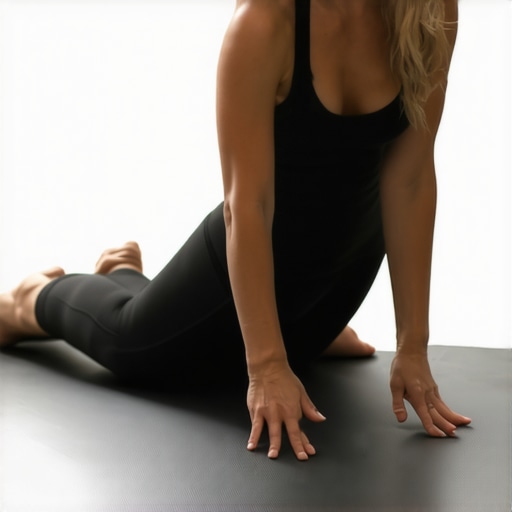
Start by kneeling on a comfortable surface, like a soft yoga mat or carpet. Place one foot in front of you, knee bent at about 90 degrees, and extend the other leg behind you, keeping the knee and top of the foot flat on the ground. Think of this as setting the foundation of your mobility bridge—stability is key. I recall my first attempt; I wobbled and nearly fell forward, but I adjusted by holding onto a sturdy chair for balance, which prevented unnecessary strain. This initial instability is normal; focus on comfort and control.
Align Properly to Maximize Benefits
Ensure your hips are squared and facing forward—don’t let one side rotate outward. Engage your core slightly to support your pelvis. The back leg should be relaxed, and your hips should gently sink downward. This alignment targets tight hip flexors effectively. I once rushed through this step, and the stretch didn’t feel right—so I paused, rechecked my posture, and gradually increased the stretch over time. Proper positioning will prevent overstretching or discomfort, making this move safe and effective.
Incrementally Increase the Stretch Intensity
Hold the position for 20-30 seconds initially, breathing deeply. As your flexibility improves, gradually extend the duration to 60 seconds. Think of this as slowly tuning a musical instrument—you want patience and precision. During my first sessions, I felt a strong pull, but I resisted the urge to push too hard. Instead, I eased into a comfortable stretch, which kept discomfort at bay. Consistency is vital: perform this stretch 3-4 times per session, 3-4 times a week.
Incorporate Gentle Movements for Greater Mobility
After holding static positions, add gentle rocking motions—shifting your hips slightly forward and backward—like nudging a stubborn door open. This dynamic approach enhances blood flow and loosens the muscles further. I remember spending extra minutes doing these little movements, and noticing the difference in reduced tightness the next day. Do not force exaggerated movements; keep them gentle and within your comfort zone.
Integrate Into Daily Routine without Hassle
Timing is flexible—perform this stretch during work breaks, after workouts, or as part of your morning routine. Remember, consistency beats intensity. I started with just two minutes daily, and over weeks, my hips relaxed significantly. Use reminders or set alarms to build this habit, much like brushing your teeth—an essential part of your mobility maintenance. If you experience persistent discomfort or need tailored advice, consider consulting professionals who can guide you, such as expert chiropractors—more on that here.
Many people believe that back pain results solely from muscle strain or injury, leading them to focus exclusively on muscle stretching or rest. However, **this oversimplification often ignores the complex interplay of spinal alignment, nerve function, and even psychological factors**. For instance, a common myth suggests that cracking your back or neck provides permanent relief—a belief that can lead to excessive self-manipulation and potential injury, as highlighted in studies like those from the *Journal of Manipulative and Physiological Therapeutics*. Instead, proper chiropractic intervention focuses on restoring spinal biomechanics gently and safely, emphasizing long-term solutions over quick fixes.
What’s the trap in thinking only symptomatic relief is enough for back issues?
One widespread mistake is treating pain symptoms without addressing the underlying functional deficiencies. While pain relief is essential, neglecting the biomechanics—like pelvic tilt, muscle imbalances, or joint restrictions—can lead to recurrent problems. For example, **focusing solely on stretching tight muscles without strengthening weak stabilizers may offer temporary relief but worsen posture over time**. This is why integrating mobility work, such as targeted chiropractic adjustments combined with functional exercises, has proven to be more effective for sustainable recovery. For in-depth insights, exploring [chiropractic secrets to regain full mobility after injury](https://quackersspinal.com/chiropractic-secrets-to-regain-full-mobility-after-injury) can be enlightening.
Another misconception is that neck or back pain always results from structural issues—when in fact, *neuromuscular* factors often play a significant role. Chronic pain can persist even after structural problems have been resolved if the nervous system remains sensitized. According to Dr. David Levine, a well-respected chiropractor, **the nervous system’s role is frequently underestimated in pain management**. This underscores the importance of a holistic approach, including education, posture correction, and nervous system health, which are often overlooked.
Are you aware that many individuals unknowingly compound their back pain by poor habits? For example, maintaining prolonged flexed neck positions at the desk—known as “forward head posture”—can strain the cervical spine and nerves, worsening pain. Many fall into the trap of ignoring these postural habits, which can only be fixed through conscious correction and professional guidance. A comprehensive assessment by a trained chiropractor can reveal these hidden contributors and set you on a path to lasting relief. To ensure you’re not missing critical aspects of your recovery, consider reading [the hidden link between neck pain and spinal health](https://quackersspinal.com/the-hidden-link-between-neck-pain-and-spinal-health).
Now, I want to hear from you: Have you ever fallen into this trap of focusing only on pain relief? Drop your experience in the comments and let’s discuss how to break free from these common misconceptions.Maintaining your back and neck health over time requires the right tools, consistent routine, and a proactive mindset. One of my favorite investments has been a high-quality foam roller and a set of resistance bands. The foam roller, specifically a firm, textured model, helps me target deep muscle knots and improve my tissue mobility. I use it daily to roll out tight areas like the upper back and hips, which are common trouble spots for those who sit for long hours. Resistance bands are invaluable for strengthening stabilizer muscles, especially around the shoulders and pelvis, helping prevent imbalances that can lead to pain or injury. I choose bands with different resistance levels, so I can progressively challenge myself as my mobility improves.
How do I keep my mobility routines effective over time?
Regularly updating your tools and exercises is key. As your strength and flexibility evolve, so should your approach. Incorporating a digital app that offers guided mobility sessions, like “Mobility Master,” can keep your routines fresh and engaging. These apps often feature progress tracking, which motivates consistency. I recommend scheduling dedicated mobility sessions at the same time each day—either in the morning to start your day right or during breaks to reset your posture. Over the years, I’ve noticed that a combination of foam rolling, targeted stretches, and strengthening exercises creates a resilient foundation that reduces flare-ups of pain and enhances overall movement.
Looking ahead, I believe that wearable technology will play an even larger role in maintaining spinal health. Devices that monitor posture and provide real-time feedback can give you insights into how you sit and move during daily activities—like the new posture sensors from “PostureTrack”. These innovations can help you make immediate corrections, preventing bad habits from taking root. For example, wearing a discreet posture sensor during work hours has helped me stay conscious of my neck alignment, which directly impacts headache frequency and severity.
To truly solidify your gains, integrating a professional component remains essential. A periodic check-in with a chiropractor can identify subtle shifts in spinal alignment that might not be apparent through self-assessment. They can customize adjustments and prescribe specific mobility or strengthening protocols tailored to your needs. For those interested, exploring comprehensive approaches, such as the strategies outlined in [this article on chiropractic techniques for sustained mobility](https://quackersspinal.com/chiropractic-secrets-to-boost-neck-coform-and-function), can provide valuable guidance.
Remember, the goal isn’t just short-term relief but creating a sustainable system that keeps you moving freely for years to come. I highly recommend trying the method of combining foam rolling with resistance bands—it’s a game-changer—and staying consistent. Starting today, dedicate five minutes to these tools, and gradually increase as you notice improvements. Maintaining your mobility isn’t complicated, but it does require deliberate action and the right equipment. For personalized advice or specific concerns, don’t hesitate to reach out through [our contact page](https://quackersspinal.com/contact-us-2). Your future self will thank you for taking proactive steps now.Throughout my journey with hip tightness, I discovered that real progress often comes from unexpected realizations. One of the most illuminating lessons was understanding that quick fixes—like fleeting stretches or momentary adjustments—rarely lead to lasting change. True mobility requires patience, consistency, and addressing the root causes—whether that’s muscle imbalances, poor posture, or nervous system influences. I also learned that mindfulness during exercises amplifies their benefits; simply going through the motions isn’t enough—engaging consciously with each movement makes all the difference. Another insight was recognizing that integrating professional guidance with self-care practices accelerates healing, especially when dealing with stubborn tension. These lessons have reshaped my approach from reactive to proactive, highlighting that lasting relief stems from a well-informed, persistent commitment—a principle I believe everyone committed to better spinal health should embrace.