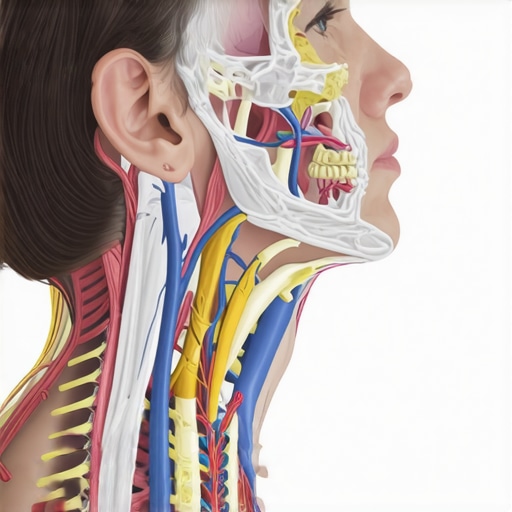
How to tell if your dizziness is coming from your neck
It started with a simple turn of my head during a morning stretch, and suddenly, I felt that familiar wave of dizziness washing over me. At first, I brushed it off as fatigue or dehydration. But as days went on, the episodes became more frequent, more intense. I was frustrated, confused. Could my neck really be the culprit behind this unsettling dizziness?
How I Learned to Listen to My Body and Discover the Cause
For a long time, I dismissed these symptoms, thinking they were unrelated to my neck pain or posture issues. That was until I stumbled upon some eye-opening research indicating that cervical spine problems can directly influence balance and dizziness. In fact, a study published in the Journal of Otology & Neurotology found that up to 30% of dizziness cases could be linked to cervical spine dysfunction. This was a game-changer for me, illuminating the importance of understanding my body’s signals and how they relate to spinal health.
Is Neck-Related Dizziness Actually Worth the Hype?
Early on, I made the mistake of assuming that dizziness was always tied to inner ear issues or low blood pressure. I overlooked how my posture, muscle tension, and even subtle spinal misalignments might be at play. That oversight delayed my progress and led to unnecessary frustration. It’s essential to approach these symptoms holistically, recognizing that your neck could be silently influencing your balance and clarity. If you’ve ever wondered whether your dizziness could originate from your neck, you’re not alone—and uncovering this link might just be the turning point in your journey toward relief.
If you’re experiencing similar episodes, I encourage you to evaluate your posture and consider a professional assessment. Sometimes, simple changes can make a world of difference. For effective strategies, check out these expert methods to relieve neck discomfort or learn how chiropractic care can help restore your balance and mobility.
Stay tuned, because in the next section, I’ll share practical tips to identify whether your dizziness stems from your neck and what you can do about it.
.
Test Your Posture and Movement Patterns
Begin with a simple assessment of your daily habits. Sit comfortably and observe how your neck feels after a few minutes. Do you notice tension or limited movement? To get a clearer picture, perform the 3-second pelvic reset—lie on your back, gently tilt your pelvis, and note any relief or persistence of symptoms. This quick check helps identify if misalignments contribute to your imbalance.
Introduce Targeted Mobility Exercises
Incorporate simple mobility drills, like controlled neck tilts and rotations, to enhance joint health. During a messy attempt at neck circles, I found that moving slowly and within pain-free ranges made a difference. Use visual cues from chiropractic care benefits to guide safe practice. These exercises loosen stiff areas, fostering better circulation and nerve function.
Example: Gentle Neck Rotations
Start seated, slowly turn your head to one side, hold for two seconds, then return. Repeat on the other side. Perform 10 reps, and focus on smooth, controlled movements. This practice helps restore range of motion, especially if you’ve been compensating with your shoulders or upper back.
Adjust Your Daily Ergonomics
Many neck issues stem from prolonged poor posture. Evaluate your workspace—raise your monitor to eye level and use an ergonomic chair with proper lumbar support. I made a quick change by adjusting my desk height before a shift, noticing immediate relief in neck strain. For more detailed guidance, explore chiropractic tips for neck relief. Small ergonomic tweaks can prevent tension build-up and improve spinal alignment over time.
Implement Strengthening and Stabilizing Habits
Strengthen supporting muscles with targeted exercises like the wall slide or shoulder blade squeezes. I added these into my routine after a hectic day, and noticed a decrease in neck discomfort and better posture. Building resilience in neck and upper back muscles stabilizes your cervical spine, reducing dizziness linked to poor alignment.
Use Breathing Techniques for Spinal Relief
Deep diaphragmatic breathing reduces tension in the neck and shoulders. During moments of tightness, I diaphragmatically breathed for 30 seconds, feeling the tension melt away. This approach is simple but effective, and aligns with breathing exercises for spinal health. Consistent practice helps maintain a relaxed neck and promotes overall mobility.
Many believe that chiropractic care is solely about quick fixes—cracking a few joints and feeling relief. However, this misconception often leads to ineffective treatment and frustration. In reality, the nuance lies in understanding that genuine spinal health involves a complex interplay of soft tissues, joint mobility, and neurological factors. For example, focusing only on adjustments without addressing muscular imbalances can lead to recurring issues. Expert insights, like those from Dr. Michael S. Milardi, emphasize that successful long-term recovery hinges on integrating movement, posture correction, and personalized strategies—beyond just manipulation.
Are We Overlooking the Role of Soft Tissue in Spinal Pain?
Most people assume that joint alignment is the main culprit in back and neck pain. While misalignments are significant, neglecting the health of muscles, ligaments, and fascia can sabotage recovery efforts. Tension or adhesions in soft tissues may perpetuate pain even after joints are realigned. Studies in manual therapy research, such as those summarized in the mobility and recovery guides, highlight that addressing soft tissue restrictions is crucial for sustainable results. This nuanced approach moves beyond the myth that adjustments alone resolve all issues.
Beware of a common trap: relying solely on quick chiropractic manipulations without understanding underlying soft tissue dysfunction. It’s like trying to fix a leaking pipe by just tightening a bolt without inspecting the entire plumbing. Such superficial fixes may provide temporary relief but often lead to recurrence. To avoid this, consider comprehensive evaluation and treatment plans that incorporate myofascial work or soft tissue therapy—methods backed by clinical evidence for enhancing mobility and reducing pain.
Why Do Some Patients Experience Minimal Improvement?
This often stems from a misconception that spinal adjustments are one-size-fits-all solutions. In truth, individual variability in tissue health, lifestyle, and neurological factors means that a tailored approach is essential. For instance, ignoring postural habits or ergonomic issues can undermine treatment. Studies, including those from the experts on mobility, indicate that combining chiropractic techniques with movement education and ergonomic correction produces superior outcomes. Thus, understanding and integrating these nuances can significantly enhance your recovery.
Remember, spinal health is a multifaceted puzzle. If you’ve been relying solely on traditional adjustments and not seeing lasting results, it might be time to explore the broader picture. For strategies that combine movement, soft tissue work, and posture correction, check out these expert methods. Think of your spine as a living system requiring holistic care—not just the quick crack. Have you ever fallen into this trap? Let me know in the comments and share your experience.
Keeping It Working: Essential Tools for Long-Term Spinal Care
Maintaining spinal health requires more than just occasional adjustments; it involves integrating effective tools and routines into your daily life. I personally rely on targeted equipment like foam rollers and ergonomic accessories to sustain mobility and reduce discomfort. A high-quality foam roller, such as the TriggerPoint GRID, helps release myofascial adhesions that can otherwise lead to stiffness and pain. Regular self-myofascial release with this tool effectively reduces muscle tension, promoting better posture and spinal alignment. Additionally, I swear by an adjustable lumbar support pillow for my car seat, which maintains proper lumbar curvature during commutes, preventing long-term postural issues.
Software tools also play a role in tracking progress. I use a simple app to log daily mobility exercises and symptom patterns. Over time, this data reveals patterns and triggers, enabling me to refine my routines. Moving forward, I predict that wearable devices with biofeedback capabilities will become even more integrated into spinal health management—offering real-time cues to correct posture and tension before discomfort escalates.
How do I maintain spinal health over time?
Consistency is key. Incorporate mobility drills like controlled neck tilts and thoracic rotations, as detailed in this resource on restoring range of motion. Pair that with ergonomic checkups—ensuring your workspace supports proper alignment. Use tools like adjustable standing desks or monitor arms to optimize your posture. Regular soft tissue work using foam rollers or massage balls can prevent adhesions from re-developing. Remember, rehabilitative routines should evolve as your body adapts, so revisit and adjust your tools periodically for sustained success.
To make the most of these strategies, I recommend trying a daily self-mobilization routine with a foam roller. It’s simple, accessible, and incredibly effective at maintaining spinal flexibility. Staying proactive with these tools will help you enjoy improved mobility, less pain, and a healthier spine for years to come.
Looking ahead, advancements in biofeedback wearables and AI-guided posture coaching suggest that personalized, real-time interventions will become the norm. Embracing these innovations now can set a solid foundation for long-term spinal wellness. Remember, the key is integrating these tools into a consistent routine—your spine will thank you.
What I Wish I Knew About Holistic Spinal Health Early On
One of my most profound lessons was realizing that true spinal wellness extends far beyond popping joints. I used to think that quick adjustments were the magic bullet, but I discovered that addressing soft tissues and everyday habits is crucial for long-lasting relief. The moment I integrated soft tissue work and posture awareness into my routine, my chronic discomfort diminished significantly.
Now, I understand that consistency trumps quick fixes. Small daily habits—like mindful ergonomic choices and gentle mobility exercises—build up resilience in my spine. This shift in mindset transformed my entire approach and highlighted the importance of patience and discipline in spinal health.
Also, I learned that listening to my body’s subtle signals is invaluable. Dizziness, tension, and discomfort often whisper of deeper issues that require attention, not silence with temporary relief. Tuning into these cues helped me prevent bigger problems before they escalated, reinforcing the idea that prevention is always better than cure.
My Go-To Resources for Lasting Mobility and Pain Relief
Over time, I’ve curated a set of tools and references that truly make a difference. The expert methods for neck and back comfort provided practical techniques I could incorporate daily, empowering me to take charge of my health. The book Mobility Mastery gave me a deeper understanding of movement patterns and how to optimize them safely—it’s a must-read for anyone seeking sustainable pain relief.
Additionally, I trust the insights from top chiropractors and soft tissue specialists through reputable websites and courses. Their guidance helped me craft a personalized routine that combines adjustments, soft tissue work, and posture correction for balanced, long-term wellness.
Seize Your Spinal Wellness Journey Today
Remember, your spine is more than a support structure—it’s the foundation of your overall vitality. Taking proactive steps now, like thoughtful ergonomic adjustments and gentle mobility practices, can prevent future pain and boost your quality of life. Don’t wait for discomfort to take over; empower yourself with knowledge and consistent habits that nurture your spinal health daily.
What small change will you make today to improve your spine’s wellbeing? Share your plan below and let’s support each other’s journey to lasting mobility and comfort.
,