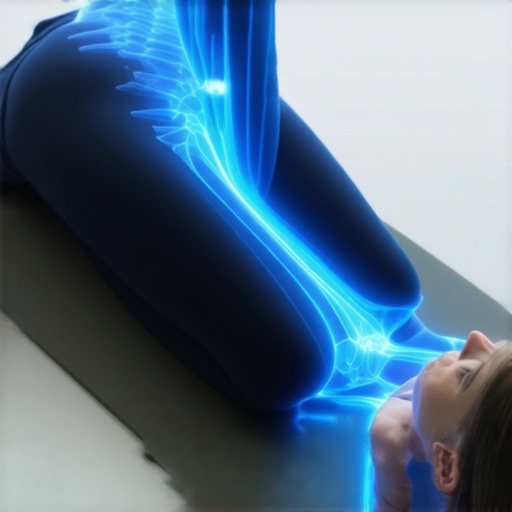
The ‘Pallof Press’ for real-world spinal protection
I remember the moment vividly—aching neck, stiff back, feeling like my spine had betrayed me after a long day of work and workouts. It struck me how often I ignored the warning signs until, one day, I couldn’t get out of bed without wincing. That lightbulb moment led me down a path to discover crucial exercises that protect and strengthen my spine—like the Pallof Press. Have you ever experienced that overwhelming feeling that your back or neck might give out at any moment? Well, you’re not alone. Many of us push through discomfort, thinking it’s just part of aging or busy lives, but the truth is, proper movement patterns can make all the difference.
Why Protecting Your Spine is More Critical Than Ever
Spinal health isn’t just about avoiding pain; it’s the foundation of your mobility, strength, and daily comfort. We often overlook how integrally our core and stabilization exercises impact our back and neck health. A weak or overly strained core can lead to imbalances, making everyday activities risky—lifting groceries, sitting at the desk, even turning your head to check traffic.
One exercise that I now swear by is the Pallof Press. It’s a simple yet potent move, especially when incorporating it into your routine, for protecting your spine from surprises, like sudden twists or strains. Unlike traditional crunches or sit-ups, which can load your spine unevenly, the Pallof press promotes anti-rotation stabilization. This means your muscles work to keep your posture upright and safe, resisting unwanted movements.
By strengthening these muscles, I’ve managed to keep my back from flaring up unexpectedly. Plus, it’s been a game-changer during recovery—I’ve seen visible improvements in post-injury mobility and pain reduction, especially when I pair it with expert tips shared by chiropractors on [restoring back and neck comfort](https://quackersspinal.com/mastering-back-neck-pain-relief-tips-from-the-pros-300).
Now, I want to share my step-by-step experience with the Pallof Press and how it can become your go-to move for resilient, pain-free movement. Stick around, because the next section will walk you through how to perform the exercise safely and effectively. Let’s move towards a stronger, safer spine. Have you tried anti-rotational exercises before, or is this a new concept for you? Drop a comment below—I’d love to hear your experiences.
Feet Firmly on the Ground
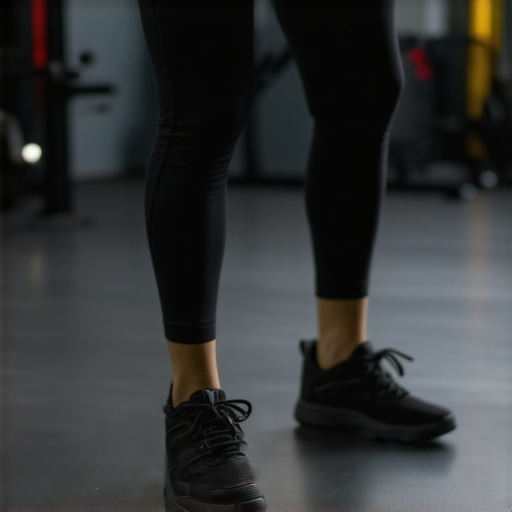
Begin by standing with your feet shoulder-width apart, distributing your weight evenly. Imagine you’re rooted like a sturdy tree—this stability is crucial for balance and control during the exercise. I remember once trying the Pallof press on one foot, which caused me to wobble—highlighting the importance of starting with a solid base.
Engage Your Core Gently
Activate your abdominal muscles softly, pulling your belly button inward without holding your breath. Think of your core as a belt anchoring your spine; an engaged core acts like a brace, preventing unwanted twists or shifts during movement. I learned this while practicing in front of a mirror, noticing how a slight tighten stabilized my entire posture.
Attach the Resistance Band Correctly
Secure a resistance band to a sturdy anchor at chest level. Hold the band with both hands, keeping your arms extended in front of you. Ensure there’s tension in the band before starting—this creates resistance to anti-rotation. During my first attempts, I unintentionally used a slack band, which reduced effectiveness; maintaining tension is key.
Perform the Anti-Rotation Press
Step away from the anchor point to create enough tension. Press the band straight out in front of your chest, keeping your arms extended, and resist the urge to twist or lean—similar to pushing against an immovable object. Imagine trying to hold a heavy object steady in front of you; your muscles work to prevent any rotation. I once wobbled during this move, but gradually, my muscles learned to stabilize better.
Hold and Control
Pause for 2-3 seconds at the extension, maintaining tension, then slowly bring your hands back. Focus on slow, controlled movements rather than speed. When I incorporated this control, I felt my oblique muscles activate, providing resilient support for daily activities.
Repeat and Gradually Increase Resistance
Perform 2-3 sets of 10-15 repetitions on each side. As your strength improves, increase the band’s resistance or the duration of the hold. Remember, consistency is vital—just as I stuck to my routine, regular practice yields lasting benefits.
Integrate into Your Routine
Work this exercise 3-4 times per week, coupling it with other mobility drills. Over time, I noticed a significant decrease in unexpected back strains, allowing me to lift with confidence. For more detailed guidance on back pain recovery, check out this comprehensive resource.
Key Tips for Success
- Maintain a slight bend in your knees if needed to keep balance.
- Keep your shoulders relaxed and away from your ears.
- Avoid overextending or leaning backward during the press.
By mastering these steps, you’re not just strengthening muscles—you’re building a robust shield around your spine. Remember, proper technique beats rushing; focus on quality over quantity to ensure safety and effectiveness.
Many people believe that seeing a chiropractor is only necessary when pain becomes unbearable, but this is a misconception. In reality, proactive chiropractic care can enhance mobility and prevent issues before they escalate. Some think that chiropractic adjustments are the sole solution for back and neck pain, yet neglecting movement habits and core stability often undermines long-term health. A common mistake is assuming that pain indicates permanent damage—however, most discomfort stems from temporary muscle imbalances or joint restrictions that respond well to early intervention. Additionally, many overlook the importance of understanding the nuanced relationship between spinal health and overall mobility; for example, poor posture habits or repetitive strain can subtly worsen issues over time, even without overt pain.
Contrary to popular belief, not all chiropractic treatments involve cracking or quick fixes. Evidence suggests that integrating soft tissue work, ergonomic advice, and targeted exercises yields better results for sustained relief. Beware of the trap that you must avoid aggressive, high-velocity manipulations if your body shows signs of instability; gentle, controlled approaches often provide safer and more effective outcomes, especially for those with pre-existing conditions.
Advanced practitioners understand that the true key lies in addressing the interconnectedness of posture, muscle function, and movement patterns. For example, a study published in the Journal of Manual & Manipulative Therapy indicates that combining chiropractic adjustments with specific mobility exercises significantly reduces chronic neck pain better than adjustments alone. So, the takeaway: healing is a holistic process—overlooking core stability or movement quality can lead to recurrent issues.
Before you book your next session, ask yourself whether you’ve been focusing solely on symptom masking or truly addressing root causes. Developing awareness of these nuances can save you time, money, and unnecessary discomfort in the future.
Have you ever fallen into this trap? Let me know in the comments. To learn more about optimizing spinal health, you might explore our article on [how chiropractic care can boost mobility](https://quackersspinal.com/boost-mobility-ease-pain-chiropractic-techniques-unveiled) that dives into integrative approaches beyond just adjustments.Maintaining your spine’s health over time requires more than just occasional exercises; it involves choosing the right tools and techniques that integrate seamlessly into your daily routine. One of the most effective investments I’ve made is a high-quality foam roller. I personally use the 36-inch PVC foam roller with a textured surface, which allows me to target my mid-back knots and release tension without aggravating my muscles. Foam rolling helps improve tissue quality, increase circulation, and prepare my body before mobility drills, acting as a preventative measure against stiffness and pain. Additionally, I recommend a Theraband resistance band for anti-rotation exercises like the Pallof Press, as it provides adjustable resistance, enabling consistent progression as your core strength improves. I prefer Therabands over free weights for stabilization because they simulate functional movements and allow for safe, controlled engagement of deep stabilizers—crucial for spinal resilience. For tracking progress, I use a digital app like MyFitnessPal to log daily mobility and posture habits, which keeps me accountable and enables gradual improvements. Looking ahead, I predict that wearable technology, such as posture sensors and biofeedback devices, will become more sophisticated, offering real-time correction cues and personalized training programs that adapt to your progress. How do I maintain my tools and ensure lasting results? Regular maintenance is key. I clean my foam roller with gentle disinfectant once a week to prevent bacteria buildup, and I inspect resistance bands for signs of wear, replacing them as needed to avoid injury. When integrating these tools, consistency matters the most—dedicating just 10 minutes daily to rolling and stabilization exercises keeps my mobility optimal and pain-free. If you’re committed to long-term spinal health, start with a quality foam roller and resistance band, and incorporate simple tracking—these small steps can lead to big improvements. To deepen your understanding, I recommend reading the detailed strategies in our article on [revitalizing your mobility](https://quackersspinal.com/revitalize-your-mobility-proven-strategies-for-back-pain-relief), which covers essential routines and tools designed to prevent setbacks. Remember, investing in the right tools and maintaining their care is what sustains your progress and prevents setbacks. Try incorporating a foam roller session into your morning routine tomorrow—your back will thank you!
Lessons That Changed How I Approach Back and Neck Health
One of the most surprising realizations I’ve had is that progress often comes from tiny, consistent efforts rather than massive overhauls. I once believed that quick fixes or aggressive workouts were the answer, but I learned the value of patience and precision through trial and error. The hard truth is that understanding your body’s subtle signals and respecting them is the key to lasting spinal health. Honestly, when I finally embraced a sustainable routine of anti-rotation exercises like the Pallof press, I saw not just relief, but a transformation in my confidence during daily movements.
Second, I discovered that our daily habits—posture at the desk, sleeping positions, even how we carry groceries—play an outsized role in pain prevention. Small tweaks, like adjusting chair height or adding a lumbar roll, compounded over time into massive improvements. Most importantly, listening to experienced professionals and integrating their insights opened my eyes to the real depth of spinal resilience.
Tools and Tricks That Truly Make a Difference
My go-to resources are rooted in evidence and real-world practice. First, a high-quality foam roller has been invaluable—using it before mobility drills warms up tissues and prevents injury. I trust chiropractic-backed techniques because they combine manual therapy with functional exercises, creating a holistic approach. Additionally, resistance bands like Therabands allow me to progress gradually and safely, igniting deeper stabilizer muscles essential for spinal health. For ongoing motivation and tracking, I’ve found that dedicated apps help me stay accountable, reinforcing the importance of consistency.
Looking ahead, I believe wearable posture sensors will revolutionize self-care, providing instant feedback that helps you correct your posture dynamically. It’s exciting to think about the accessibility of such technology, making expert-level care a daily, personal practice. To deepen your understanding, exploring our comprehensive guide on mobility can supply you with tools for long-term resilience.
Embrace Your Journey Toward a Pain-Free Spine
Your spine is resilient, and with mindful effort, you can protect and strengthen it for years to come. Remember, every small step—whether it’s proper exercise or better ergonomic habits—contributes to a healthier, happier you. Start today, and soon, these routines will become second nature, empowering you to live without fear of back or neck pain. What’s one change you’re ready to make that could dramatically improve your spinal health? Share your thoughts below—I’d love to hear your journey towards a stronger, more resilient spine.