How to set up your home office for less than fifty dollars
It was a morning just like any other, but as I sat at my makeshift desk, a sharp twinge shot through my neck and down my back. I clenched my fists, realizing I’d fallen into the trap of cheap, makeshift setups that cost next to nothing but left me paying the price in pain and lost productivity. That moment was my lightbulb—if I was going to create a home workspace that didn’t wreck my body, I needed to rethink my approach without breaking the bank.
Why Setting Up a Comfortable Home Office Matters More Than Ever
If you’ve ever experienced a dull ache in your neck after a long day at your laptop, you know how disruptive and exhausting it can be. I used to dismiss those aches as just part of working from home, but I learned the hard way that poor posture and subpar setups can seriously impact your health. The good news? You don’t need to spend a fortune to make impactful changes. With a little creativity and some simple tools, you can craft a workspace that promotes better posture and alleviates discomfort.
Studies have shown that ergonomic mistakes in your home office setup can increase the risk of neck and back pain by up to 60% (source: [Quackers Spinal](https://quackersspinal.com/neck-back-pain-solutions-insights-from-wellness-experts)). I’ve been there—initially, I made the mistake of believing that comfort required expensive equipment. Spoiler alert: It’s not true. Starting with the right mindset and a few inexpensive adjustments can make all the difference.
Are you tired of ending your workday with a stiff neck and sore shoulders? If so, you’re not alone, and I’ve got good news. Today, I’ll share how I transformed my cramped, budget setup into a pain-free workspace for less than fifty dollars. Trust me—if I can do it without blowing my paycheck, so can you.
Let’s dive into the practical, budget-friendly hacks that will turn your workspace into a haven of comfort and productivity. Ready to ditch the pain and embrace a smarter way to work from home? I’ve got just the tips to get you started.
Adjust Your Screen and Sitting Position
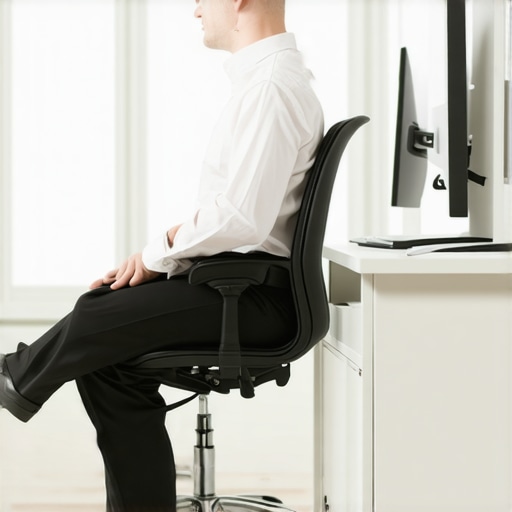
First, set your monitor at eye level to prevent bending your neck forward. Use a stack of books or a sturdy stand if needed. Sit back fully in your chair, ensuring your lower back is supported. Think of your spine as a stack of blocks; keeping each aligned avoids unnecessary strain. I once used a hardcover textbook under my laptop to elevate the screen, which immediately reduced my neck tension.
Use Do-It-Yourself Lumbar Support
Place a rolled towel or a small pillow behind your lower back in your chair. This acts like a natural lumbar curve support, helping maintain proper posture. During a rough day, I rolled a sock tightly and wedged it in the chair’s lumbar area; the relief was instant, and I could sit longer without pain. This simple tweak prevents your pelvis from tilting forward, which can pull on back muscles.
Keep Moving with Micro-Stretches
Every 30 minutes, perform gentle neck and back stretches. Tilt your head side to side to stretch neck muscles and do thoracic rotations to loosen upper back tightness. Incorporate quick movements like shoulder rolls or chin tucks. I set a timer to remind myself, and each mini-session prevented soreness. Think of your muscles as rubber bands—regular gentle stretching keeps them flexible and less prone to ache.
Implement Micro-Posture Checks
Set alarms or reminders to check your posture. Sit tall, engage your core, and pull your shoulders back subtly. Maintaining awareness helps prevent habitual slouching that strains your cervical and thoracic spine. I found that every time I paused to correct my seating, my discomfort decreased significantly. It’s like giving your spine a quick reset, similar to rebooting a slightly lagging computer.
Optimize Your Workspace Budget-Friendly Ways
Use household items—like a stack of books or a box—to raise your keyboard or mouse to wrist level. Keeping your wrists straight reduces strain and prevents nerve compression. During my setup, I used a sturdy box for my keyboard position, which eliminated wrist fatigue. Remember, small adjustments like this can make your entire workday more comfortable, much like tuning a guitar string improves sound quality.
Incorporate Breathing and Relaxation Techniques
Practice deep diaphragmatic breathing to reduce muscle tension. Breathe in slowly through your nose, expanding your belly, then exhale fully. This reduces overall stress and relaxes tense muscles around your neck and shoulders. I integrated a few deep breaths at my desk, which eased persistent headache tension. It’s comparable to releasing air from a balloon—letting go of built-up tension restores internal balance.
Leverage Online Resources for Expert Tips
Visit reputable sites like mastering back and neck pain relief tips to learn quick exercises tailored to your needs. Regularly applying these techniques is like having a personal chiropractor guiding you from afar. For instance, daily practice of specific mobility drills can dramatically improve your posture and reduce discomfort over time, much like tuning a car engine for smoother performance.
Remember, consistency is key. Small, deliberate adjustments and regular movement prevent your workspace from becoming a pain-inducing zone. With patience and some ingenuity, you can turn your home setup into a refuge of health and productivity without breaking the bank.
Many people believe that persistent neck and back pain are simply signs of aging or poor posture, but that’s a misconception that can hinder effective treatment. A widespread myth is that all chiropractors focus solely on cracking bones; however, modern chiropractic emphasizes holistic approaches, including soft tissue therapy and lifestyle modifications, which can offer long-term relief.
Why do some advanced patients still struggle despite seeking treatment?
Expert insights reveal that addressing only symptoms without understanding underlying biomechanical issues often leads to frustration. For instance, muscle imbalances and joint restrictions can perpetuate pain cycles if not properly diagnosed and managed. Research from leading wellness authorities indicates that structural corrections combined with mobility exercises significantly improve outcomes, underscoring the importance of a comprehensive approach instead of isolated adjustments.
Another common trap is assuming that pain will resolve on its own over time. This passive attitude can cause chronic issues to become ingrained, making future recovery more complex. Staying proactive with tailored exercises and seeking expert consultation—like visiting professional methods for relief—can prevent minor discomforts from escalating into debilitating conditions.
Many think that mobility exercises are only for athletes or those recovering from injury, but maintaining joint flexibility is crucial for everyone. Neglecting mobility can lead to stiffness that aggravates pain and limits daily function. Incorporate simple, effective stretches, and consider consulting with specialists to optimize your movement patterns, as detailed in chiropractic mobility techniques.
In summary, understanding the nuances of neck and back pain involves recognizing that factors such as muscle imbalances, joint restrictions, and lifestyle habits play vital roles. Uncovering these hidden elements can be the difference between temporary relief and lasting health. Have you ever fallen into this trap? Let me know in the comments, and consider seeking tailored advice to address the root causes rather than just the symptoms.Maintaining the progress you’ve made in alleviating neck and back pain requires dedicated tools and consistent routines. I personally swear by a few key pieces of equipment that keep my mobility high and discomfort at bay. One essential tool is a high-density foam roller, which I use daily to release tension in my thoracic and lower back regions. Unlike standard rollers, my preferred model features a textured surface that provides targeted pressure, helping me break down adhesions and improve my mobility. Incorporating this into my daily routine has significantly reduced stiffness and prevented flare-ups.
Another indispensable item is a portable percussion massager. I rely on mine for deep tissue therapy right at my desk or on the go. This device delivers precise percussive strikes that penetrate muscle knots and tight spots, saving me from the expensive and time-consuming visits to a chiropractor for minor flare-ups. Its adjustable intensity allows me to tailor the therapy to my needs, and using it regularly has maintained my muscle flexibility and prevented chronic tightness.
Regarding software, I recommend mobility tracking apps that prompt you to perform gentle stretches and posture checks throughout the day. One app I use provides guided exercises backed by chiropractic research, ensuring you’re doing movements that promote spinal health. Consistency with these prompts keeps me aware of my posture and encourages micro-movements that combat long periods of sitting. This approach aligns with evidence from well-being studies showing that short, frequent activity breaks enhance spinal health and reduce pain.
Looking to the future, I predict that wearable technology will become more sophisticated, offering real-time posture correction and muscle monitoring. Devices that vibrate gently when you slouch or overstrain could revolutionize long-term maintenance by providing instant feedback, much like a personal trainer guiding your habits.
How do I maintain these improvements over time? The key lies in integrating effective tools into a daily routine—making it habitual rather than occasional. Regular use of my foam roller and massager, coupled with app-guided stretches, establishes a proactive approach, preventing pain from rearing its head. Also, scheduling quarterly check-ins with a chiropractor or physical therapist—even for maintenance—is invaluable. They can assess underlying issues that might silently develop and tweak your routines accordingly.
For instance, I recently consulted an expert at Quackers Spinal who recommended a specific mobility drill to invigorate my thoracic spine. Implementing this simple yet effective technique, which I now do daily, has kept my posture aligned and pain-free. To get started, try incorporating one of these advanced tips today: use a textured foam roller to target stubborn tension areas. Small investments like this can pay dividends in your long-term spinal health.
The Hidden Lessons that Changed Everything About My Neck Pain Journey
One of the biggest realizations I uncovered was understanding that consistent small habits outperform occasional big efforts. Being diligent with micro-movements and posture checks made a profound difference in my comfort levels.
I also learned that investing in targeted tools—like foam rollers or ergonomic staples—doesn’t mean draining your bank account. Simple household items can become powerful allies in your quest for pain-free mobility.
Lastly, I discovered that knowledge isn’t static. Staying curious and seeking out preventative strategies from trusted sources can turn a reactive approach into proactive wellbeing, ensuring lasting relief.
My Must-Have Resources for Lasting Chiropractic and Mobility Success
- Quackers Spinal website: The comprehensive hub for expert tips on managing neck and back pain, offering everything from mobility exercises to lifestyle modifications you can trust.
- Mobility tracking apps: These tools helped me stay aware of my posture throughout the day and reminded me to take those crucial micro-movements—making a measurable difference in my daily comfort.
- Foam rollers with textured surfaces: An inexpensive yet effective device that I use daily to release tension and improve my spinal flexibility. It’s a game-changer for anyone serious about pain prevention.
- Deep diaphragmatic breathing techniques: Practicing intentional breath work reduced my overall tension and stress—powerful allies against chronic pain cycles.
Your Next Step Toward Pain-Free Living Starts Today
Remember, the journey to a healthier neck and back isn’t about quick fixes—it’s about consistent, small improvements that build up over time. Incorporating these insights and tools into your routine can empower you to regain mobility and comfort, no matter your starting point. Don’t let pain define your day; take actionable steps now to transform your workspace and your well-being.
What’s one simple change you’re willing to try today to improve your neck or back health? Share your plan below and let’s support each other in this journey towards lasting relief!