How to Sit in a Bucket Seat Without Sciatica Pain
Ever felt that sharp, stabbing pain radiating down your leg just as you settle into your car seat? I remember the first time it hit me. One moment I was easing into my bucket seat, feeling confident—only to be jolted by a wave of discomfort that left me limping and frustrated. That moment was a real eye-opener. Sitting comfortably isn’t just about convenience; it’s about safeguarding your well-being. Most of us underestimate how improper seated posture can trigger or worsen sciatica and back pain. But here’s the truth: tiny tweaks can make a huge difference in how your body responds to those long drives or workday hours. Today, I want to share what I’ve learned about sitting in a bucket seat without suffering from sciatic pain. I’ll walk you through simple, effective strategies to keep your spine happy and pain-free, so you don’t feel trapped by discomfort every time you get behind the wheel.
Why a Bad Seat-Posture Connection Is a Hidden Trouble
Adjust Your Seating Position for Immediate Relief
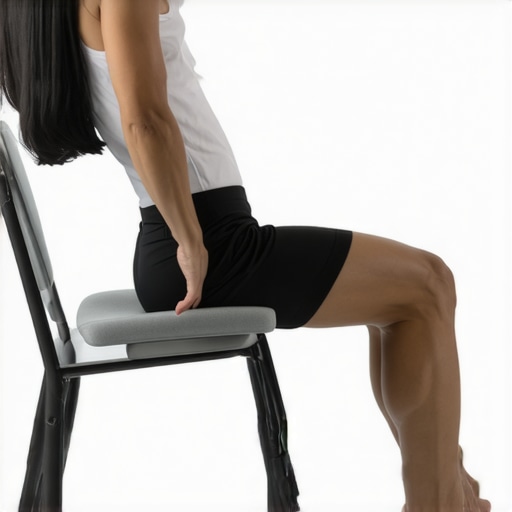
Start by setting your seat to a position where your hips are slightly higher than your knees. Use a lumbar support pillow or a rolled-up towel placed at the small of your back to maintain your natural lumbar curve. I once spent a frustrating afternoon repositioning my seat, experimenting with different pillow thicknesses until I found the sweet spot. The result? Less pressure on my sciatic nerve and the ability to focus on the road without distraction.
Engage Your Core to Stabilize Your Spine
Think of your core muscles as the foundation of a building; a strong base keeps everything stable. Practice a simple technique: before sitting, tighten your abdominal muscles gently as if preparing for a light punch. Hold for a few seconds, then release. Doing this consistently helps reduce lumbar strain during prolonged sitting and prevents your spine from slumping into harmful positions. I incorporated this habit during my long drives, noticing a significant decrease in lower back discomfort after just a few days.
Practice Micro-Movements to Avoid Stiffness
Locking yourself into a fixed position can compress nerves over time. Instead, incorporate small, frequent shifts. For instance, rotate your hips slightly side to side or alternate weight between your sit bones. This mimics the natural movement your body craves and keeps the muscles energized. I experimented with this strategy during a 4-hour road trip; initially, I felt awkward, but soon I was tilting my pelvis subtly, which eased tension and improved blood flow.
Set Up Your Mirrors and Headrest Correctly
Adjust your rearview mirror so you have a clear view without craning your neck. Your headrest should support the back of your head without pushing it forward or causing extension. Imagine your neck as a stack of blocks; keep it aligned like a well-built tower. During a recent adjustment, I realized my head was forward by two inches, causing neck strain. Repositioning the headrest brought immediate relief and better posture during my commutes.
Incorporate Regular Breaks to Reset Your Posture
Every 30 to 45 minutes, stop and stand briefly. Walk around, stretch your legs, and perform gentle spinal twists. This interrupts the static load on your lumbar and piriformis muscles, reducing sciatic irritation. I started setting an alarm to remind myself during long trips, which made a noticeable difference in maintaining comfort over hours of driving.
Leverage Chiropractic Techniques for Lasting Relief
If you find persistent discomfort, consult a chiropractor who can perform targeted adjustments, especially focusing on your pelvis and lumbar spine. Techniques such as spinal mobilization or soft tissue therapy can enhance your body’s ability to support prolonged sitting. I personally experienced relief after a session, where a chiropractor corrected a pelvic misalignment that was exacerbating my sciatic symptoms. Find more insights on how chiropractic care can benefit you at this resource.
Many individuals assume that simply stretching more or visiting a chiropractor regularly guarantees long-term relief from back and neck pain, but the reality is far more nuanced. A common misconception is that mobility issues are purely due to muscle tightness; however, joint restrictions, nerve sensitivities, and even psychological factors can play significant roles. For instance, some patients focus exclusively on soft tissue work, neglecting the importance of restoring proper joint mechanics—a mistake that can undermine progress if not addressed with a comprehensive approach, as explained in proven strategies for back pain relief. It’s also a myth that all pain originates from muscle strain; often, nerve involvement or subtle spinal misalignments are the culprits, which chiropractor adjustments can effectively resolve, according to recent research in Spine Journal.
One trap to avoid is over-relying on passive treatments, such as frequent chiropractic visits, without incorporating active rehabilitation and movement education. These passive approaches can create dependency, delaying the body’s natural ability to heal and adapt. The key lies in understanding that true mobility restoration involves active engagement—strengthening stabilizers, improving neural control, and promoting tissue resilience. For advanced cases, misperceptions around the necessity of aggressive manipulation can also be problematic; gentle, targeted adjustments combined with movement therapy often yield better, longer-lasting results.
A question that even experienced practitioners ask is: How do I differentiate between temporary relief and sustainable change? The answer is subtle but crucial. Temporary relief might be achieved through aggressive spinal manipulations, but true, lasting improvement depends on addressing underlying patterns—posture, movement habits, and compensatory behaviors—that perpetuate pain. This is why integrating chiropractic care with customized mobility exercises and ergonomic education is fundamental, as detailed at holistic solutions from wellness experts.
Always remember, misconceptions can lead to ineffective or even harmful interventions, especially if they delay seeking comprehensive, multi-faceted treatment. For example, many believe that “more is better” when it comes to stretching, but overstretching can destabilize tissues, making pain worse. Instead, focus on controlled, posture-conscious movements that enhance both mobility and stability. If you’re interested in digging deeper into effective strategies, visit these expert techniques.
Have you ever fallen into this trap? Let me know in the comments. Staying informed and critically evaluating your approach is vital on your path to pain-free movement.
How do I maintain my progress over the long term?
Keeping your body responsive and pain-free requires the right tools paired with consistent routines. I personally rely on a combination of ergonomic devices and evidence-based practices to ensure lasting results. One essential item I recommend is a high-quality lumbar support pillow designed specifically for car seats. Unlike generic cushions, those tailored for lumbar curvature provide targeted support that aligns your spine during long drives, preventing slouching and nerve compression. I use a memory foam version with adjustable firmness, which molds to my back and remains comfortable even after hours on the road.
In addition to physical tools, I leverage mobility tracking apps like these expert-recommended apps to monitor my posture and movement habits throughout the day. These digital supports serve as gentle reminders to adjust my position or take breaks, integrating seamlessly into a busy schedule. As technology advances, I predict that smart wearable devices incorporating real-time feedback on spinal alignment will become mainstream—helping users correct postural issues proactively.
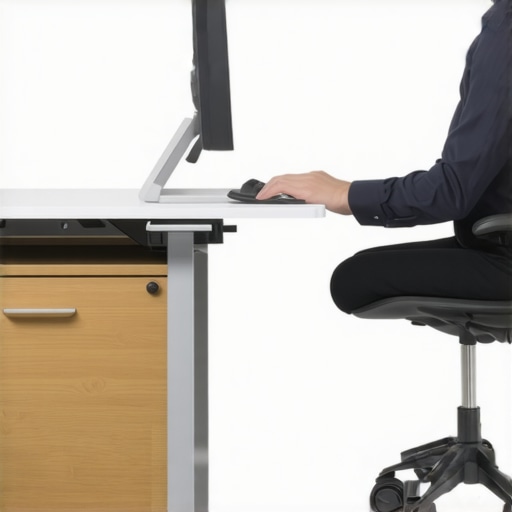
Another game-changer is investing in an adjustable sit-stand desk. Switching between sitting and standing reduces static load on your spinal discs and muscles, significantly decreasing discomfort over time. When I transitioned to a sit-stand setup, I observed a remarkable reduction in neck and back stiffness. Remember, the key is not just the equipment but also how you use it; I recommend setting timers to remind yourself to change positions every 30 minutes.
What about exercises and maintenance routines?
Beyond tools, incorporating targeted exercises can reinforce your mobility. Practices like the pelvic tilt, core strengthening routines, and gentle thoracic mobility drills have been vital. I often perform the proven strategies for back pain relief daily, which help maintain flexibility and stability, especially after longer periods of restricted movement. Regular self-assessments, like the 30-second posture check, empower me to identify early signs of misalignment and address them proactively.
Looking ahead, I believe the integration of AI-driven posture coaching systems will revolutionize how we sustain mobility. These devices could analyze your movements and offer personalized recommendations, much like having a personal trainer dedicated solely to your spinal health.
How do I keep my tools effective over time?
Maintaining your equipment is just as important as using it. For instance, I make it a point to replace my lumbar pillow every year to prevent degrading support that could negate its benefits. Similarly, routine calibration of digital tools ensures tracking accuracy and effectiveness. Always clean and inspect your ergonomic accessories regularly to prevent dust buildup or wear from diminishing their performance. Consistent use and proper upkeep will maximize their longevity and help you stay pain-free longer.
Finally, don’t forget the power of expert guidance. Consulting with a chiropractor periodically ensures your routines and tools stay aligned with your evolving needs. They can provide personalized adjustments and recommendations, such as fine-tuning your mobility plan or suggesting new techniques as you progress. Regular check-ins, combined with your own diligent maintenance, pave the way for sustained mobility and pain-free living.
Start integrating one of these advanced tools or routines today—perhaps a smart posture sensor or a new sitting position technique—and experience how small changes can lead to significant, long-lasting improvements. Remember, consistency is key, and your body will reward you over time.
Hidden Truths I Discovered About Persistent Pain and Mobility
One of the most eye-opening lessons I learned was that quick fixes often only provide temporary relief, leading me to chase short-term solutions without addressing root causes. I realized that consistent movement and mindful posture habits are what truly matter, especially for maintaining long-term spinal health. Another insight was understanding that the mind plays a significant role—stress and mental tension can amplify physical discomfort, making holistic approaches essential. Lastly, I learned that patience and persistence surpass hurried attempts; progress in mobility and pain relief is often gradual, requiring commitment but rewarding with lasting freedom of movement.
My Go-To Resources for Staying Ahead in Mobility and Pain-Free Living
I’ve found immense value in books like Revitalize Your Mobility which offers proven strategies for back pain relief and practical exercises. The website this resource provides expert tips on managing neck and back discomfort, grounded in scientific research. For tools, I rely on a high-quality lumbar support pillow tailored for car seats, which makes all the difference during long drives. I also use posture-tracking apps like these digital tools to maintain awareness throughout the day. Lastly, consulting periodically with a trusted chiropractor keeps my routines aligned with my evolving needs, ensuring sustained mobility and pain management.
Your Next Step Toward Freedom from Discomfort
The journey to lasting mobility isn’t about perfection but consistent, mindful actions. Whether it’s integrating simple posture tweaks, adopting targeted exercises, or leveraging helpful tools, every small step brings you closer to a pain-free life. Remember, you have the power to improve your spinal health and overall well-being—start today with one new habit or resource. Your future self will thank you for the effort. How will you begin transforming your mobility routine today? Share your plans below—I’d love to hear what step you’re excited to try.